
Why I Was The One
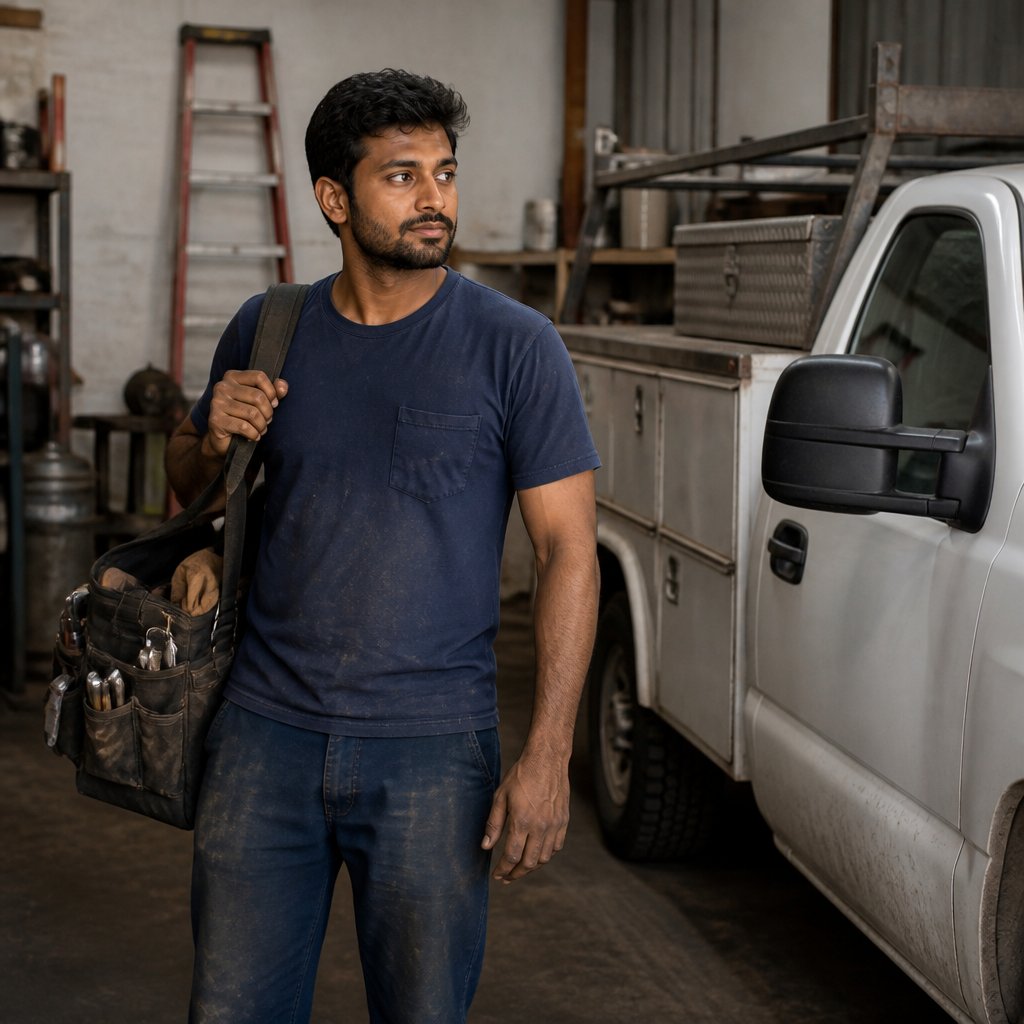
I built my confidence the way I build an electrical panel: tidy, dependable, the thing everyone else trusted would hold. I was a union electrician by weekday, the guy who fixed the generator or tightened a loose ladder at dusk. On the lake I was the ringleader—pushing people toward dives, hauling coolers, sliding the rope for the tube. My friends treated my body like a tool they could borrow, and I treated it like a promise. I could carry a fridge down three flights without a second thought; I could gut a breaker box and not flinch. That’s what made me laugh the first time someone said the water was a little low that afternoon—I’d jumped from places worse than The Shelf. The vibration of my tool bag against my hip is the kind of small constant you learn to trust, the way your hands know the weight of a drill without looking. I remember thinking, then, that my body was fine, that the work hardened me, that the trust was mutual, and that I was the last person who would hesitate when someone shouted for a leap—so when they said not to jump there I simply
The Shelf Everyone Called
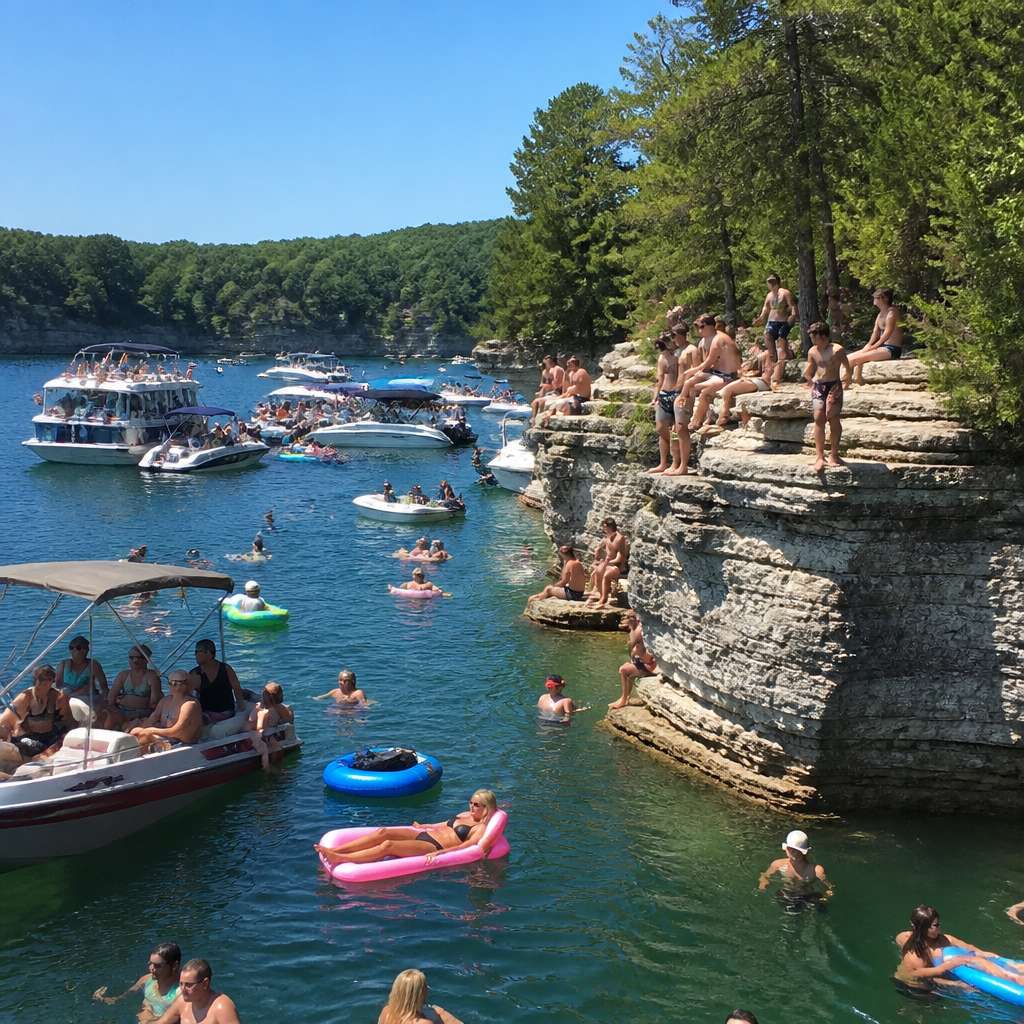
Late July at the reservoir felt like one big shared idea: boats idling, coolers lined up like pews, and The Shelf ahead of us, a limestone lip we all treated like a rite. The cove was crowded—floats tangled, kayaks slotted against a pontoon, people laughing across the water. Outboard motors hummed a steady, lazy note that undercut everything else. I remember the sun on the limestone, the way the rock looked porous and sunbleached, how a group would climb up and sit with their feet dangling like they were on a theater balcony waiting. The Shelf wasn't tall, maybe twelve to fifteen feet where most of us jumped, and because a few guys always went first and cleaned the landing people assumed the rest was safe. Sunscreen and beer and the soft slap of water against hulls made the whole place feel casual, like a defect wasn't possible. The smell of sun-warmed skin and sunscreen felt ordinary. We had names for the spots on the cliff—the corner jump, the flat slab—and people swapped stories about narrow misses like they were proof we knew what we were doing, not warnings, which meant when someone said the lake was down the place felt like a rumor that could be ignored but still
They Mentioned The Water
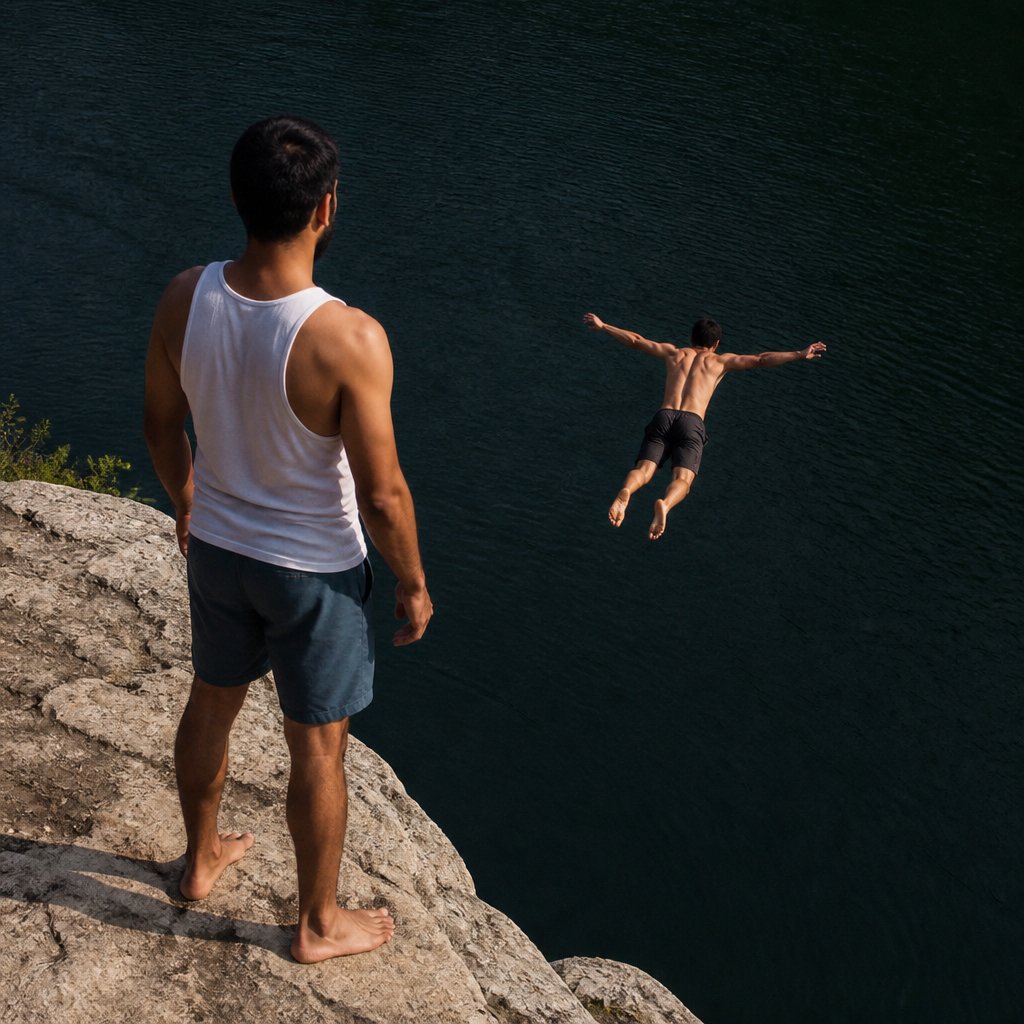
Ravi warned us—he's the tall kid with a sunburned nose and a battered baseball cap who always knows lake trivia—"it's down a few feet," he said, tossing a beer between his hands. Dee, who keeps her dark hair short and wears a rash guard when she jumps, just shrugged and went one at a time off the flat slab, making clean, textbook entries. I watched Dee slip into the air and vanish in a black patch like a coin dropped into a fountain. From above the surface the water looked dark and deep, a glassy mirror except where a motor kicked white foam. That was my evidence: one clean jump. Seeing someone else go and come up unhurt made my mind close the gap between fact and assumption. The sound of water sliding off Dee's shoulders was small and ordinary, and it calmed the tiny voice that had registered Ravi's warning. I took that single clean arc and decided it meant the shelf was safe. I remember thinking I could feel the sun on my arms, solid and ordinary, and deciding right then to go last, which meant the whole idea of not jumping there stopped being a warning and became
I Took The Running Leap

I joked when someone called out, "Don't jump there," and the laugh came out easy because that's what I did—answer jokes with bigger moves. I backed up, felt grit under my shoe, and started my run. The cliff edge has a different texture from the dock—the limestone crumbles under skin if you catch it wrong—and the snap of my sole hitting the rock was the only real rhythm before I left it. The run is a music I know: two long steps, inhale, pop, and launch. There wasn't deliberation; there was motion. Someone's shout blurred into the general noise of engines and laughter, and I committed before anyone could change the idea. In that second I tasted metal in the back of my mouth from exertion, the wind opened up, and the world narrowed to the line of water beneath me. I remember the way the air resisted my forward motion, a low pressure zone that tugged on my shirt. I remember thinking only, for maybe half a second, that I had done this a hundred times, and then that thought was already gone and
The Waterline Was Closer
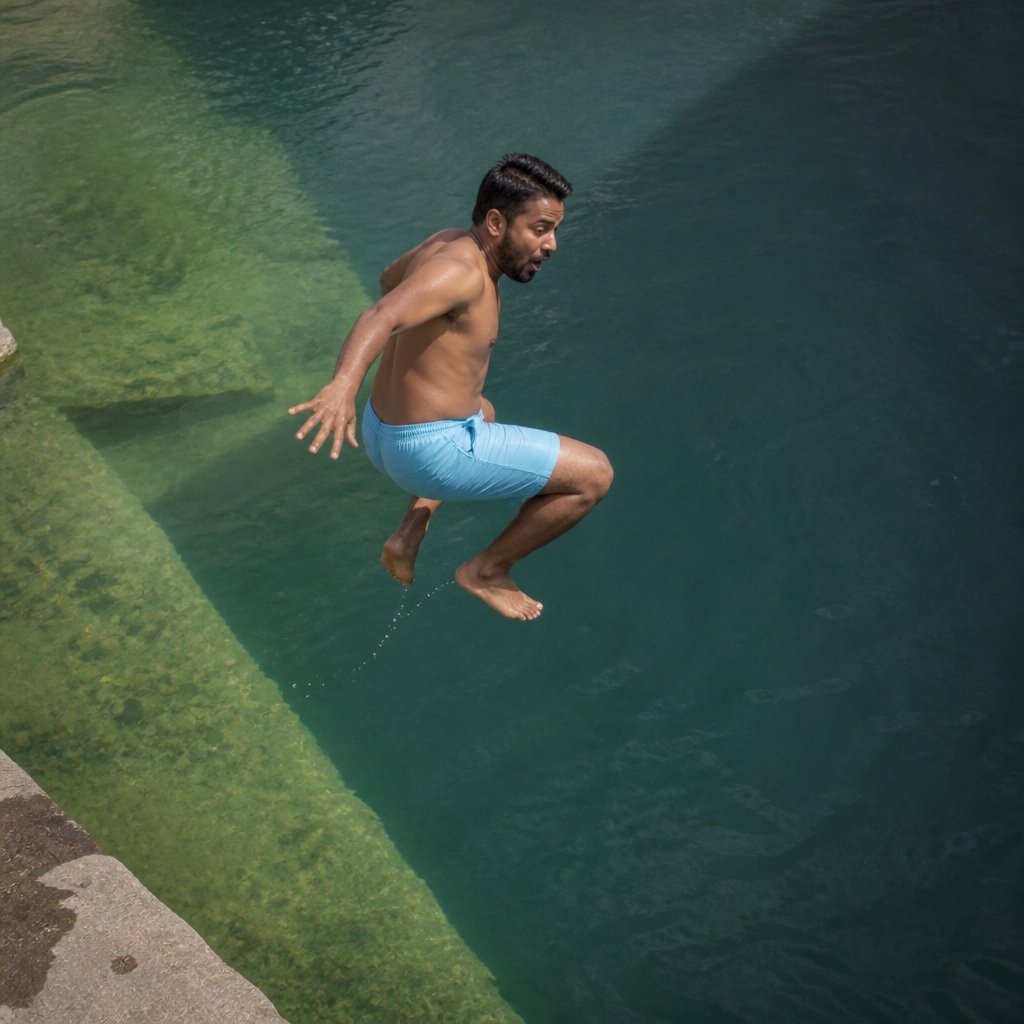
Midair, everything shifted. The arc I expected was a little flatter and the surface was nearer—too near. For the first time I saw the pale edge of a submerged rock like a plate just under the water, a line I couldn't unsee. My stomach dropped in a precise, electric way and the sound around me narrowed to a high, thin note. There was a distance I had meant to cover that I failed to, and the second that opened felt like the world taking in a breath. I remember the water catching light in a different way where the rock lay, scattering the sun and making a bright, unnatural rim around the hazard. Instinct kicked in and I tried to twist, to protect my head, but there's no time to learn new movements while falling. I could feel the air cold against the back of my neck, and that cold stung more because I knew what was coming and couldn't stop it. I had space to regret the joke and not enough time to change the landing, and then the world made the first hard noise of
A Sound Like Dry Wood Snapping

The impact wasn't the smooth plunge I expected. It was a violent stop, a concussion more than a dive, and the first thing I registered was a crack that landed somewhere high and terrible. I heard it like dry wood snapping: a sharp single note that separated before the rest of the noise arrived. The force hit my head and neck first, and then a burning electric line shot down both arms so bright I felt it behind my eyes. My shoulders and chest tried to move and failed to obey, like an old generator that turns and won't start. The world narrowed to that pain and the sound of water slapping close and hard. There was a ringing in my ears that wasn't the lake; it was deeper, mechanical. My mouth tasted of lakeweed and something metallic. For a while I couldn't tell if I was underwater or not, only that something had gone utterly wrong inside me, and the reflex that had always trusted my body became a quiet, stunned question. I kept trying to move my hands to feel for the damage, but they answered with
Everything Went Quiet Except Buzzing
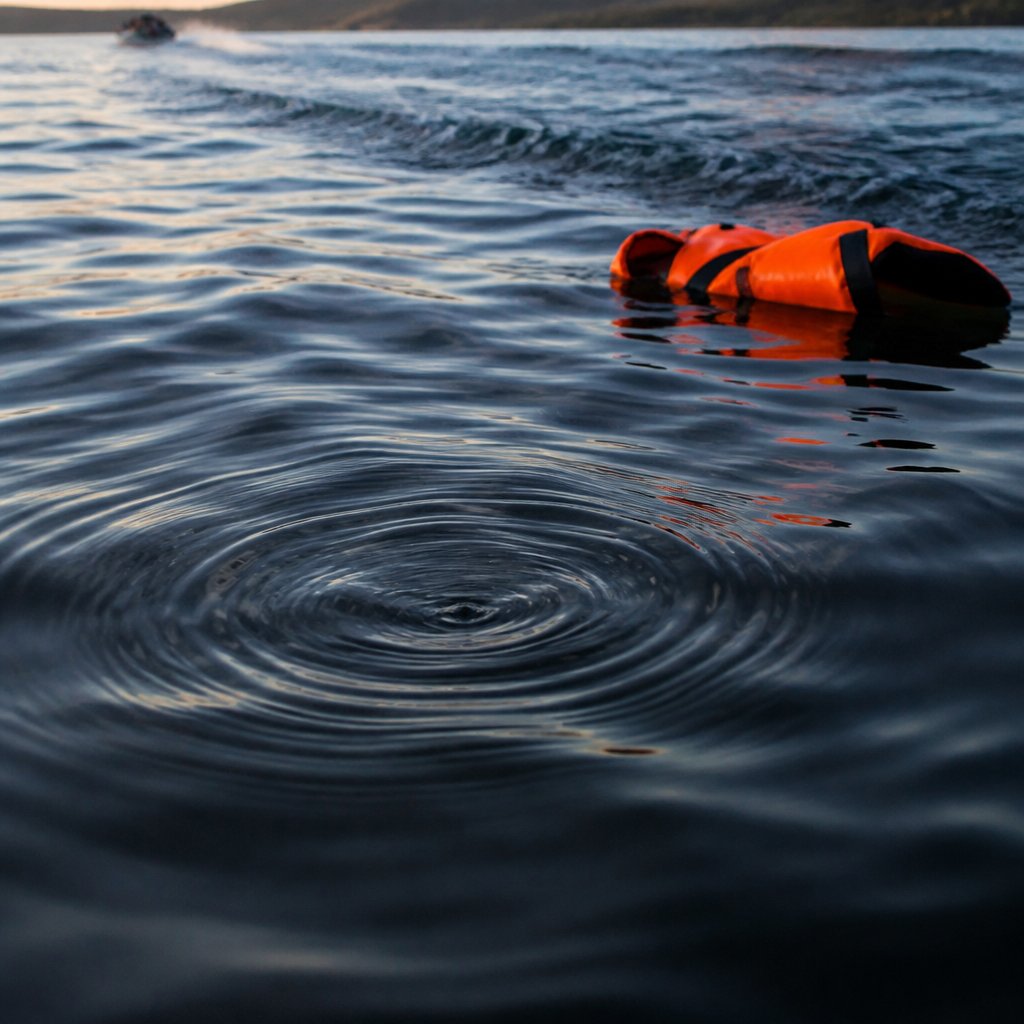
After the hit, it was like someone had pulled the plug on the world except for a thin buzzing that lived behind my skull. The lake's surface became a pale lid and the motor noise and laughter shrank into faraway things. I tried to kick and felt nothing return—my legs were a pair of dead weights. That nothingness was a physical sensation, as if I'd been unplugged at the hips. The surface tension held me in the wrong way; I could feel the chill of the water on my back and the small, almost ridiculous sting of a sunburn on my shoulders. Ripples moved outward from where I hit and the world kept making ordinary sounds on top of the thin buzzing in my head. Someone's lifejacket bobbed nearby, and a boat engine idled somewhere across the cove, its note steady and oddly patient. I kept gathering the idea that I should swim, that I should brace and push, but my body wouldn't comply, and the buzzing didn't stop. Hands were the next thing I noticed in a different register: the slap of palms against water, and then the sudden, solid weight of someone trying to hold me up as
Hands Kept My Face Up
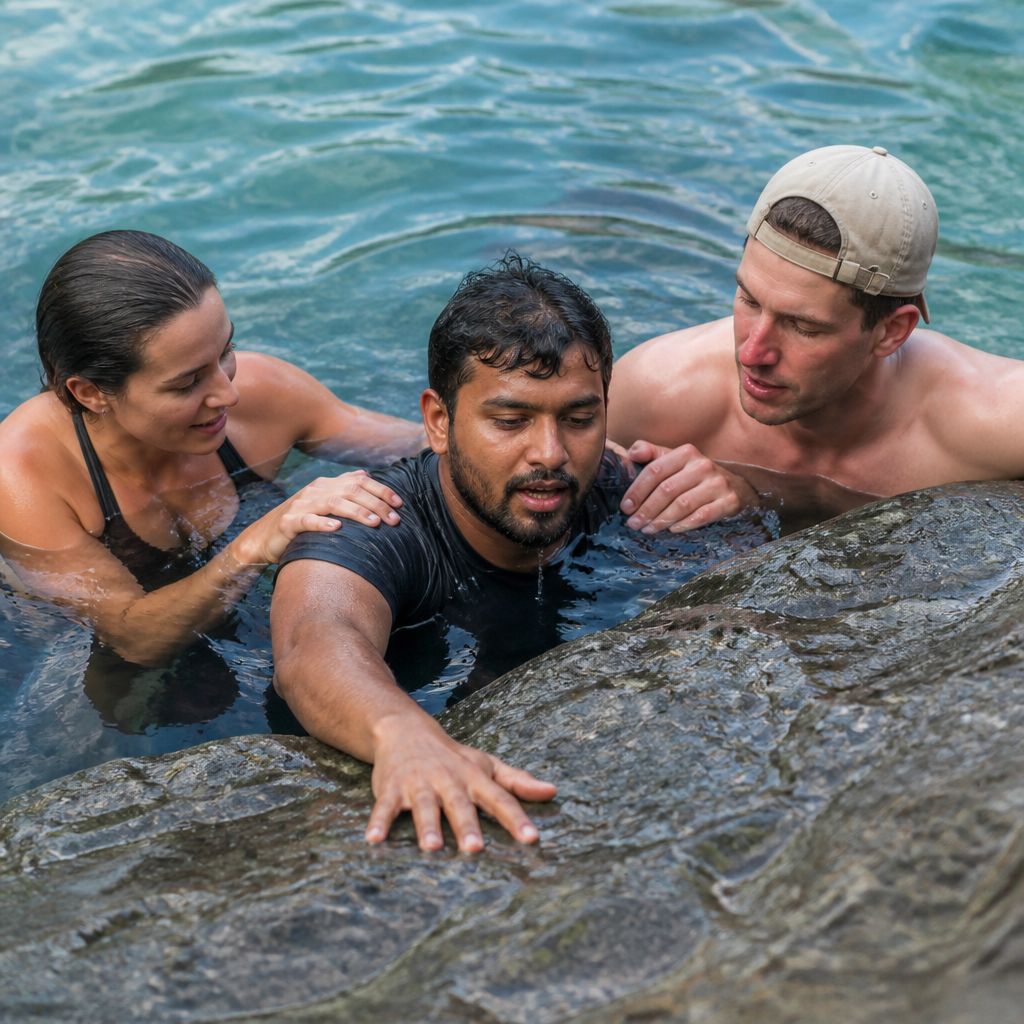
I broke the surface with a mouthful of lake and the sound of people shouting. Two hands grabbed my shoulders hard enough that my skin stung; Dee's palms were flat and steady, her short dark hair wet at the nape, and she kept my face tilted so my mouth stayed above the water. I could hear Ravi's voice clipped and small as he barked orders; he stood on the rock with the cap pushed back and he looked like someone trying to be a surgeon without the words. Voices shouted, "Don't move him," which is the exact phrase that has a weight in it—a weight that suggested what might be broken. I was awake and aware and utterly unable to align intention with action. The tingling that had raced down my arms turned thick and heavy, and cold or shock made my teeth chatter. Somebody was fumbling for the number to call, someone else kept saying to keep me stable, and the sun felt absurdly bright on my face while my limbs refused to respond. Every time I tried to flex a foot or curl a finger it felt like a radio with bad reception, and when I asked if anyone could feel my toes the answer didn't come back in a way that meant
Laid On A Towel In The Sun

They hauled me up onto the rock and laid me on a rough towel in full sun. The limestone was hot under the towel, and the heat felt wrong against the cold pins and needles that replaced feeling in my legs. I stayed awake the whole time, watching the sky and hearing the soft, constant chatter of other people at the cove like the world was a fairground happening at the edge of a crisis. The tingling in my hands thickened into a heavy numbness and then into a buzzing that took up residence in my fingertips. I started to shiver even though the sun was strong—the shudder came from the inside, not from the air. Every time someone touched my legs to check for movement I held my breath like someone waiting to see a fuse light; no one found the spark. Dee kept her hand on my shoulder, fingers steady and warm, and Ravi crouched with his cap off, muttering to himself. The water still hissed against the rock and the smell of sunscreen and lakeweed was sharp. I knew someone had called for help, and knowing that didn't make the waiting any smaller. I lay looking at the bright sky and thinking about how much I couldn't feel in the places that mattered, and then
The Paramedics Went Quiet
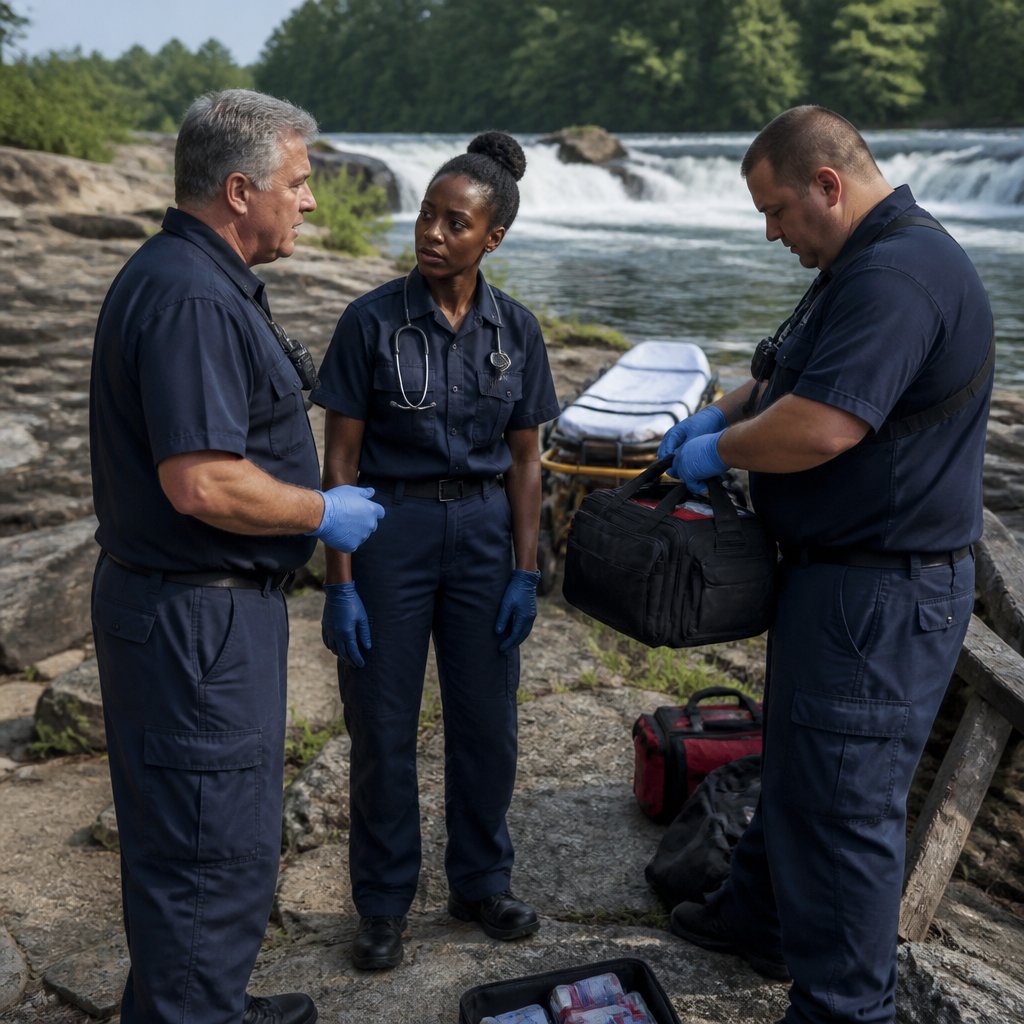
The tone changed when EMS arrived. The people who'd been laughing and shouting stepped back and a small team moved with a focused silence—three of them in dark uniforms, one with an older face who gave quick, low commands. They worked with manual C-spine stabilization, talked through a cervical collar and a long backboard as if rehearsed, and the language they used was precise and spare. I heard the metallic click of equipment being readied and the rustle of straps; the sound felt reverent. Somebody murmured that my blood pressure was low enough to worry them, and that landed in my chest like ice. They asked simple questions and repeated them at intervals I'd later learn was standard: name, year, where I was. The front-line medic's voice was calm but thin at the edges, the kind of voice you hear in emergency rooms when things are serious but controlled. My friends clustered on the periphery, faces white and small in the bright sun, and Dee's hand squeezed mine like she was trying to hold me to myself. I could hear the distant slap of water against hulls and the measured rustle of the EMTs' gear as they prepared to move me, and the next motion felt big and final because it might decide whether my neck stayed lined up or
The CT Room Went Quiet
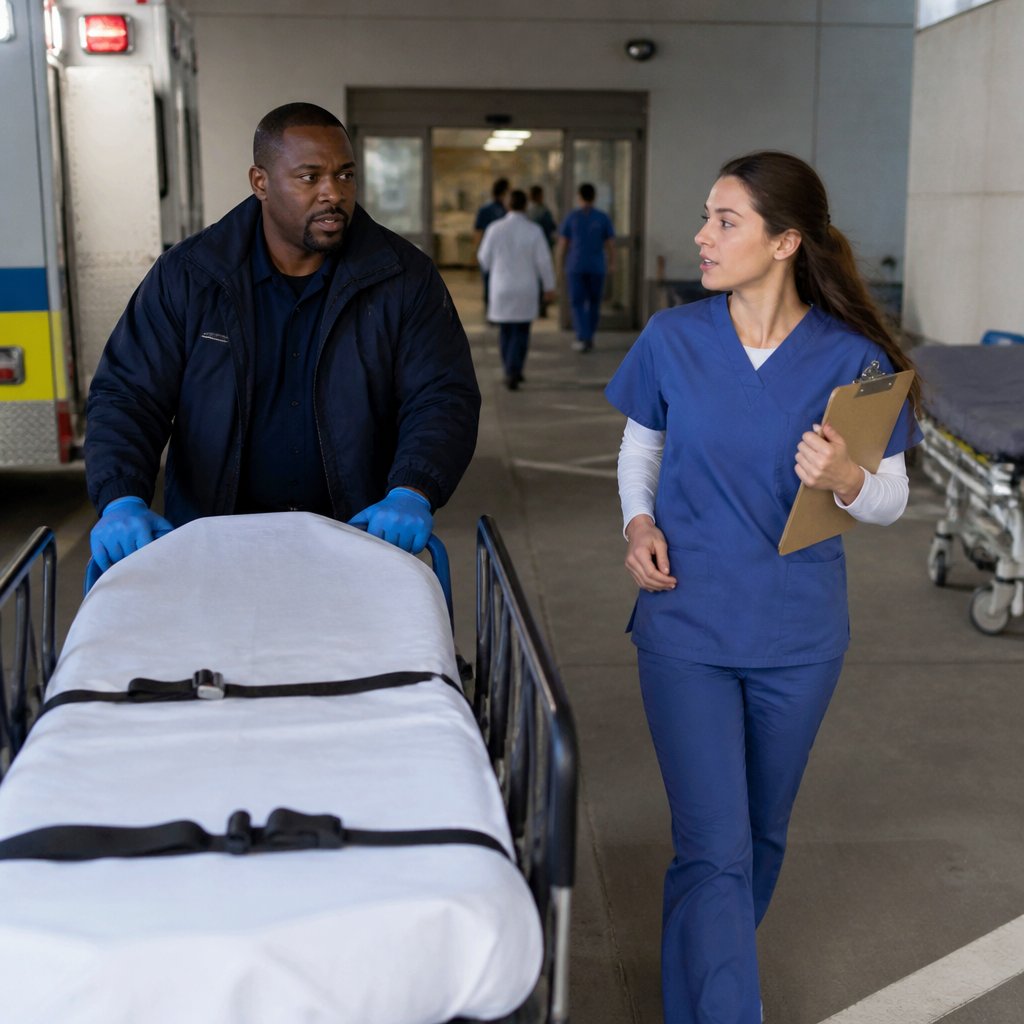
and the next motion felt big and final because it might decide whether my neck stayed lined up or snapped. I hit the water and everything telescoped — my head jerking, air stinging my nose, then a hot, immediate stillness. Paramedics hauled me up onto a stretcher. I remember the rubber of their gloves and the smell of wet earth on my shirt from the cliff. The siren had faded to a dull thump as they drove me to the small community ER where the CT scanner lived.
They slid me into that doughnut machine. I felt the scanner hum and the fluorescent lights buzzing overhead. A tall Black paramedic, mid-40s with close-cropped hair and a navy EMS jacket, stayed at my head and kept a hand on my shoulder. A young ER nurse with long brown hair, hair tied back, held my hand once and then let go when the tech moved me.
The CT ran in clicks and shudders. Afterward the room changed; the tech's chatter died and people started moving with a quieter, sharper purpose. The fluorescent hum turned loud in my ears. No one said anything for a long minute, and then a doctor leaned in and asked the paramedic one sentence that felt like it might decide everything—
The Doctor Said The Words
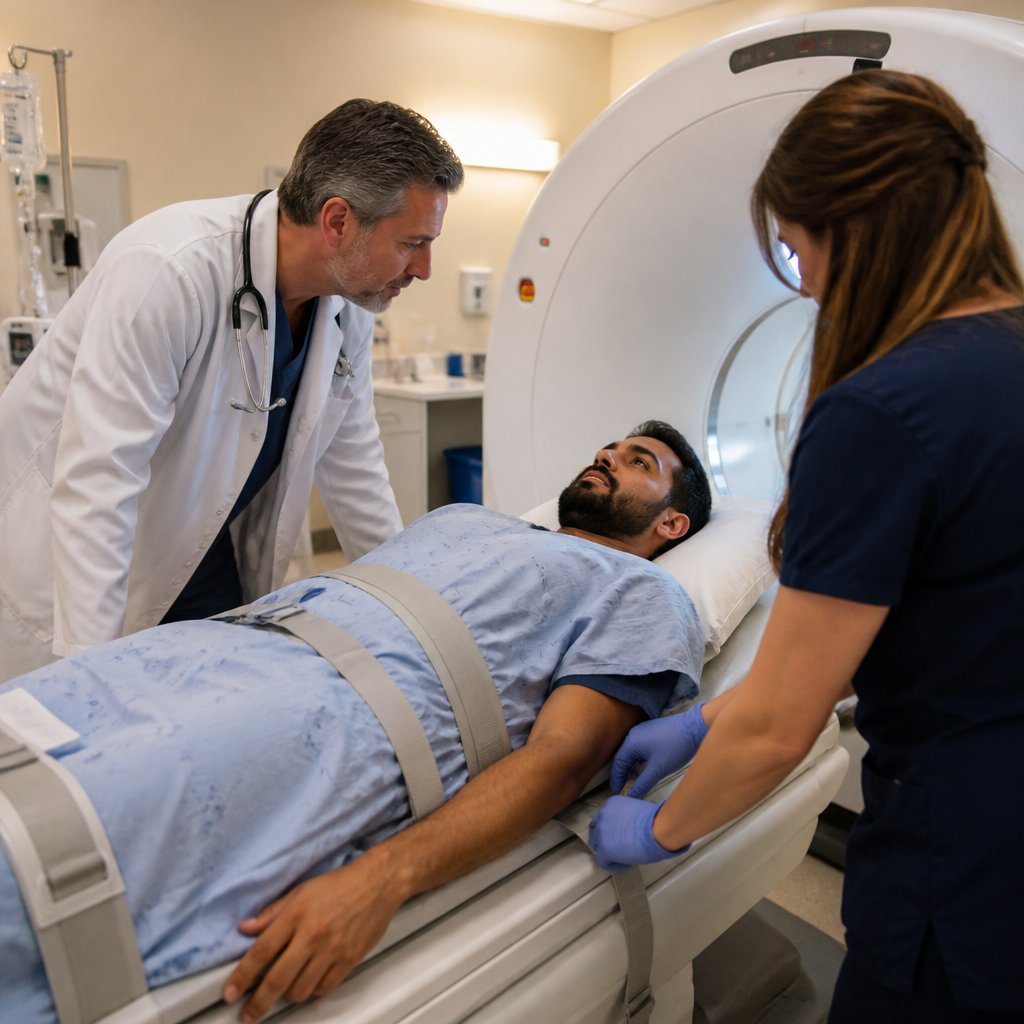
I heard the doctor say, "Severe cervical fracture," and a cold weight settled behind my eyes. He sounded like he was in a hurry even when he was careful. The ED doctor was an older white man with salt-and-pepper hair and a clipped voice; he stood too close and I could see the tired lines at the corners of his eyes.
He said helicopter and Level I trauma in the same breath, like two parts of the same sentence. The CT tech left the room and the nurse with long brown hair tightened the straps around my shoulders. I tasted metal in my mouth and the air smelled like antiseptic. Time suddenly had a shape — thin and loud and moving fast toward the roof where a medevac could land.
I tried to say something useful and my mouth wouldn't make the words. They talked about swelling, about hours that could change everything, and I focused on the low mechanical hum of the CT machine while the doctor spoke. The next step depended on a decision they had to make before the swelling started to move, and I felt like the whole room was holding its breath with me—
Squeeze My Fingers Then
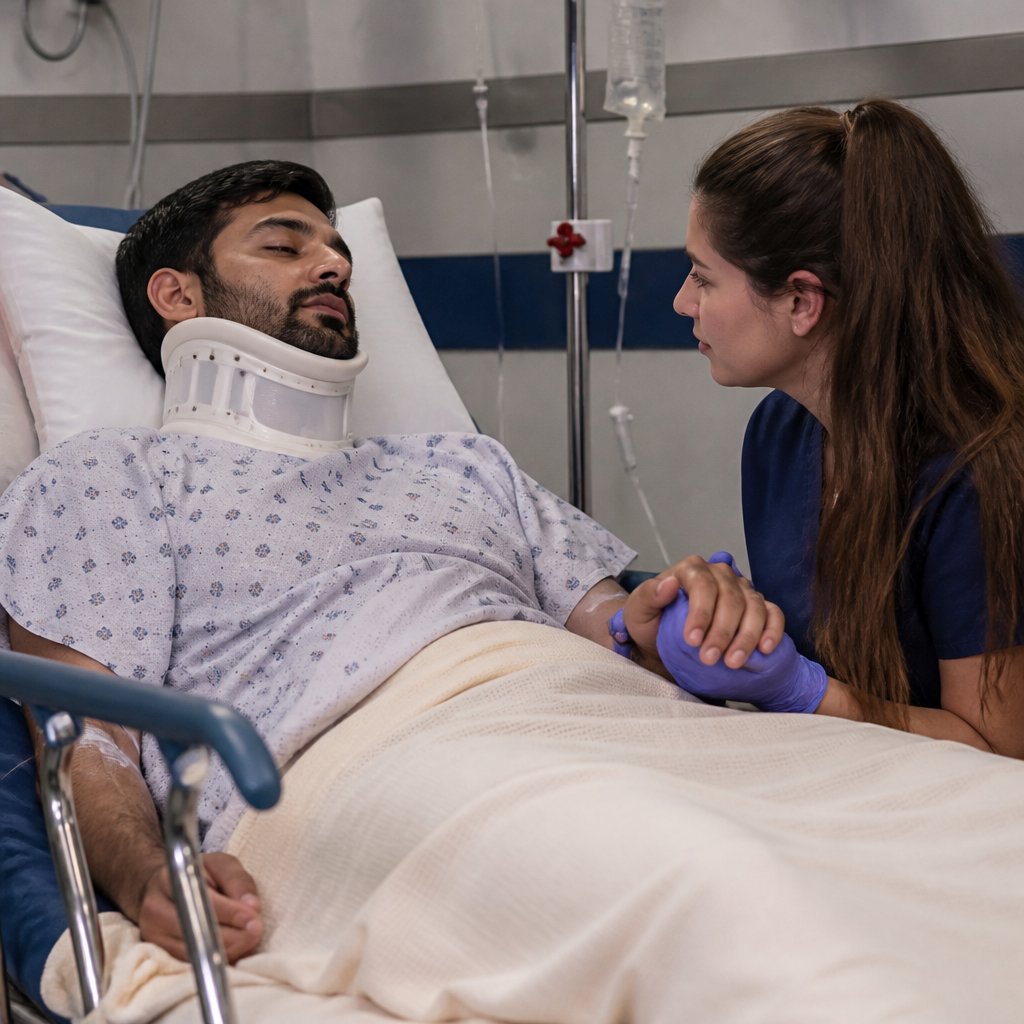
They rolled me into the trauma bay where the ceiling felt lower and the lights felt closer. Someone asked me to squeeze their fingers like it was the only test that still mattered. I tried and my hand twitched but didn't close. I could feel the cool plastic of the stretcher under my back and the collar digging into my neck.
The nurse with long brown hair kept her voice steady while she checked my pupils and asked me again to wiggle my toes. I couldn't. They told me not to eat or drink because surgery was likely; the word surgery sounded huge in the antiseptic-smelling room. The fluorescent lights above me hummed, and every beep from the monitor seemed to jump a half-second late.
They were gentle but precise, asking me questions I couldn't answer and charting things I couldn't fix. I watched my hand on the sheet and thought about how one small motion might tell them whether they could trust my spine. The next command came and I felt the air in the room change as if everyone was waiting to see the answer—
What The MRI Showed
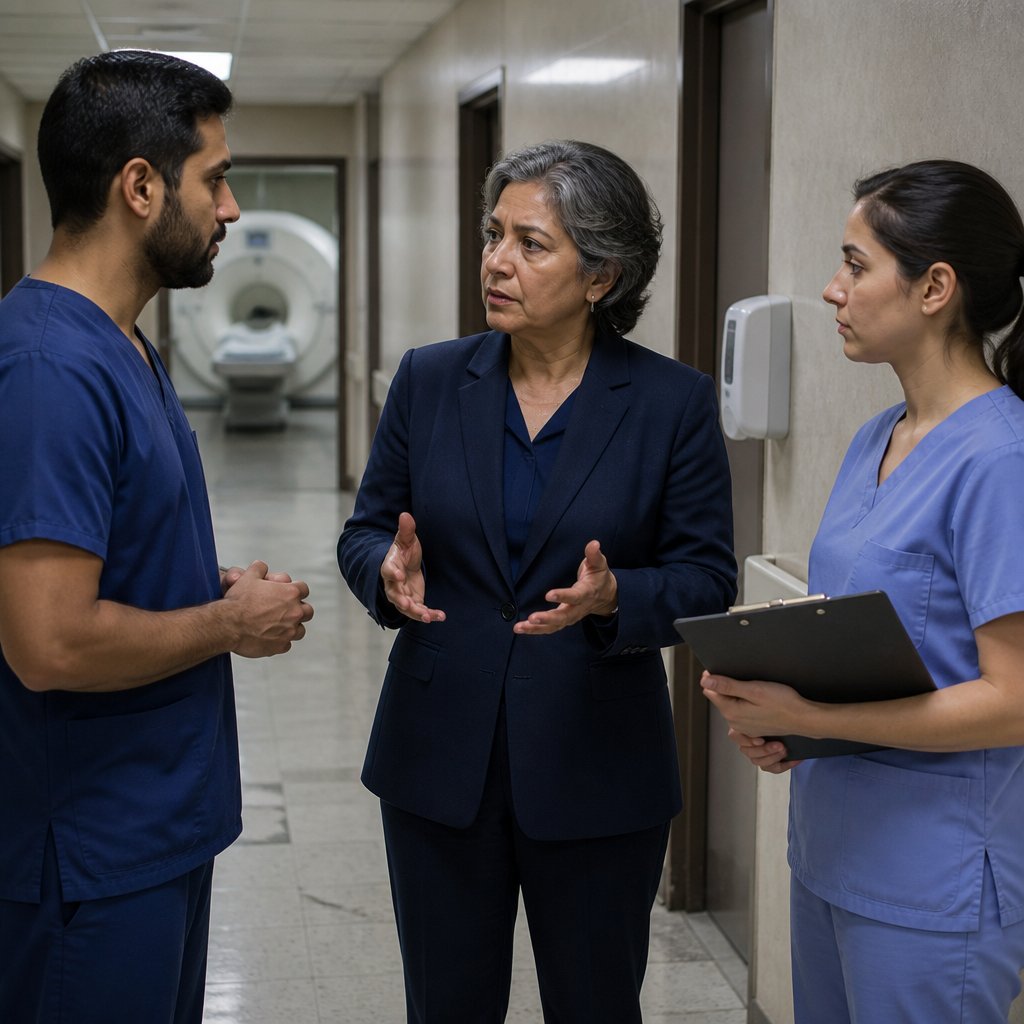
The MRI was long and slow and colder than the CT. When they told me the words — C5 burst fracture, cord contusion, hemorrhage — they sounded like a report read off a clipboard, not the sentence that would decide the rest of my life. A neurosurgeon entered the room afterward and explained things in a clear, even tone that somehow made the stakes feel worse.
The neurosurgeon was Dr. Evelyn Ramirez, a woman in her mid-50s with short gray-streaked hair and a deliberate way of speaking. She explained that the burst fracture had sent fragments into the canal and the cord showed bruising and small areas of bleeding. She said swelling could travel upward and suppress breathing. I could hear the sharp, metallic click of a pen against her pad while she spoke.
She talked about probabilities — paralysis, respiratory failure, the need for urgent stabilization — as if she were listing options at a menu. My chest tightened when she mentioned that edema could change my status by the hour. Outside the MRI room a maintenance door thudded twice, and for a second I imagined I could hear the future closing in—
Blood Pressure Fell Fast
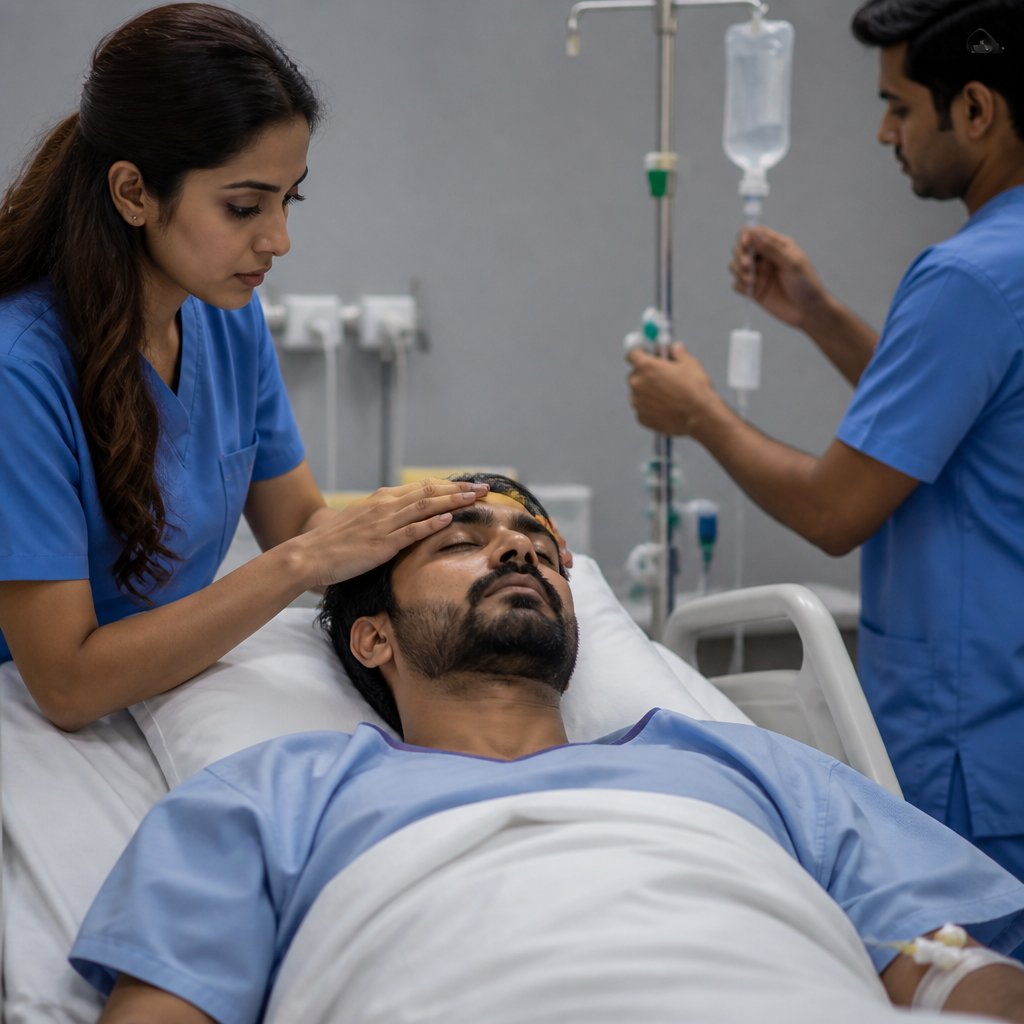
My blood pressure dipped so suddenly the monitors hiccupped. Someone said neurogenic shock and the word made the room tilt; it meant the nervous system had stopped telling the heart what to do. They told me a central line was necessary and that vasopressors would start. I smelled the alcohol prep as they worked and heard the soft rustle of sterile drapes.
They placed the line with a calm, practiced routine; it felt like they were patching a leak in the ship. My hands were numb and I watched the infusion bag drip, counting the seconds between drops the way you count waves from shore. Vasopressors began to raise and hold my pressure and a nurse kept a palm on my forehead. The young ER nurse with long brown hair watched the infusion and muttered doses into the chart.
Everyone watched my breathing the way you watch a fragile flame. For a while the vasopressors did their job, knotting my blood pressure back into range, and the room eased. But the nurse said swelling can still move up from the injury site, and that made the next breath feel less certain—
Night Surgery For My Spine
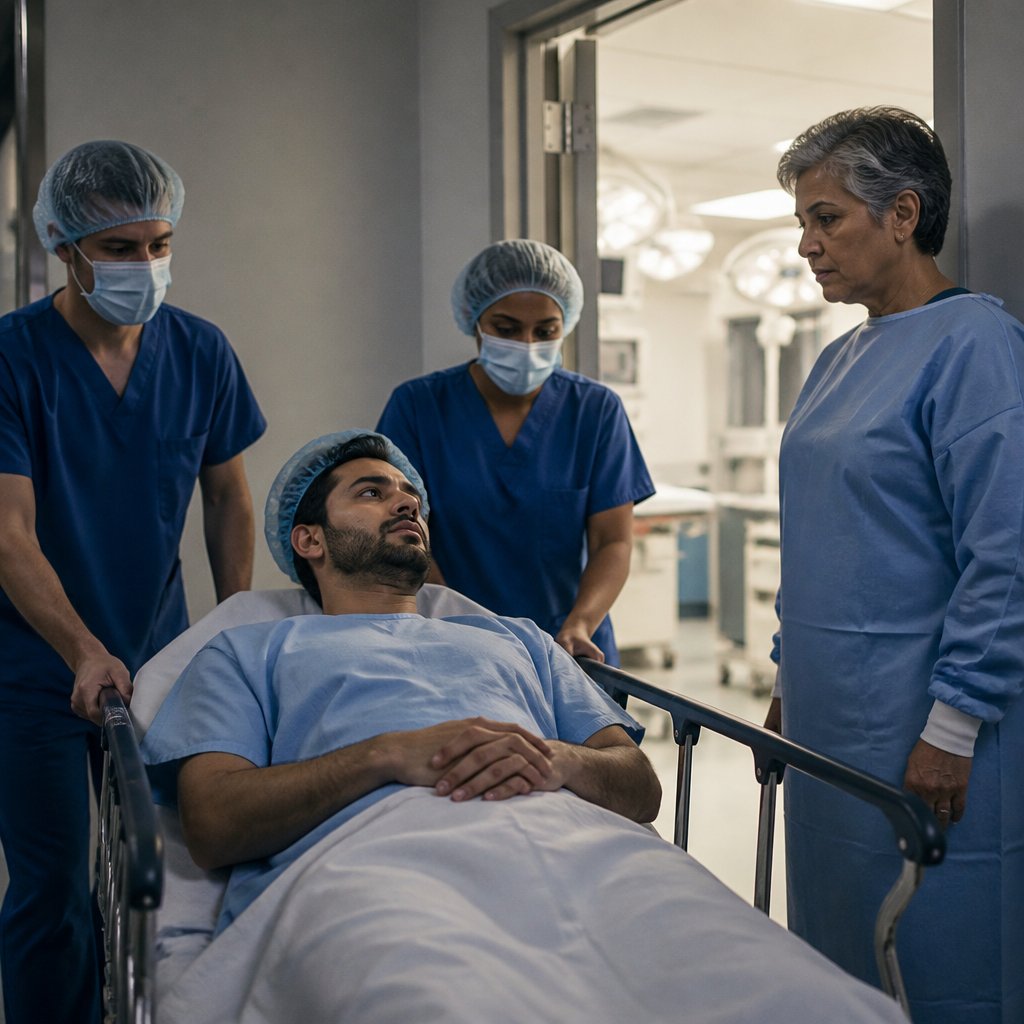
They rolled me to the operating room at night for a posterior decompression and fusion, C4–C6 laminectomy with instrumentation. I remember the table's coldness against my back and the sterile, citrus smell of the prep solution as they taped my arms. The OR team spoke in clipped, efficient sentences and I heard metal instruments being set down in a tray.
The plan was to decompress the cord and stabilize the vertebrae so the spine couldn't move and risk more damage. I was told the procedure would take hours and that the goal was to give my cord the best chance to stop swelling and begin healing. The neurosurgeon, Dr. Evelyn Ramirez, outlined the hardware they'd use and the levels they'd fuse; she sounded steady and practiced.
They wheeled me under clear lights and a circulating nurse smoothed the sheet over my legs. My last sensation before anesthesia was the click of surgical lights engaging and the distant thud of footsteps in the hallway. I understood surgery was necessary because my spine couldn't be trusted to hold itself, and then everything went black while the team worked—
Morning In The ICU
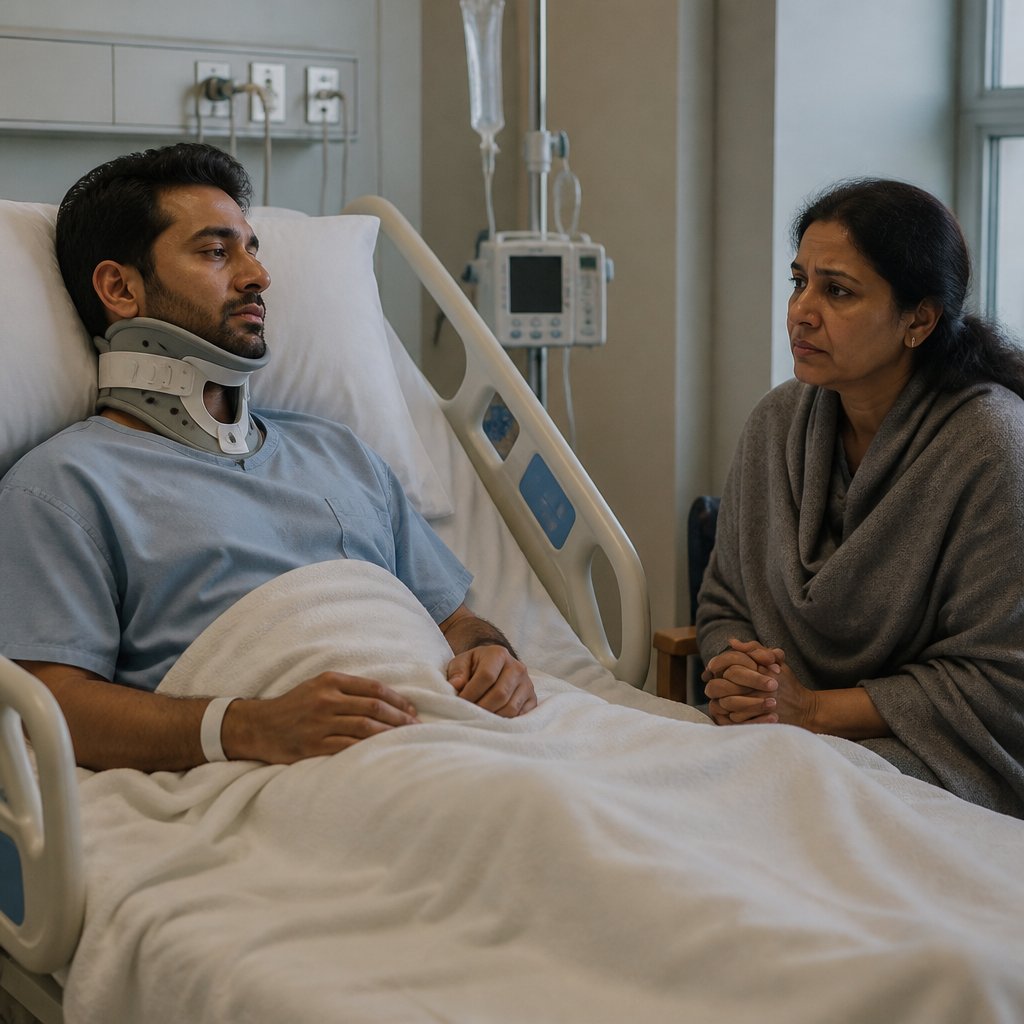
I woke in the ICU with a rigid collar and the world reduced to a few sounds: beeps, a distant cart rolling, and the suctioning noise down the hall. The collar dug into the base of my skull and the plastic felt warm against my throat. Nurses adjusted my pillow and told me it was morning.
I tried to lift my arms the way I'd practiced in my head a hundred times. My shoulders moved a hair under the effort but my hands were useless, and my legs felt like a part of the bed. A nurse with short glasses checked my reflexes and told me to keep trying, but the words felt thin. The ICU monitor kept a steady rhythm, and every beep made my chest tighten.
I could see my mother in the corner, rubbing her hands together; she had come overnight. The thought of telling her that my legs were gone from under me made my stomach flip. I wanted to promise progress, to show her something real, and the next test was the one I was most afraid of—
They Taught Me To Cough
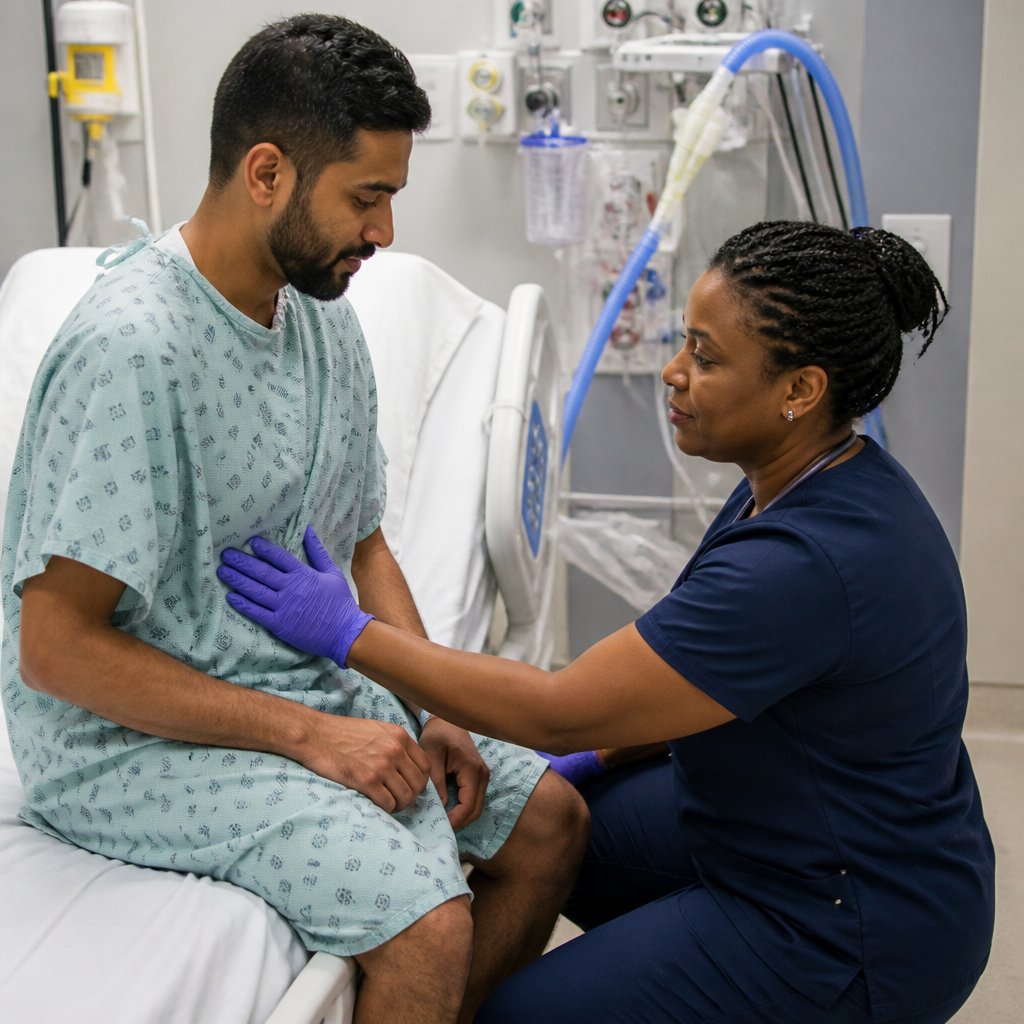
I learned very quickly that not being able to cough was its own emergency. Respiratory therapy came by and a tall Black woman with short braids explained how secretions could turn a small chest infection into something lethal. She had patient hands and a quiet voice; when she demonstrated an assisted cough, she put a hand on my abdomen and asked me to try.
Her squeeze and the way she coached my breath felt odd and intimate. I could hear the soft rasp of my own attempt and the wet sound of secretions shifting in my throat. She showed me how to lean forward, how to press at just the right spot to simulate the diaphragm's push, and how fast a cold could become dangerous when you couldn't clear your airway.
They taught me suctioning maneuvers and how to signal a nurse when I felt a change. The respiratory therapist warned that even with precautions, my chest could fill without warning, and I kept thinking of the cliff's cold water while the therapist's hand was still on my belly—
The Rehab Ward Felt Different
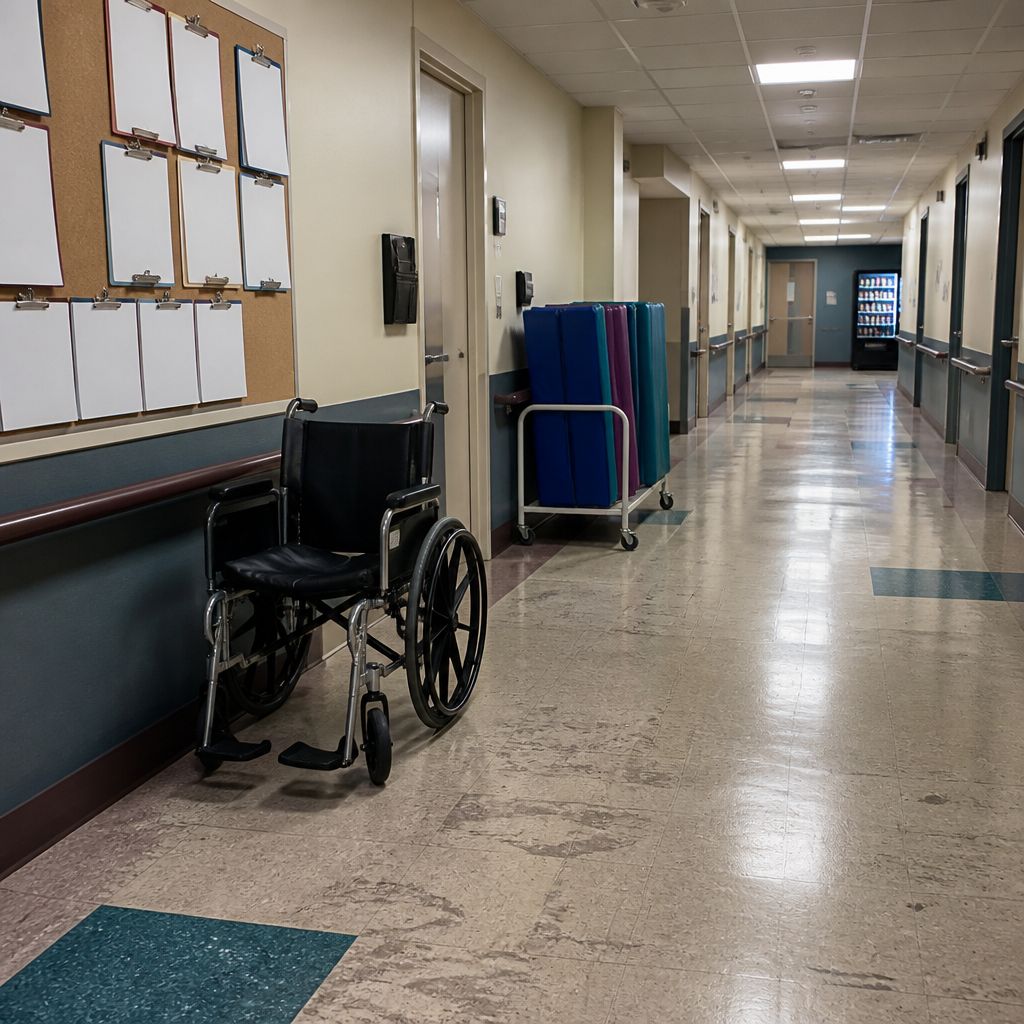
Being transferred to inpatient rehab felt like stepping into a different country. The floors smelled faintly of cafeteria coffee and antiseptic. Rooms were bright with windows and a schedule board said therapy times aloud; people moved on routines built around survival and small victories.
The first lessons were practical and private: bladder catheter teaching, bowel program planning, pressure-relief schedules. A rehab nurse, a middle-aged Asian woman with glasses and a steady manner, explained how we'd manage catheter care and how often I'd need to shift my position to avoid pressure injuries. She showed me cushions and foam wedges and how to check skin for redness.
They practiced transfers with a physical therapist and an occupational therapist who measured my reach and my sensation. I watched other patients learning the same rituals and felt both comforted and exposed. I had to learn to manage the basics of my body with new rules, and the first night there I realized the routines would be my life for the next months—
A Flicker In My Biceps
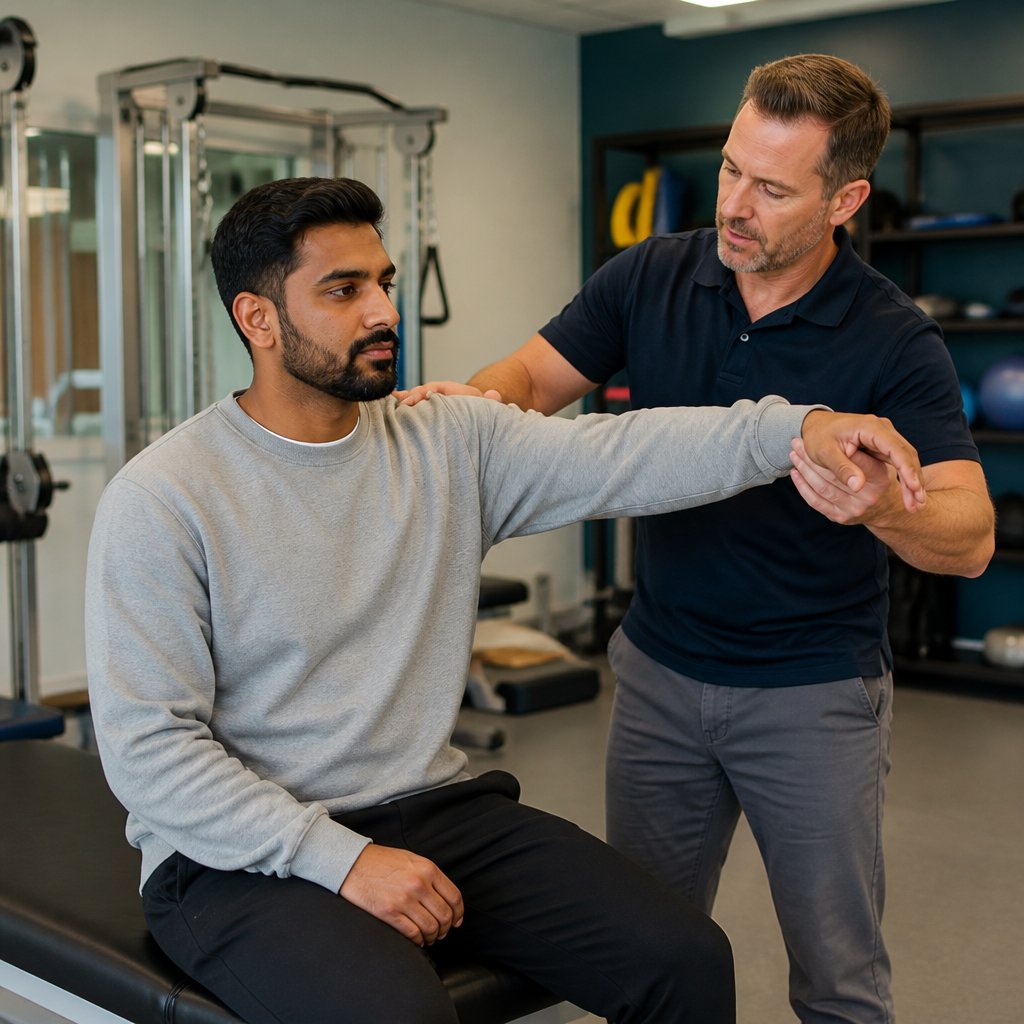
Weeks into rehab there was a flicker. One morning, during a shoulder exercise, I felt a weird, small twitch in my right arm — a tightening under the skin at the biceps. It wasn't a lift yet, but when the therapist asked, I felt something push against her hand. I remember the smell of the pool they used for aquatic therapy and the squeak of sneakers in the gym.
My shoulders began to take instruction again and a trace of muscle answered. Hands stayed weak; grasping a cup was more a choreography than a reflex. My legs remained silent, but the biceps felt like a promise I didn't know how to accept. At night the memory of the cliff replayed like a film I couldn't pause: the sun on the rock, the cold slap of water, the sound of my friends laughing before I jumped.
I tried to hold the flicker up to the rest of what I'd lost and make sense of it. It gave me reason to push harder in therapy and also reason to lie awake and re-run the jump until the lights went out. Outside, the rehab courtyard clock ticked toward another morning and I wondered if the next day would bring more or nothing at all—
Homecoming Into An Adapted Apartment
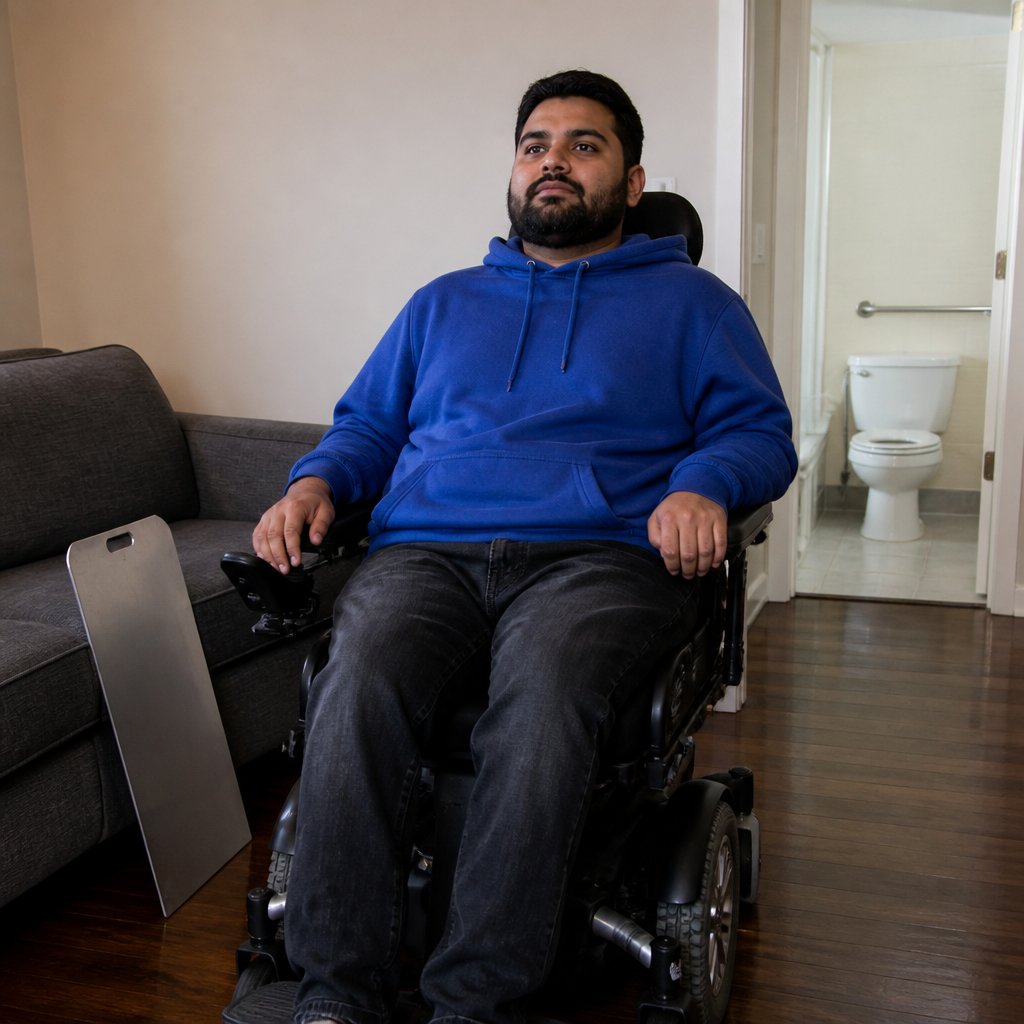
The ambulance dropped me at my building and my sister Asha and a hospital social worker moved the boxes while I watched from the back of the van. The place wasn't the apartment I left; it felt like a workshop someone had made for someone like me. A power wheelchair sat in the living room where the armchair used to be. A metal transfer board lay folded against the couch. A shower chair lived in the bathroom. They'd lowered the counters and installed grab bars, but none of that made the apartment feel like mine yet. I spent that first evening learning the little humiliations of living in a body that didn't obey. I had to ask Asha to reach things on the high shelf. I had to plan every turn so the wheelchair wouldn't jam on the rug. The company that adapted the van came the next day. They hooked up hand controls and showed me how the ramp worked. I could move the wheelchair around the kitchen, but when I tried the van's controls I realized I couldn't modulate them the way the technician expected. I remembered the scrape of the wheelchair tires on the linoleum as I tried to line up the ramp, and I didn't know whether the van's ramp would ever stop feeling like a test.
Work, Mentoring, And Warnings
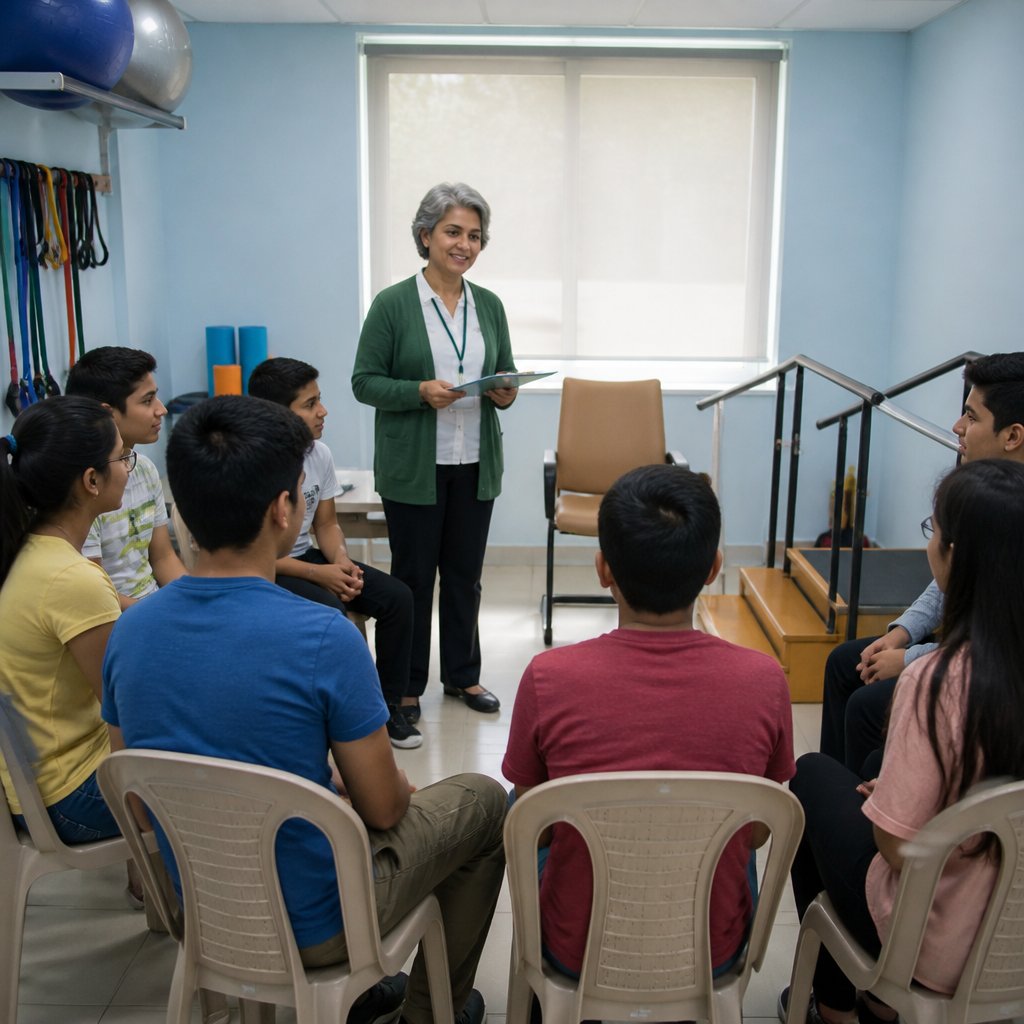
I learned to make a life that fit around a chronic high-cervical spinal cord injury. Months became routine. My arms had limited function. My hands weren't useful the way they had been. I couldn't walk. I couldn't do dinner without planning every move. I worked a modified desk role where I used voice dictation and a head-controlled cursor to answer emails and review reports. I went back to the hospital sometimes to mentor new patients. I told them the clinical stuff—what levels of injury meant, what muscle groups might come back, how long rehab usually takes—but the thing that stopped me every time was the story I couldn't forget. I told teens who came to the clinic about water levels, about how a place that looked safe could hide a ledge. I watched faces change when I said the words. The echo of my voice filled the clinic classroom as I said, 'water levels change,' and I could see some of them imagine a place they'd been without warning. I kept asking myself whether saying that detail would be the thing that finally stopped someone from jumping, and I couldn't tell if it would be enough.
Would you have jumped knowing the water hid a ledge?