

Why I Needed Every Detail
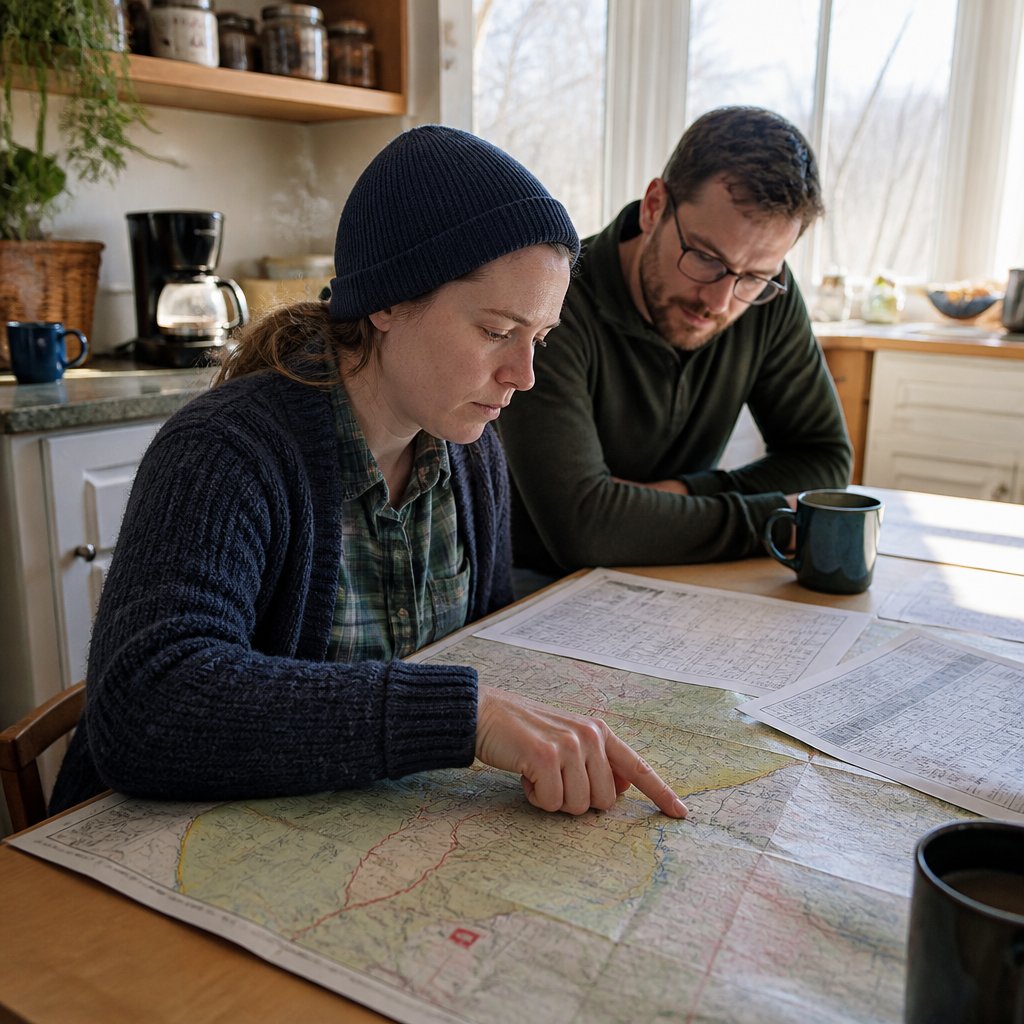
In Wasilla, I was the planner in our marriage. Mike was the guy who loved flying without a strict plan, but I needed routes and weather windows written down before I’d climb into the plane. It wasn’t that I didn’t trust him, it was that I liked knowing what to expect. I remember the cold air in the kitchen that morning, smelling the coffee as I spread maps across the table. The lines and notes felt like a safety net.
Mike laughed when I asked for printed weather reports, but he didn’t push back. He knew how much it mattered to me. We had this balance—his recklessness and my caution—that worked most days. But that day, I had a strange feeling under my skin, like something wasn’t fitting right in my usual preparations.
I kept running through the checklist, double-checking the forecast and our route. The white glow of the printer was still warm when Mike walked in, his jacket dusted with snowflakes. He said everything looked good to fly. But my throat was tight, and I couldn’t shake the feeling that we were rushing something.
He Convinced Me To Fly
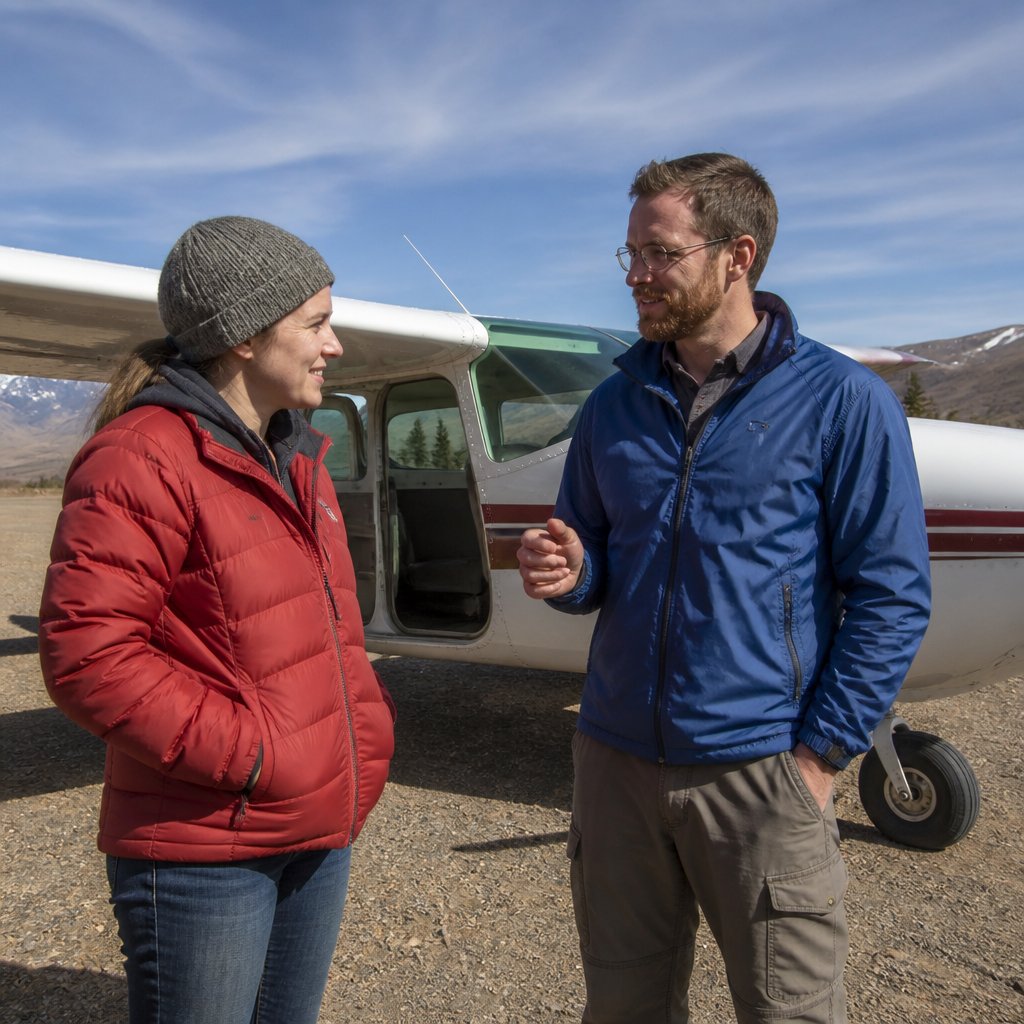
Mike told me about a short hop from Bettles to a remote hunting drop near the John River. He called it a "clear-weather" flight, simple and straightforward. I hesitated. Flying into unknown territory wasn’t my idea of simple, but he promised the conditions would hold. He said he’d file VFR, and the whole trip would be quick.
I looked out the window, watching snow melt slowly on the porch. His voice was steady, confident. He said, "Trust me, it’s just a short flight." I hesitated, then nodded. Part of me wanted the adventure, the break from routine. Part of me still clung to the plans I’d made at home.
We packed light essentials, and I tried to ignore the flutter of anxiety in my chest. The sun was low in the sky, and the air smelled like damp earth and pine. Mike’s enthusiasm was contagious, but the knot in my stomach tightened as we climbed into the plane.
Fueling Up At Bettles
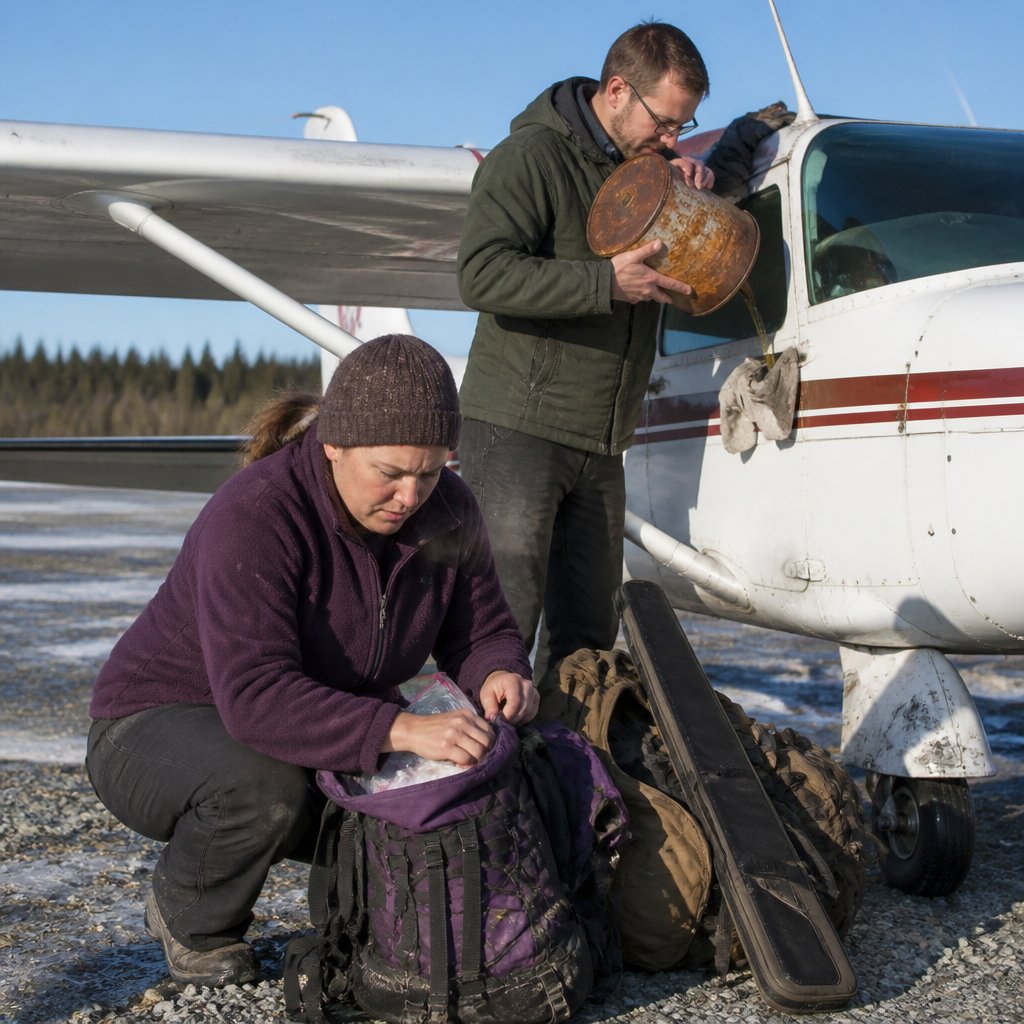
At the Bettles strip, we topped off the plane’s tanks from drums of aviation gasoline. Forty-two point seven gallons of it. Mike handled the fuel hose with practiced ease, and I watched the liquid drip into the tank, the smell sharp and oily in the cold air. The ground was frozen dirt and gravel, crunching under our boots.
We loaded a small tent, sleeping bags, a Jetboil stove, and a .30-06 rifle into the plane. I adjusted the Garmin GPSMAP 64 on my wrist and double-checked the half-full first aid kit. Everything was packed tight, balanced just right. The cold bit into my fingers as I zipped up my purple fleece jacket.
Mike cracked a smile and shook his head at my careful fussing, but I felt more prepared than ever. The hiss of the fuel and the metallic clang of the rifle case echoed in the quiet tundra air. I could feel the tension in my shoulders, but I tried to push it down. We were ready—or so I thought.
Engine Started To Falter
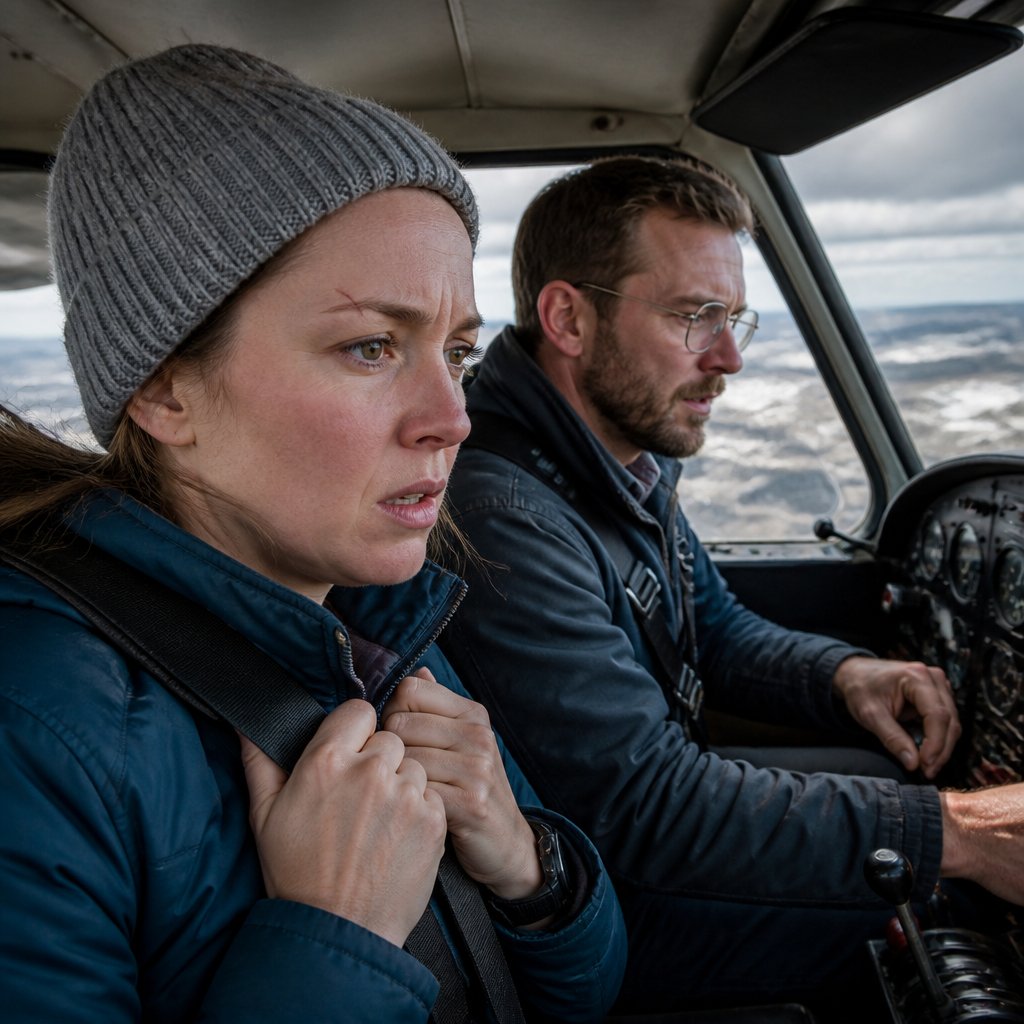
About thirty-five minutes after takeoff, the engine began to surge. The smooth hum changed abruptly, and the RPM dropped. The sound turned hollow, almost like the engine was breathing wrong. Mike’s hand tightened on the yoke. I felt the vibration in my chest, a deep, unsettling rumble.
The sky around us was pale and gray, the cold pushing through the thin metal of the cabin. Mike’s voice was calm but tense. "Something’s not right," he said. I swallowed hard, the salt in my throat thick. The plane shuddered again, and I gripped the seat belt tighter.
Clouds were closing in fast, swirling below us. Mike switched fuel tanks and leaned the mixture, eyes flicking between the gauges and the horizon. The engine coughed and sputtered, then settled into a low, uneven drone. I knew then that we weren’t going to finish this flight as planned.
Tundra Rushed Toward Us
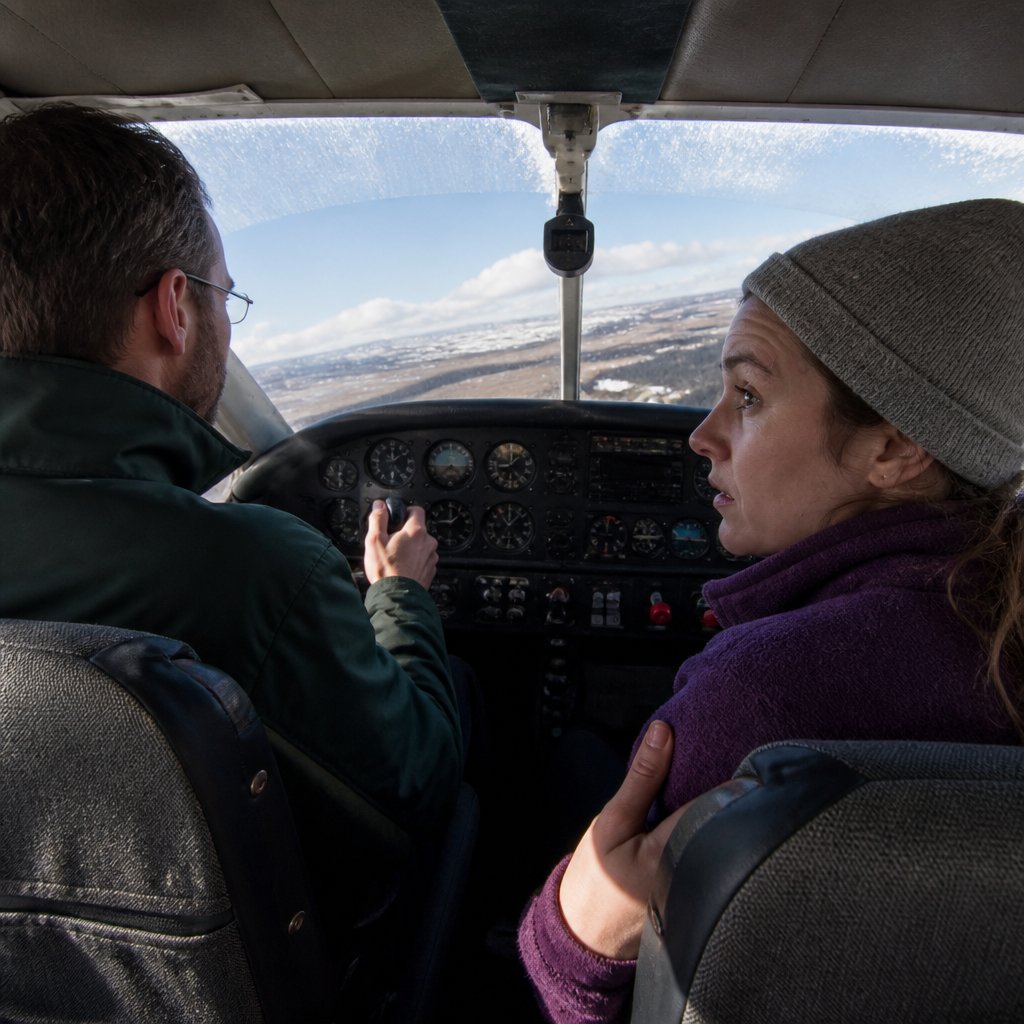
The clouds dropped fast over the foothills, thick and heavy. Visibility shrank with every second. Mike switched fuel tanks again and leaned the mixture carefully, his hands steady but tight on the controls. Then he said, "I’m putting it down," his voice low.
Through the windshield, the endless expanse of tundra rose up like a wall. I could see patches of brown and green moss, scattered willows bending in the wind. The cold pressed against the glass, frost collecting at the edges. The plane shook as Mike searched for a flat spot to land.
I felt the tension coil in my stomach as the ground grew closer, faster. The smell of fuel was sharp in the cramped cabin. I stared out, watching the horizon tilt and dip. The moment stretched thin, every breath caught between hope and fear.
Water From A Shallow Slough
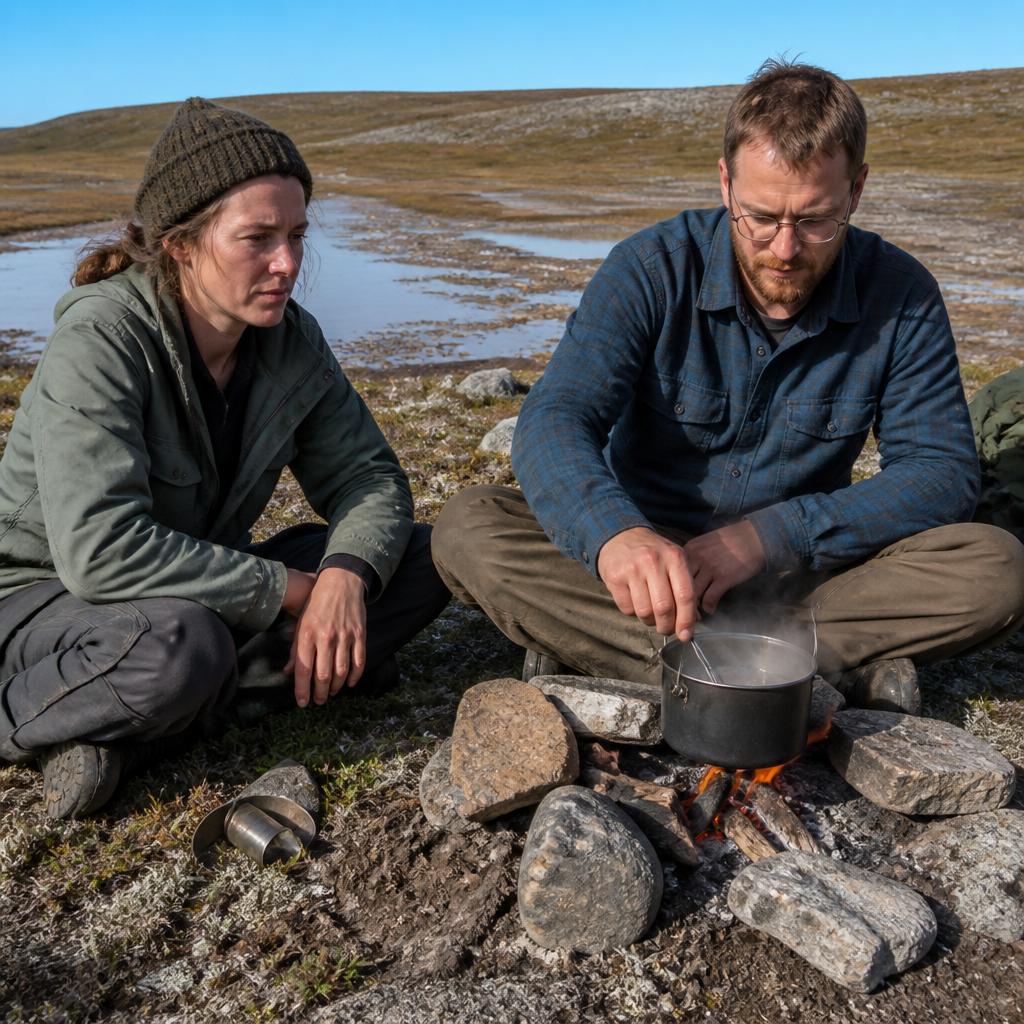
Water was scarce and strange. We found a shallow slough nearby and boiled its murky contents until the metal taste settled into the steam. Each sip burned the back of my throat but it was water, at least. The food we had was shrinking rapidly — just jerky, trail mix, and protein bars left over. They crumbled into dust the moment I bit down, dry enough to remind me of the drought outside.
Every morning my mouth was thick with salt, and the cold bit deeper than the day before. We moved carefully, rationing what little we had, but the endless sky stretched out like a trap. I tried not to think about how few resources were left.
Mike sat beside me, shadows under his eyes growing longer. The frost on his knit cap had never melted, and the silence between us weighed heavier than the cold. We both knew water was only the start of what we needed — but what else could we find here?
Signs We Made Visible
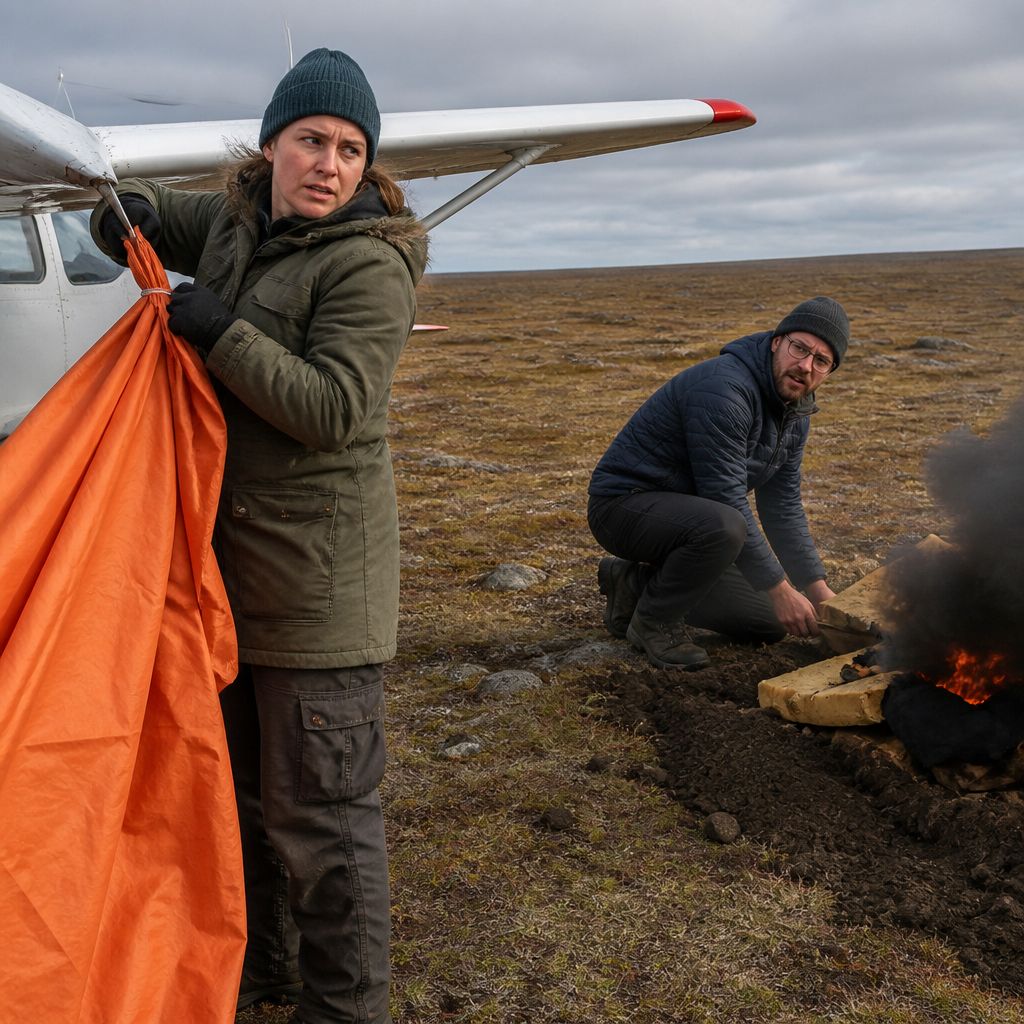
We needed to be seen. Mike ripped the orange tent fly and strapped it tightly over the wing, its bright color stark against the pale tundra. When we heard distant aircraft, we’d light a trench-fire made from seat foam, the thick black smoke rising in heavy plumes, a desperate signal against the grey sky.
Mike also scraped “SOS” into the belly of the plane with engine oil, the dark letters smeared and crude but clear from above. Every attempt to catch attention felt urgent, like screaming into a void we hoped wasn’t empty.
The cold wrapped around us like a second skin, but we worked quickly, hands trembling. We could hear nothing but the occasional distant rumble of engines overhead, but no response yet. Every puff of black smoke carried our hope mixed with a growing fear.
Propeller Sound Threaded Clouds
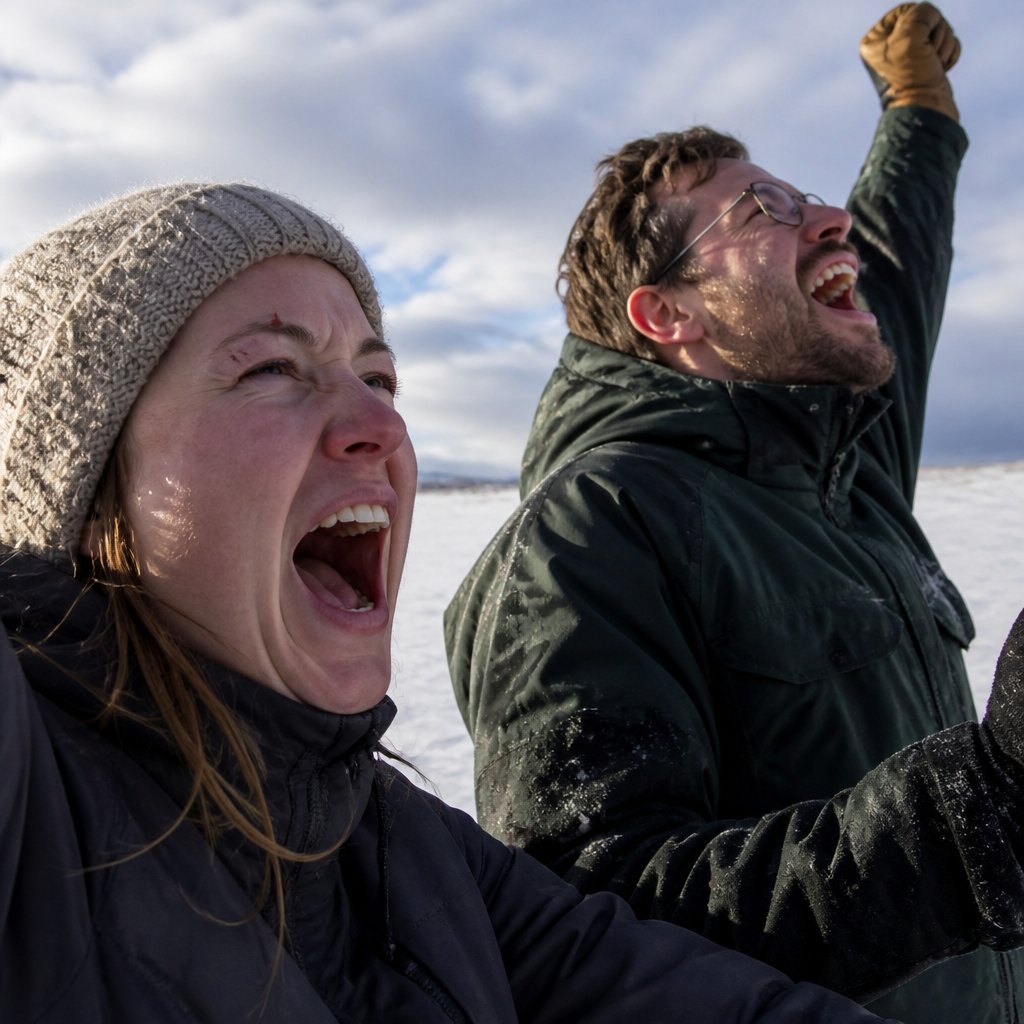
On day four, the sound came—a distant propeller drone threading through the thick cloud ceiling. Mike’s face changed instantly; his voice cracked as he screamed until his throat was raw, desperate to be heard.
We threw ourselves into the snow-packed ground, waving arms until they ached, hoping the noise meant rescue was near. But the plane passed over, never turning back, swallowed by the endless sky.
After the sound faded, the silence grew heavier, colder. We stared after the disappearing echo, hearts pounding. The hope that had flared dimmed, replaced by a new, harder question: had anyone seen us at all?
Hope Can Be Wrong Too
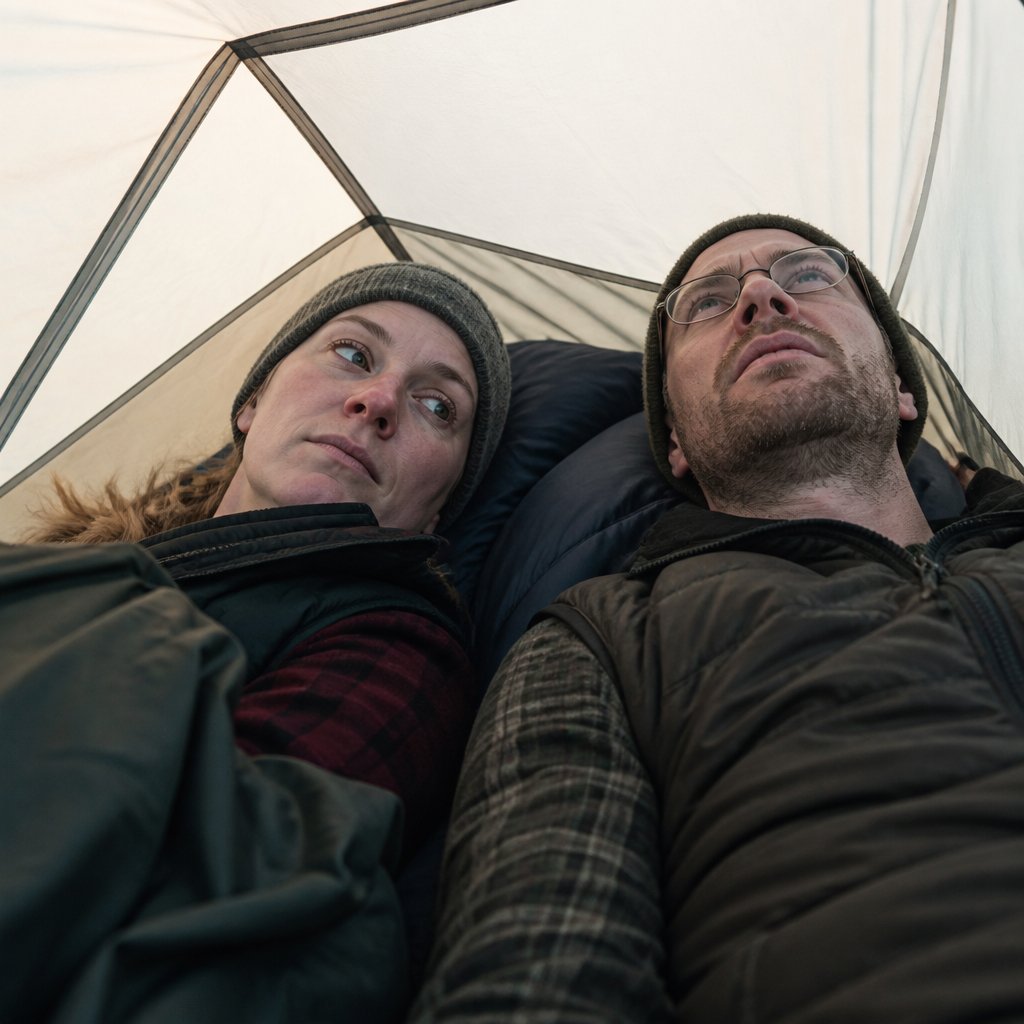
That night, Mike lay back staring at the ceiling of clouds above the tent. His voice was low and flat when he said, “They’re not looking here.”
I felt a cold twist settle in my chest. It was the first time hope felt like a lie, something more fragile than absence. The clouds pressed close, silent and endless, as if the world had moved on without us.
I wanted to argue, to believe otherwise, but the weight of his words stayed with me. It was a new kind of fear—knowing that even hope could be wrong, not just missing.
A Helicopter Loomed Over Creek
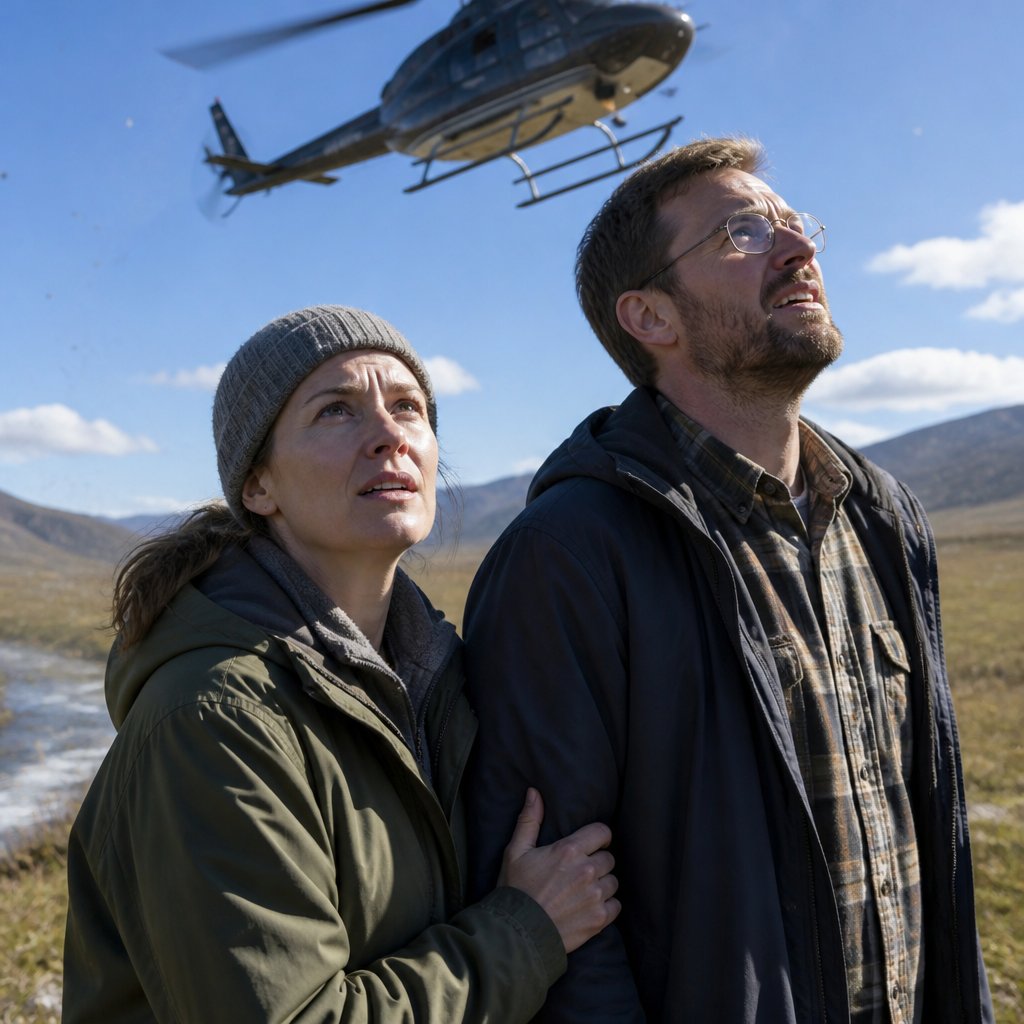
The sound came first, low and steady, a deep thrum against the quiet of the tundra. I looked up just as a helicopter dipped over the creek, its rotors churning thick clouds of mist and grass. The Alaska State Troopers, Mike whispered, eyes wide with relief. We stayed still, watching as it circled and then moved off, the noise fading into the distance like a promise.
Once the rotors quieted, the cold air filled the space again, but hope burned a little brighter inside me. It wasn’t just luck; someone had noticed we were missing. A friend had reported us overdue, and a trooper had seen our crude SOS made from oil on the clearing when the clouds had lifted.
We hadn’t just been lost to the wilderness. Someone was out there looking for us, watching, waiting. But the clouds were already rolling back in, a thick gray wall swallowing the sun and the river. The helicopter wouldn’t come back in this weather. What if the storm closed in too fast, sealing us back in silence and shadow?
Hospital Lights and Fresh Wounds
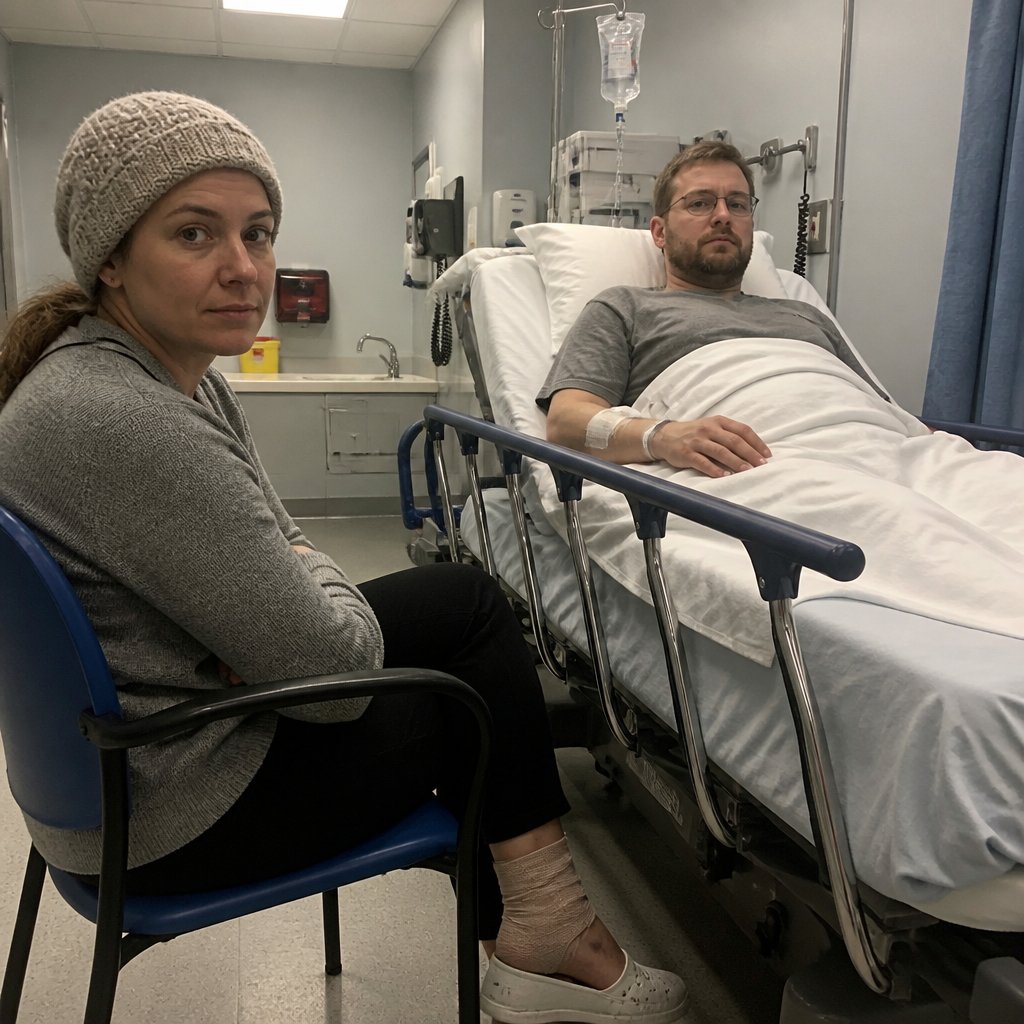
The hospital smelled like antiseptic and quiet worry. I sat on a stiff chair, my ankle throbbing with every heartbeat, while Mike was carried into a small emergency room. The nurse told me he had a fractured wrist and signs of early sepsis. I could see the worry in her eyes, sharp and real.
My own ankle was swollen, bruised dark purple, and the X-rays confirmed a sprain with a tiny fracture. The doctors weighed us both and shook their heads quietly. The tundra had taken weight from us quicker than I’d thought. We looked thinner, worn, and raw from more than just cold.
Mike kept glancing at me with that crooked nose twitching, wires and tubes now tracing his wrist and arm. I reached out, squeezing his hand, trying to hold onto the last of our strength. The room felt too bright, too sterile, and too far from that endless, frostbitten land we’d left behind. But even here, the question nagged at me—how long would it take to heal what the tundra had broken?
We Kept The Torn Orange Fly
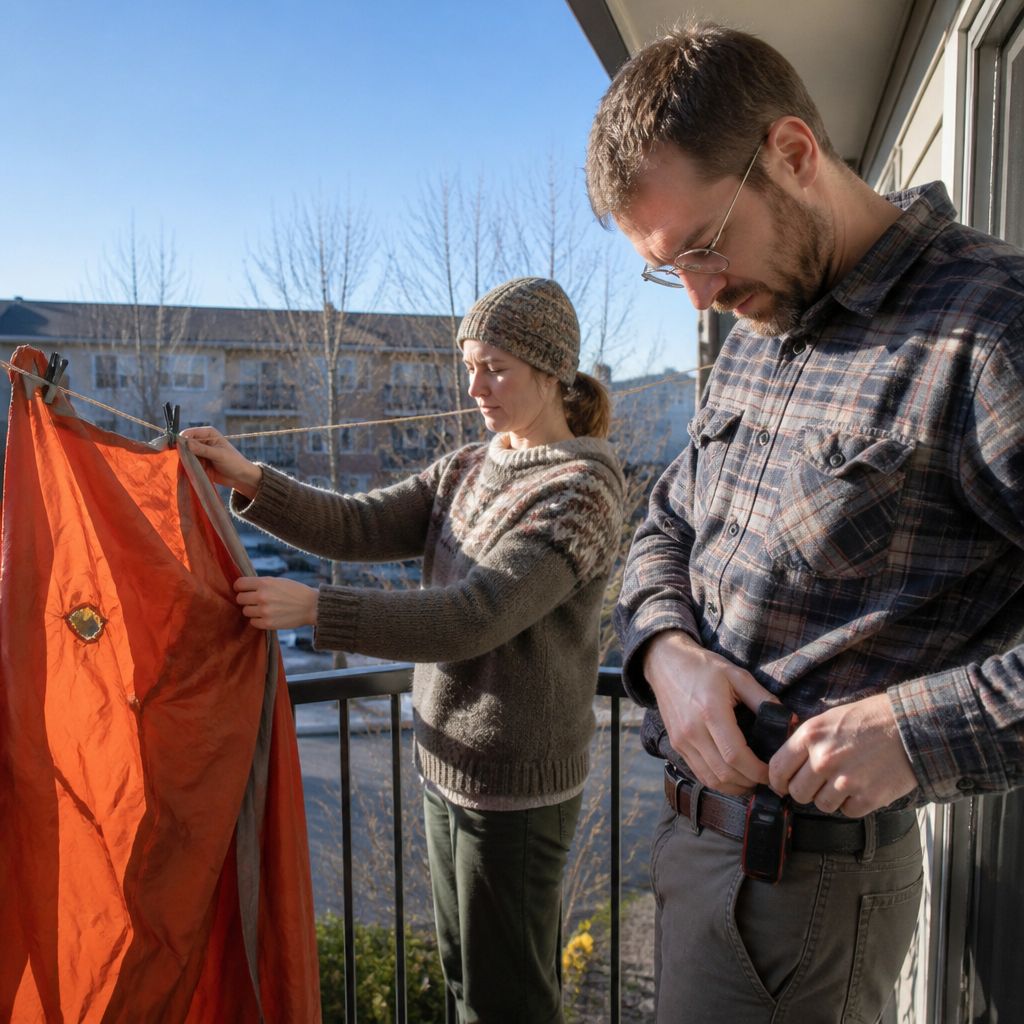
Back in our small Wasilla apartment, the cold still hung in the corners even though the heater fought hard. Mike wouldn’t touch the flight controls without the new satellite communicator secured on his belt and a backup ELT antenna stashed in his bag. He was quieter now, more cautious.
The orange fly from our tent sat draped over the clothesline on the balcony — torn, weathered, and frayed along the edges. Neither of us had the heart to throw it away. It was a stubborn reminder of how close we’d come to disappearing completely into the wilderness.
Every time I glanced at that bright orange fabric, I felt the weight of what we’d survived — and the fragile thread that still held us. The world seemed larger and smaller all at once, and the old recklessness was gone. But underneath the surface, a question lingered: was this caution enough to keep us safe the next time we flew into the Interior?
Would you have stayed calm during an engine failure mid-flight?