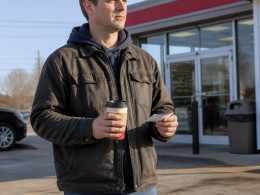




Why I Never Mentioned Mom

My life in Portland felt steady enough. I worked from home, kept my few friends close, and avoided complicated conversations. One subject I avoided above all was Mom's disappearance back in 1996. Officially, she had just walked away. That was the story everyone accepted, even if it didn’t quite make sense.
I never talked about it. It was easier that way. Mom's absence was like a quiet shadow in the background, something I didn’t bring up because the moment I did, the conversation shut down. People didn’t want to hear what I really thought or felt.
Sometimes, late at night, I caught myself staring at the small crescent scar under my left eyebrow—the one I’d had since I was a kid. It was a tiny detail, but it connected me to the past in a way words never could. Still, I kept my distance from the memories.
The Envelope Postmarked 1996
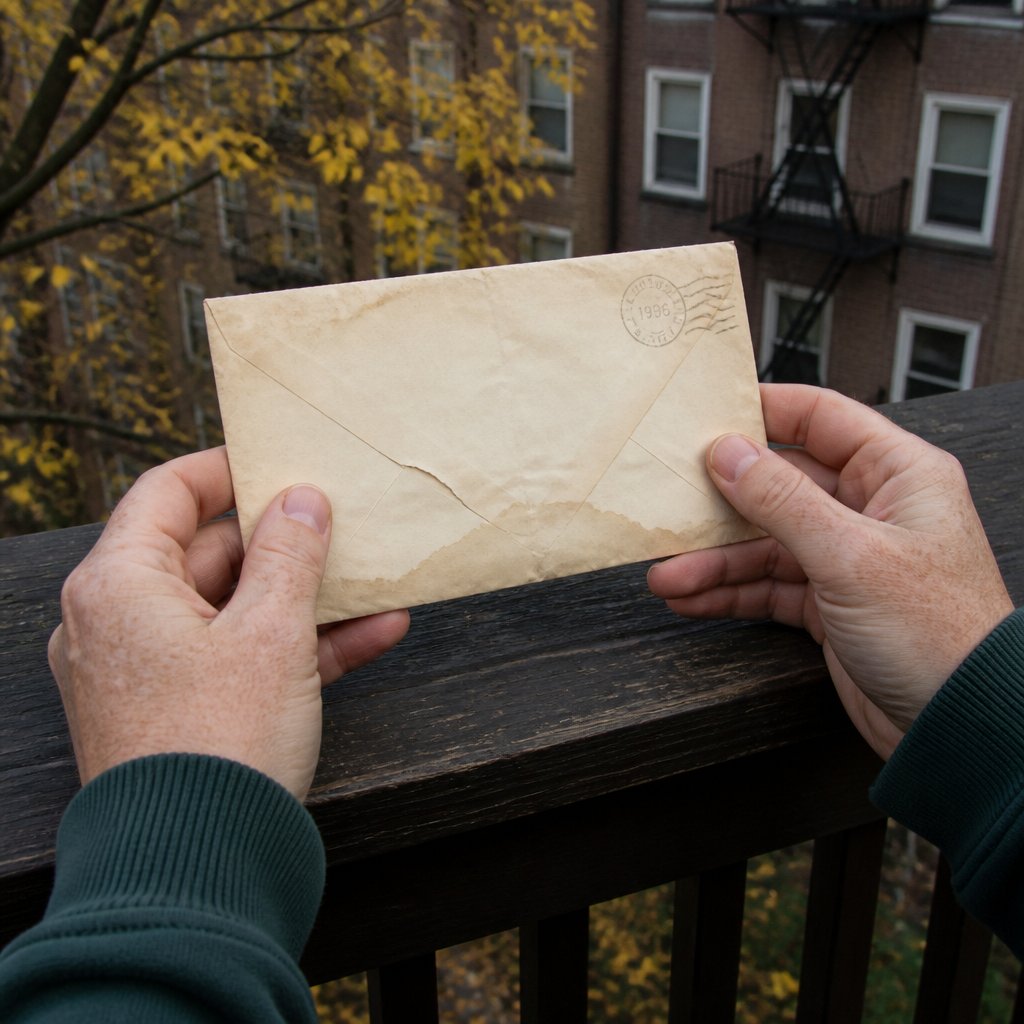
It was a routine Tuesday when I pulled the mail from the box outside my apartment. Mostly bills, some junk, the usual. But one envelope stopped me cold. It was cream-colored and water-stained, the edges frayed like it had been through a storm. The postmark was from Medford, Oregon, dated October 17, 1996.
What really threw me was the address. It was my current name and my current Portland address. I had lived here less than a decade, and I definitely hadn't gotten mail from 1996 before. The envelope felt like a jigsaw piece that didn't belong to any puzzle I knew.
I held it in my hands, the paper rough and warped from water damage. The cancellation stamp was clear enough to read but looked like it belonged in another lifetime. My pulse quickened as I stared at the familiar handwriting on the return address.
Recognizing My Own Child Handwriting
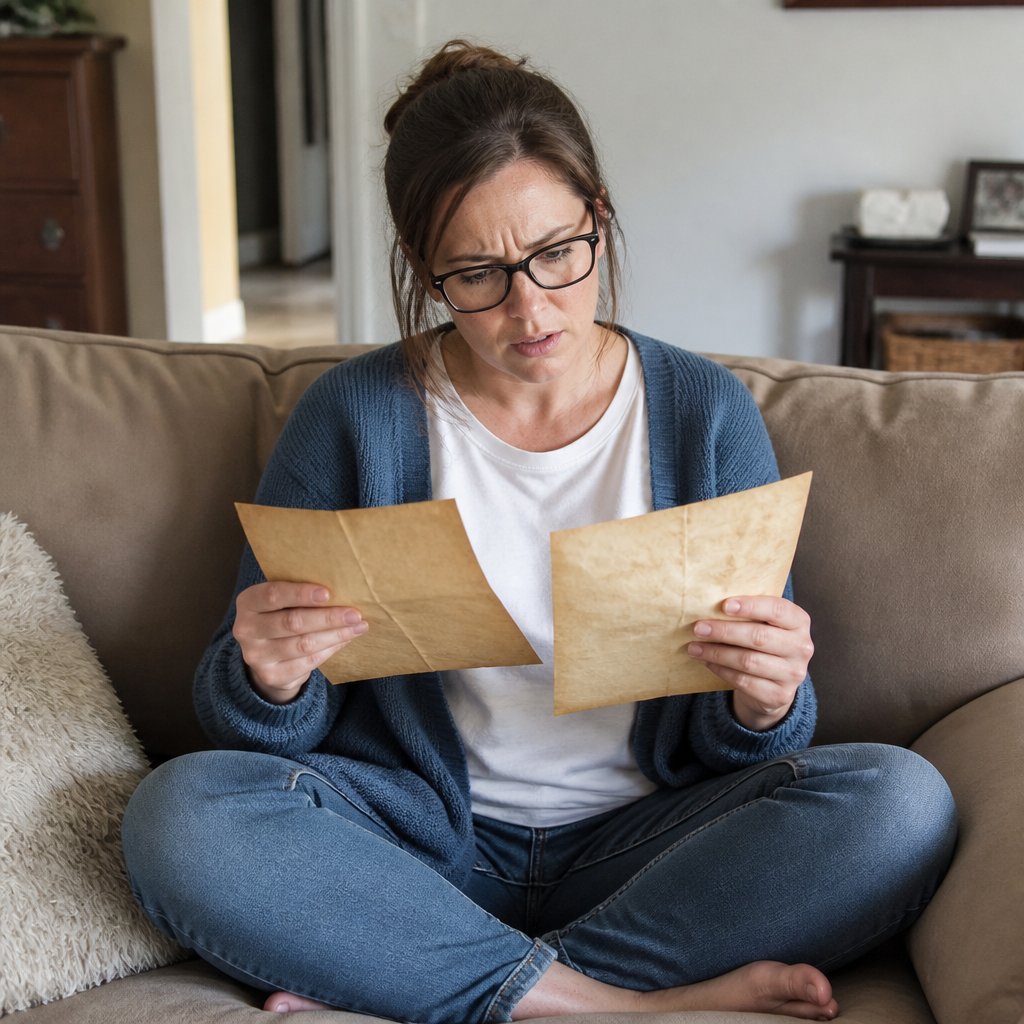
I opened the envelope carefully, the paper crackling softly. Inside were two pages of thin, aged notebook paper, yellowed by time and water spots. As soon as I saw the handwriting, my breath caught. It was my handwriting—clear, neat, and unmistakably mine when I was eleven years old.
At the bottom, the letter was signed "Maren C., 11." My eleven-year-old self. But what made it stranger was that throughout the letter, I was addressed by my married name—the one I hadn’t taken until 2018.
I sat in my living room, the letter resting on my lap, feeling the rough texture of the paper against my skin. I blinked several times, trying to make sense of it. How could a letter written by me in 1996 know a name I wouldn’t have for more than two decades?
A Warning Not To Show Dad
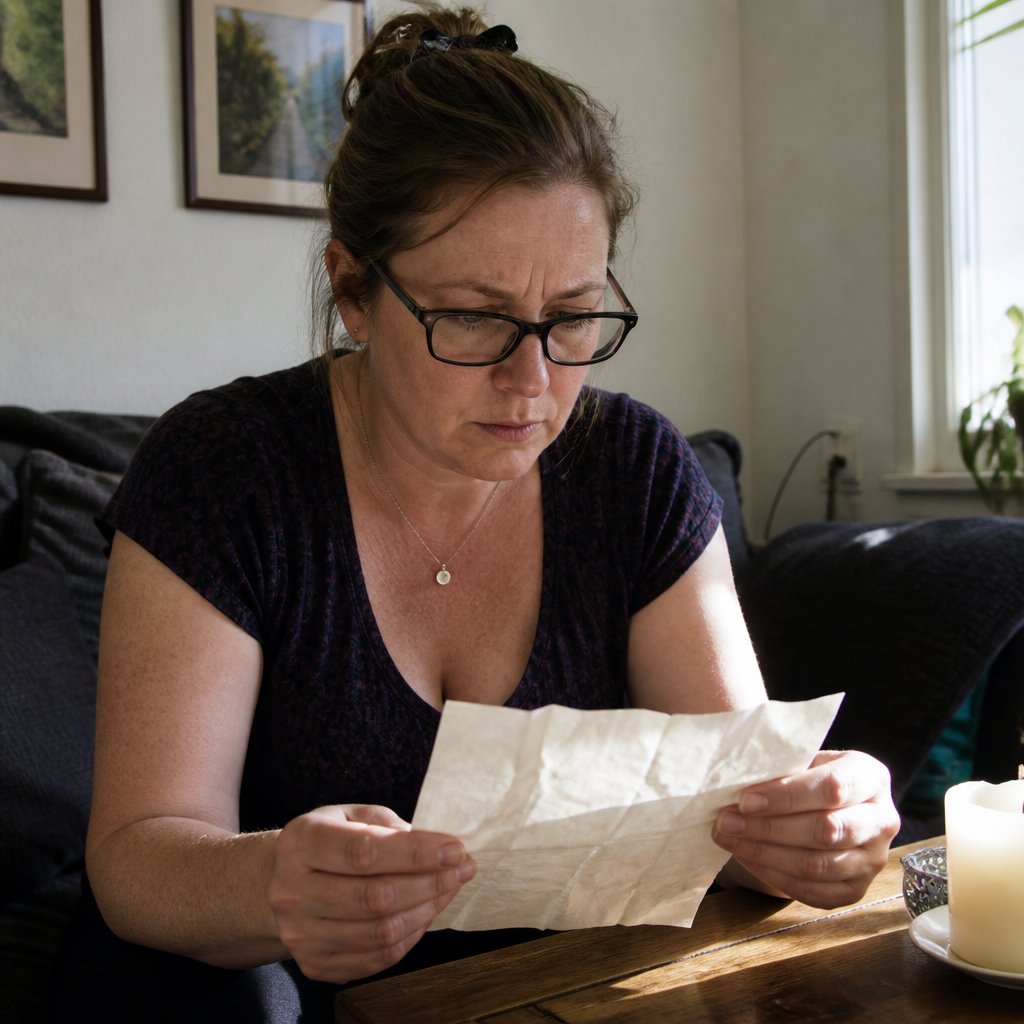
The letter’s tone was urgent. It warned me not to show it to Dad—not yet. There was something delicate about the way it demanded secrecy. The writer, my eleven-year-old self, insisted on privacy until the right time.
Among the lines were three peculiar requests—"proofs" the letter called them—things only I would know. They mentioned a particular mug, a birthmark, and a phrase Mom used when she lost her keys. It was a list designed to convince me, and only me.
My fingers traced the uneven letters as I read them again. The impossible was suddenly tangible. This letter was meant for me, but it came from a version of me that shouldn’t exist. I could feel my heart beat faster, the room smelling faintly of cinnamon from the candle I’d lit earlier.
Verifying Proofs Alone

I started with the mug. It sat on my kitchen counter—a plain white ceramic cup with a small chip on the rim, something I’d had since childhood. I held it up against the light, the chipped edge rough against my fingers.
Next was the birthmark. I hadn’t thought about it much, but the small, irregular patch of darker skin on my left wrist matched perfectly the description in the letter. It was one of those things you forget you have until someone points it out.
The phrase was harder. Mom always said something about losing her keys, but I had to dig through old memories until it clicked—the exact, quirky sentence she used every time. It was buried deep, but it was there.
Then my eyes landed on a line that stopped me cold: "They will say she left. She didn’t." Those words hit harder than anything else. The story I’d told myself forever suddenly felt like a lie.
Instructions To Find The Hollow Book
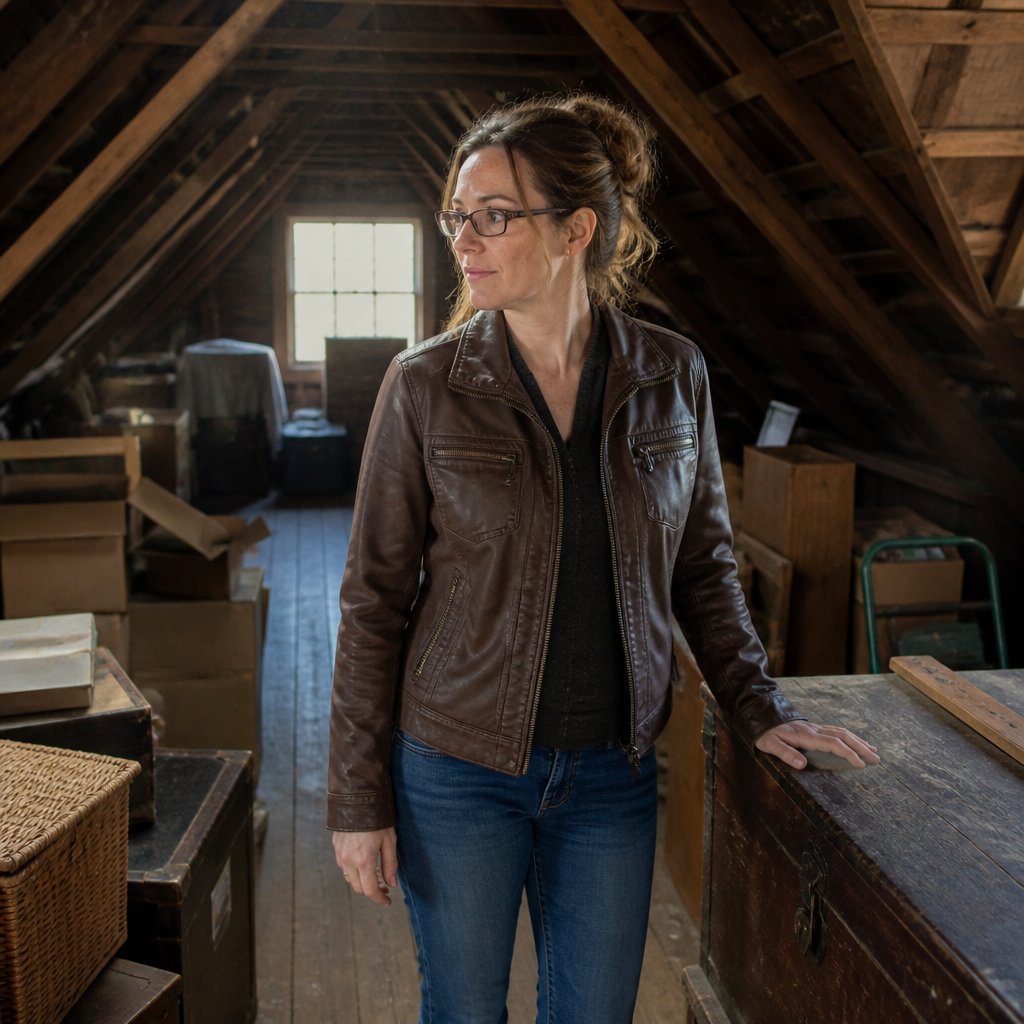
The letter didn’t stop there. It gave me clear instructions: go to Dad’s cedar chest. Inside, hidden in some secret spot, was a hollow book. Within that book, I was supposed to find a case file—Jackson County Case No. 96-CV-3174.
That specificity changed my fear into something more focused—a checklist I could follow. It was like a map leading out of confusion and into action. I ran my fingers over the smudged words, feeling a new sense of purpose mixed with apprehension.
The room smelled faintly of old paper and dust, like the attic where Dad kept his keepsakes. I wondered how I’d find the chest and if it still held secrets after all these years.
The Drive Filled With Unease
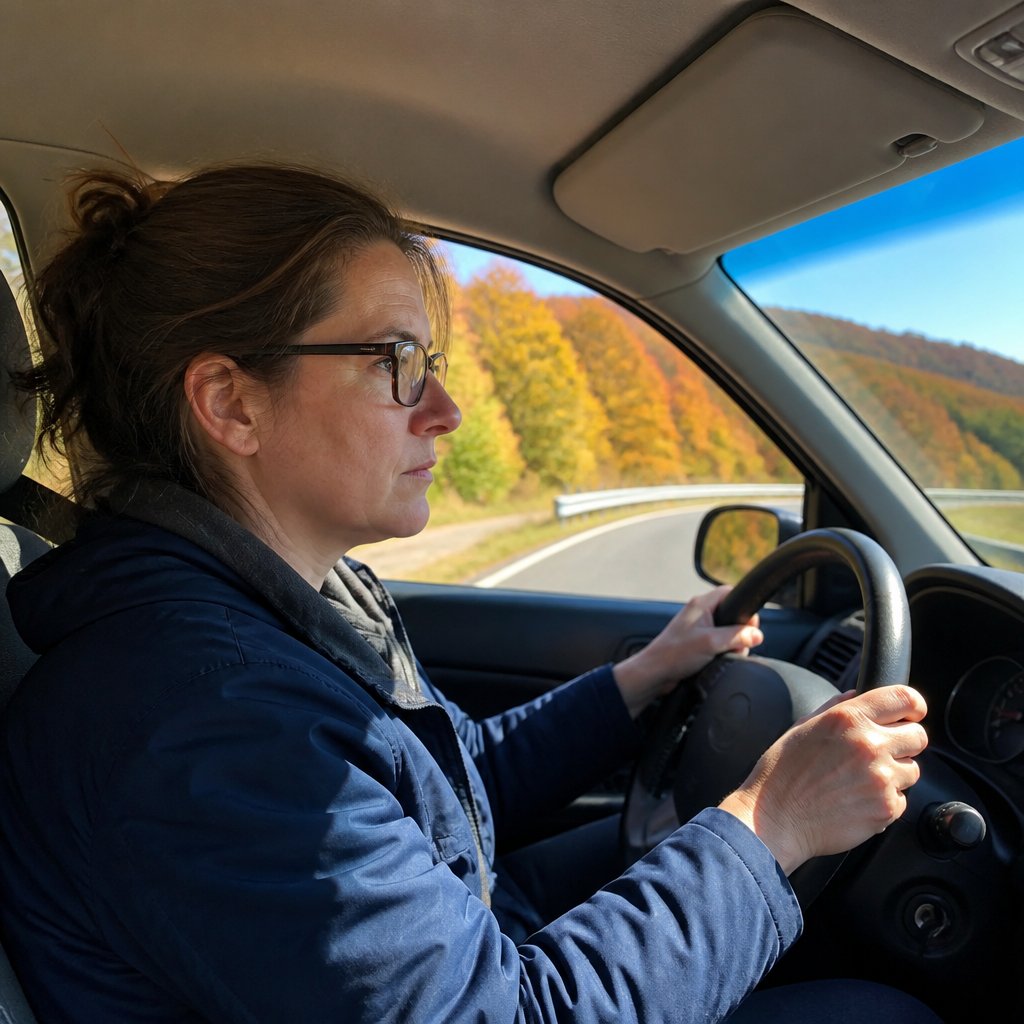
I was driving south toward Medford, the highway stretching ahead like an uncertain path. The autumn leaves outside blurred past in shades of burnt orange and gold. Every mile felt heavier than the last.
I kept thinking about Dad. For thirty years, he controlled the story—what happened to Mom, what we were supposed to believe. I had no idea how he’d react to me challenging that story now.
The air inside the car smelled faintly of pine-scented air freshener, but it did little to clear the tight knot in my stomach. The road was empty, but I wasn’t sure I wanted to arrive at my destination.
Finding The Hollow Book And Evidence
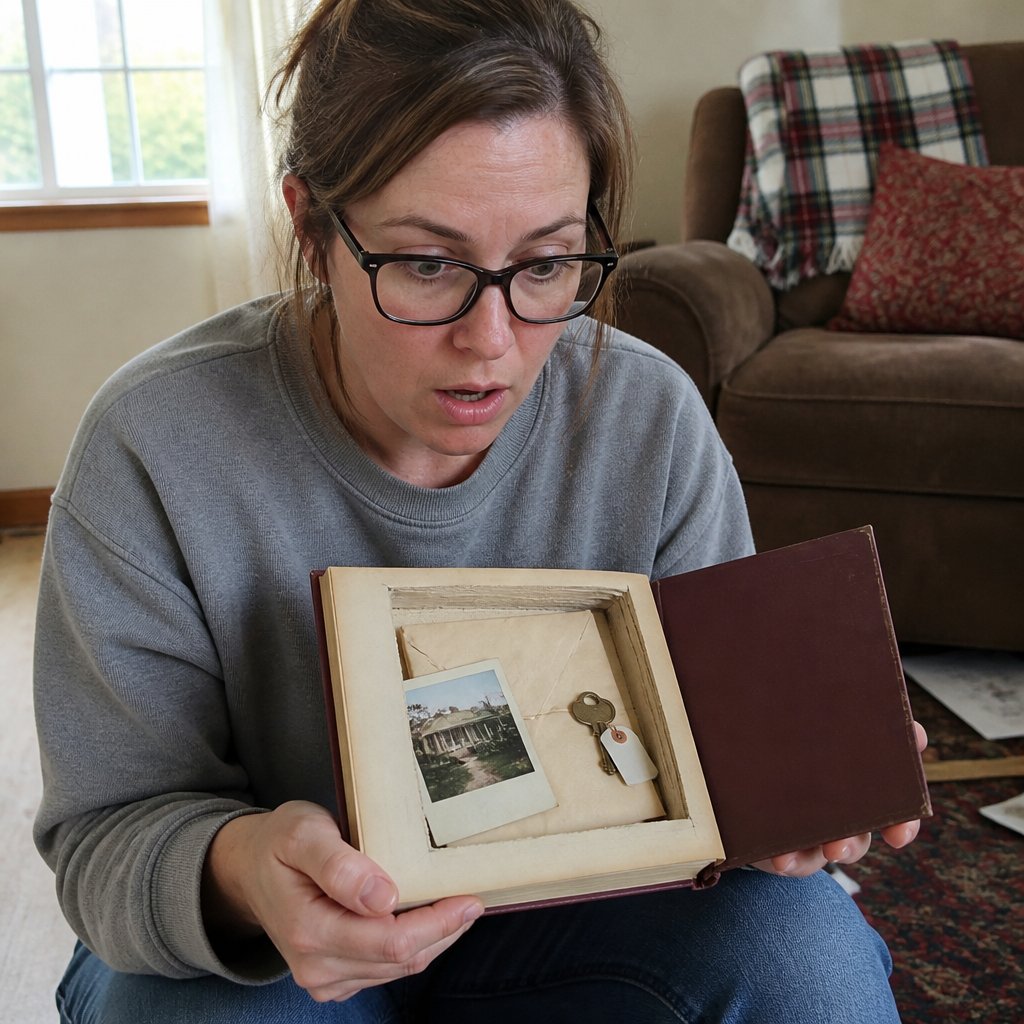
Dad’s house was quiet when I arrived. The cedar chest sat in the corner of the living room, its wood worn smooth by time. My hands trembled as I lifted the lid.
Inside, there it was—a hollowed-out book. I pulled it free and opened it carefully. Tucked inside were three things: the original carbon copy of the same letter I’d received, a small key tagged "UNIT 112," and a Polaroid photo dated October 16, 1996.
The photo showed Mom’s green Toyota parked by a mile marker on Highway 62. Seeing her car there, so ordinary yet frozen in that moment, made something inside me shatter and stir at the same time.
Dad Walks In Unexpectedly
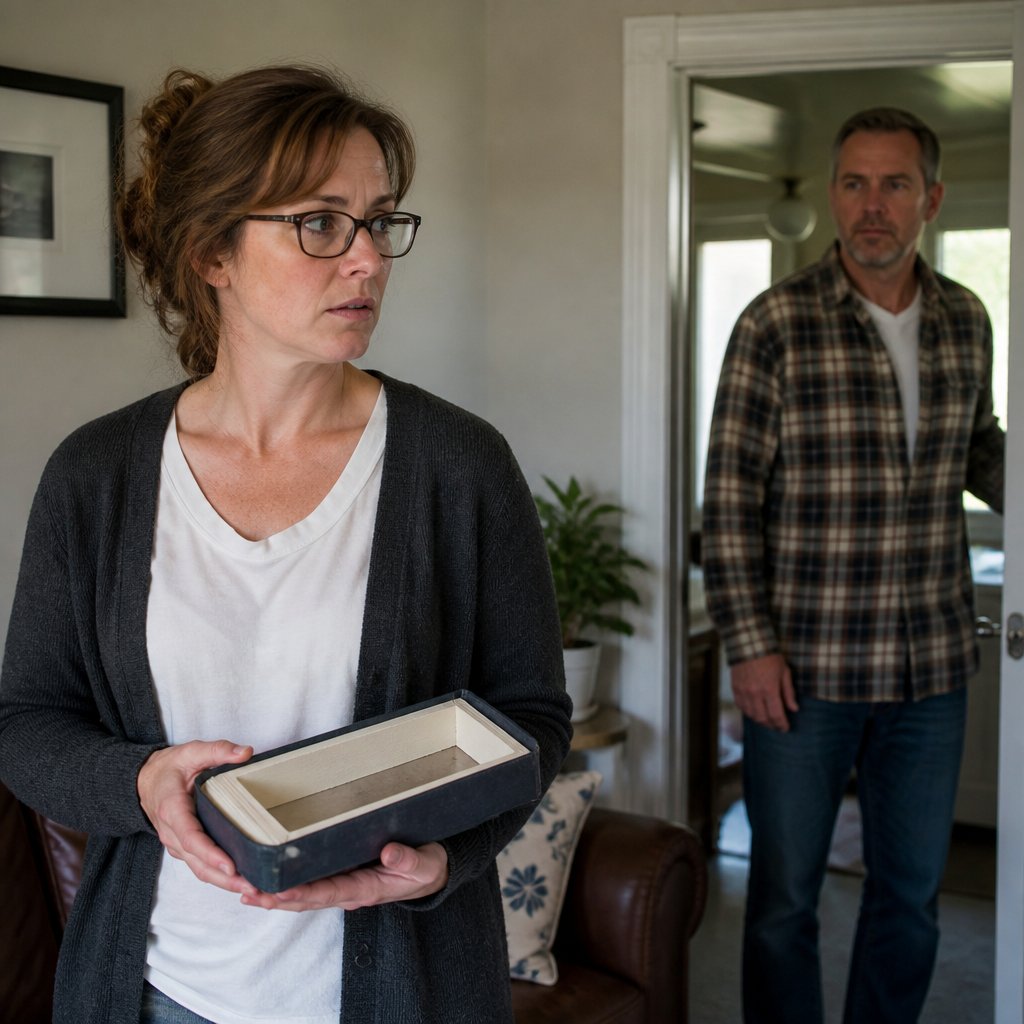
Just as I was examining the key and photo, Dad stepped into the room. He looked older than I remembered, his hair graying around the temples, wearing a plaid button-up shirt and worn jeans.
I panicked and lied before I even thought. I said I was just cleaning up, anything to avoid explaining why I was holding his secrets. His eyes narrowed, but he didn’t press further right away.
The air between us thickened, filled with unspoken things. That lie created a new secret and a silent tension I knew could break apart at any moment.
The Sealed Court Case Wasn’t Missing Person
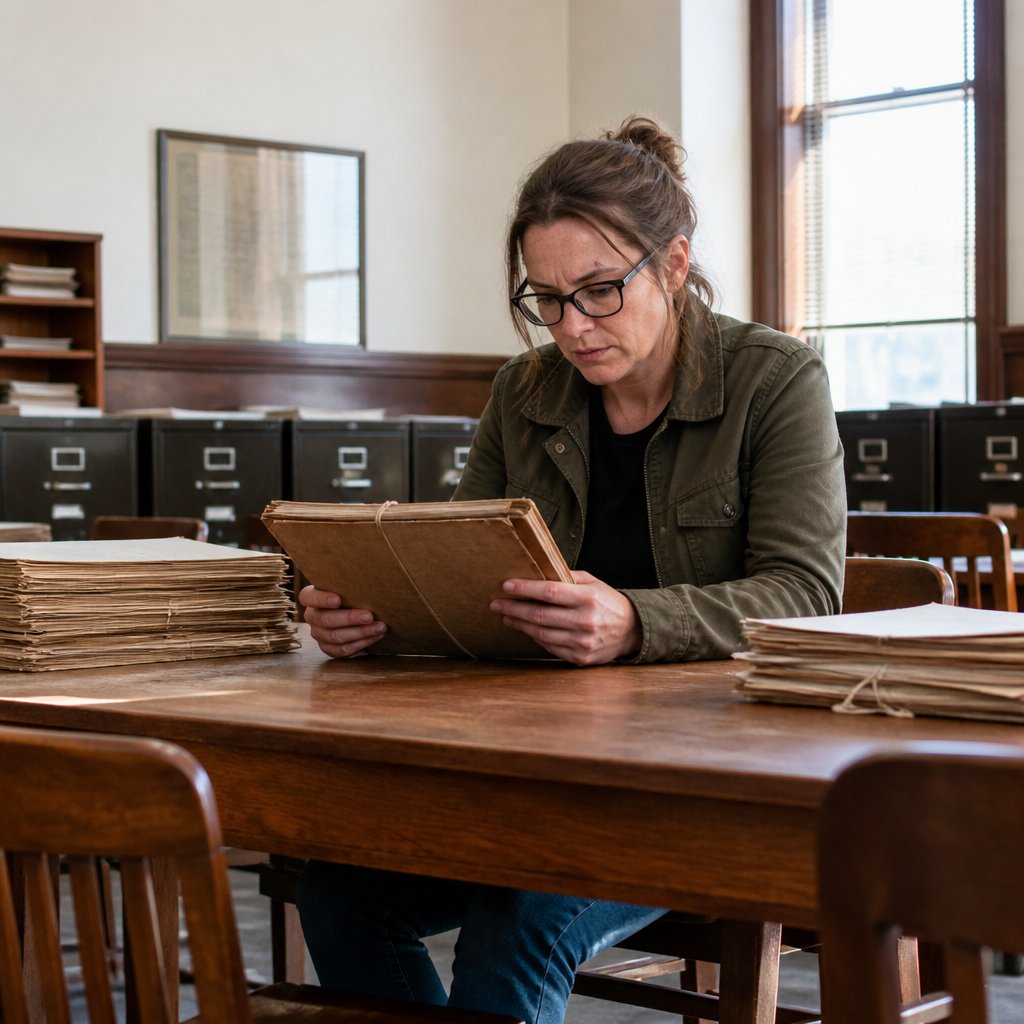
Later, at the courthouse records room, I found the file labeled Jackson County Case No. 96-CV-3174. It wasn’t a missing-person file like I expected.
Instead, it was a sealed petition from 1996 for a name change. The petition used Mom’s first name and also included my grandmother’s maiden name. That detail puzzled me—it tied my family’s history in a way I hadn’t seen before.
The faded paper smelled of old ink and polished wood from the courthouse. I stared at the file and felt the steady thump of my heart in my ears. This wasn’t just about someone walking away. There was something much deeper hidden in plain sight.
An Unsealed Attachment Revealed
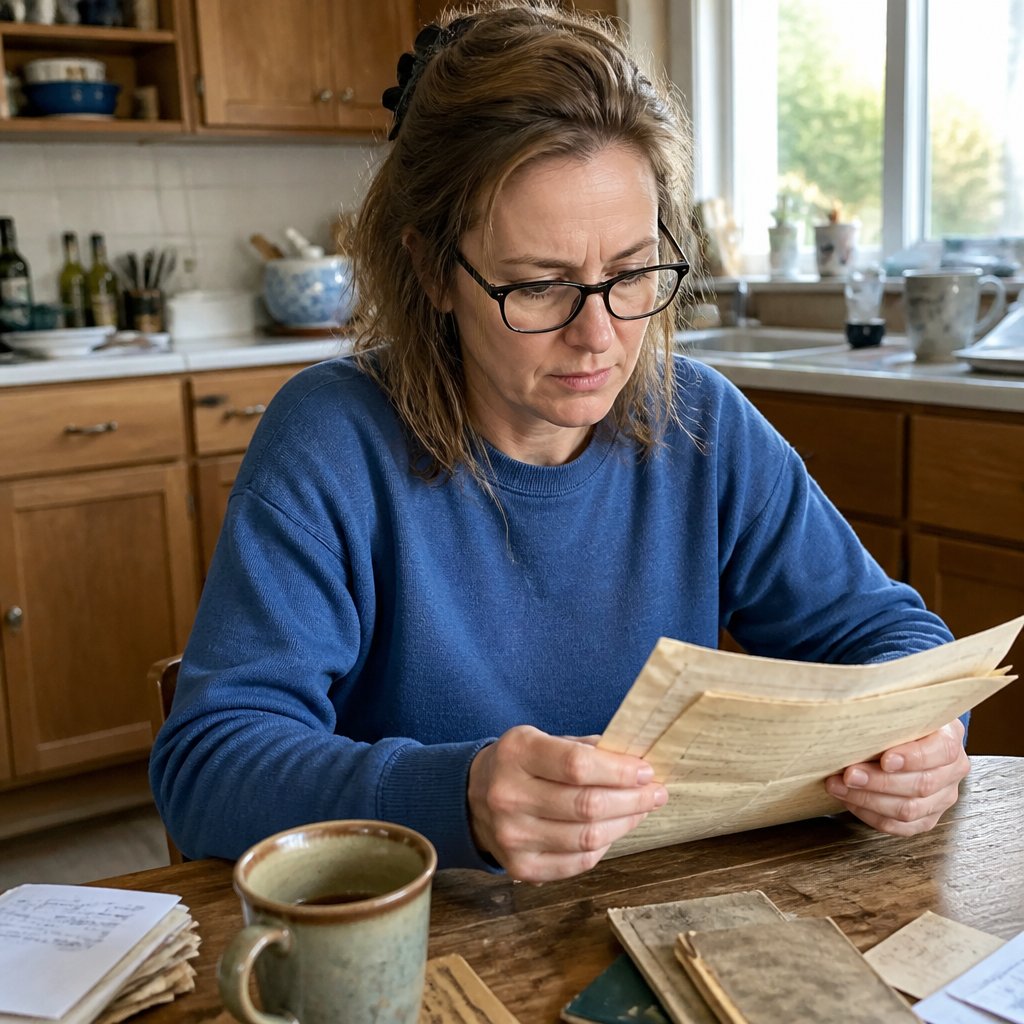
The envelope contained more than just the letter. Tucked inside was an unsealed packet of papers, their edges curled and soft from age and moisture. As I sifted through them on the kitchen table, one document caught my eye—a storage unit contract dated years ago. It referenced Unit 112, signed under an unfamiliar initialed name but with my handwriting. A separate sheet detailed a vehicle title transfer, notarized at a check-cashing place on Riverside Avenue, somewhere I hadn’t been for years.
The paper felt fragile under my fingers, water stains blotching the edges. I traced the signature lines and the neat scrawl that was unmistakably mine but younger, less sure. The contract’s ink was faded but still legible. The address for the notary was familiar but no longer existed—some old business wiped from the map.
I sat back in the creaky kitchen chair, the faint smell of brewed coffee lingering. How could these papers have been tucked away all this time? And why had Mom kept them hidden, unsealed yet forgotten? I had more questions than answers. The past was reaching out with cold, faded signatures, but what did it want from me now?
The Vapor Shop Clue
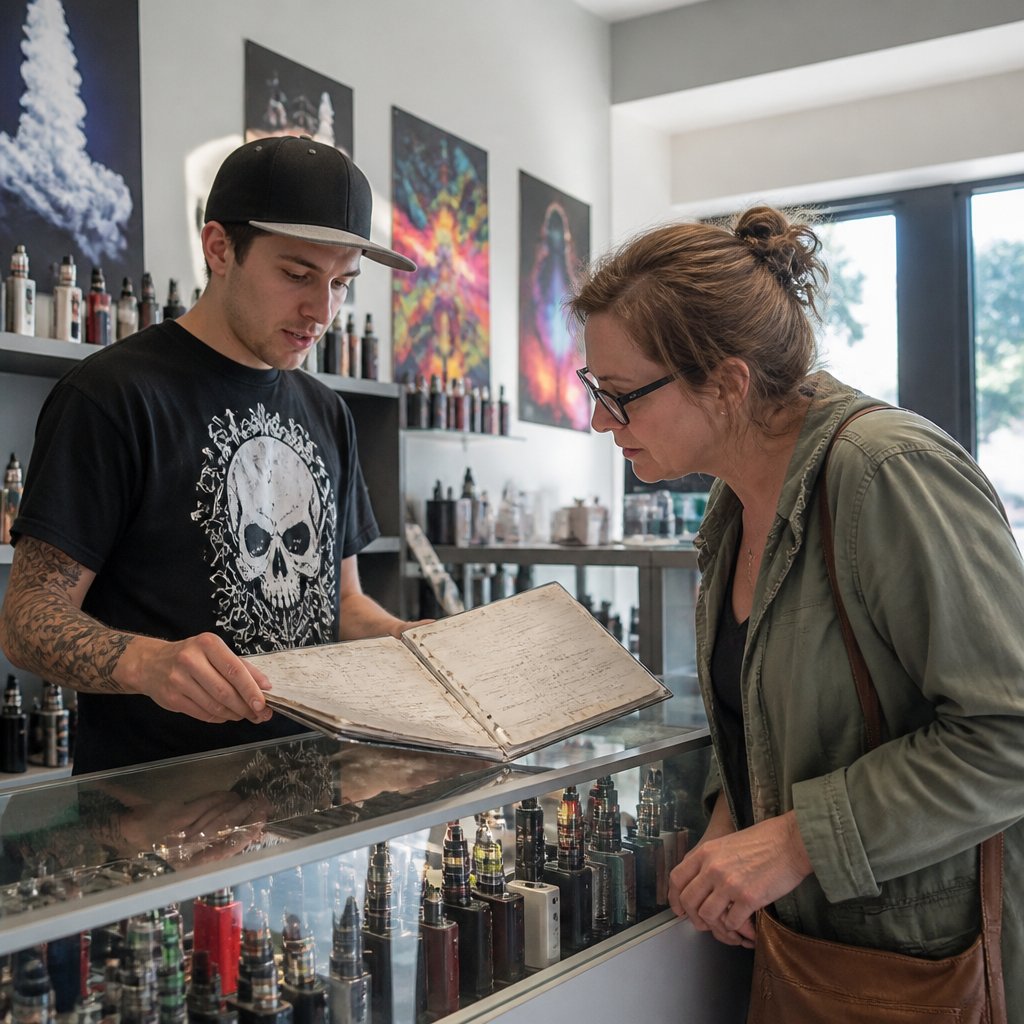
I made my way to the Riverside Avenue address, now a small vape shop with a glowing neon sign that buzzed faintly against the quiet street. The clerk was a young man in a graphic tee and baseball cap, looking more curious than annoyed by my questions. I explained I was trying to find records from the old check-cashing place that once stood here.
He nodded and disappeared into a cluttered back room. When he returned, he handed me a worn binder taped up from years of use. I flipped through yellowed license records, some barely holding together. The pages were taped, creased, and fading. Then, finally, one line caught my eye: the notary’s full name. A real person I could chase.
The smell of e-liquid hung heavy in the air mixed with the faint scent of plastic packaging. I stood near the counter, my fingers tracing the letters on the paper, heart beating faster. This could be the lead I needed—or the start of something I wasn’t ready to face.
The Notary’s Cold Call
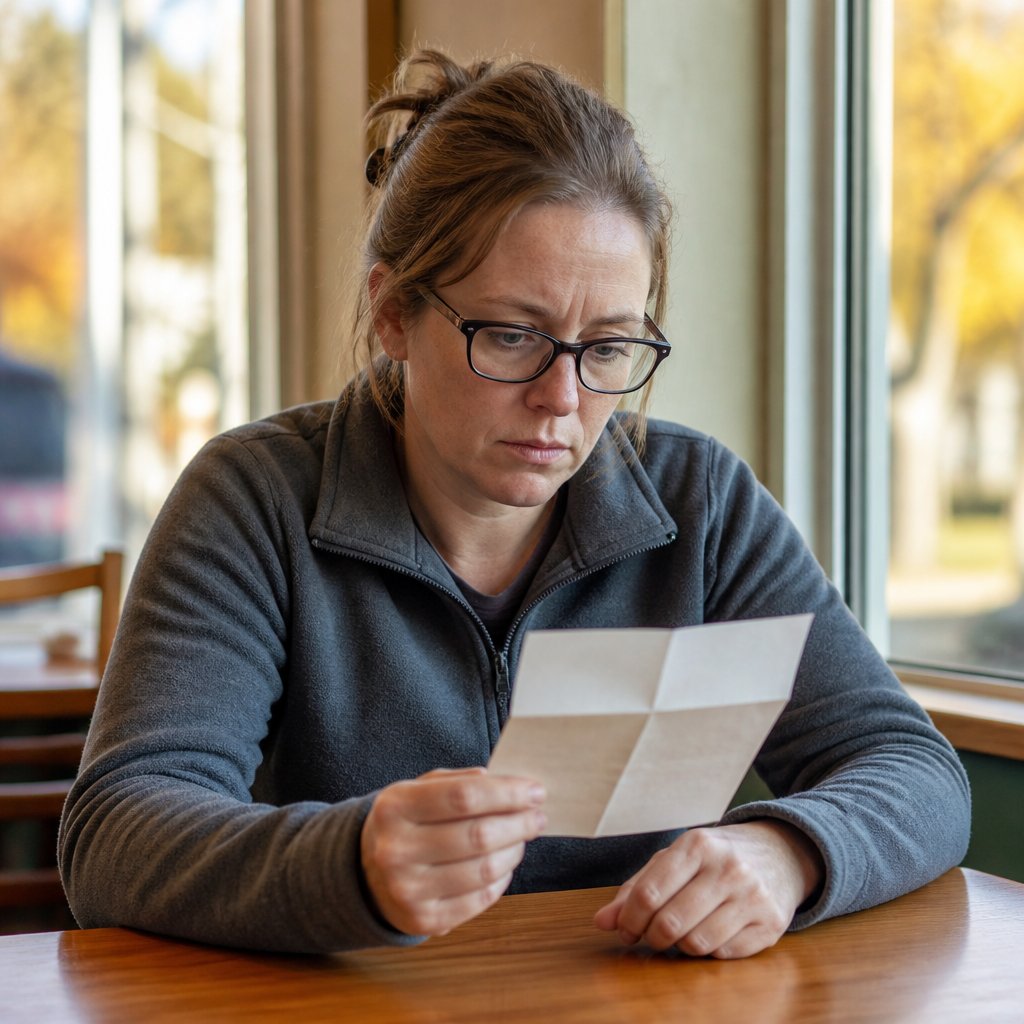
I tracked the notary to a small town called Grants Pass. After a day of waiting, my phone rang. The voice was curt and cautious, no warmth behind the words. When I shared the letter, she hesitated and then said she wouldn’t discuss anything over email.
"Bring the letter," she said simply. "I can’t talk without it." Her tone suggested the paper itself held power—some kind of evidence or threat. The line clicked dead before I could press for more.
The late afternoon sun filtered through the café window as I sat there, the letter folded carefully in my bag. The faint clink of cups and murmur of strangers surrounded me, but I was alone with a growing knot of dread. What had I brought on by chasing this notary? And why was the letter so important to her?
The Notary’s Shaken Memory
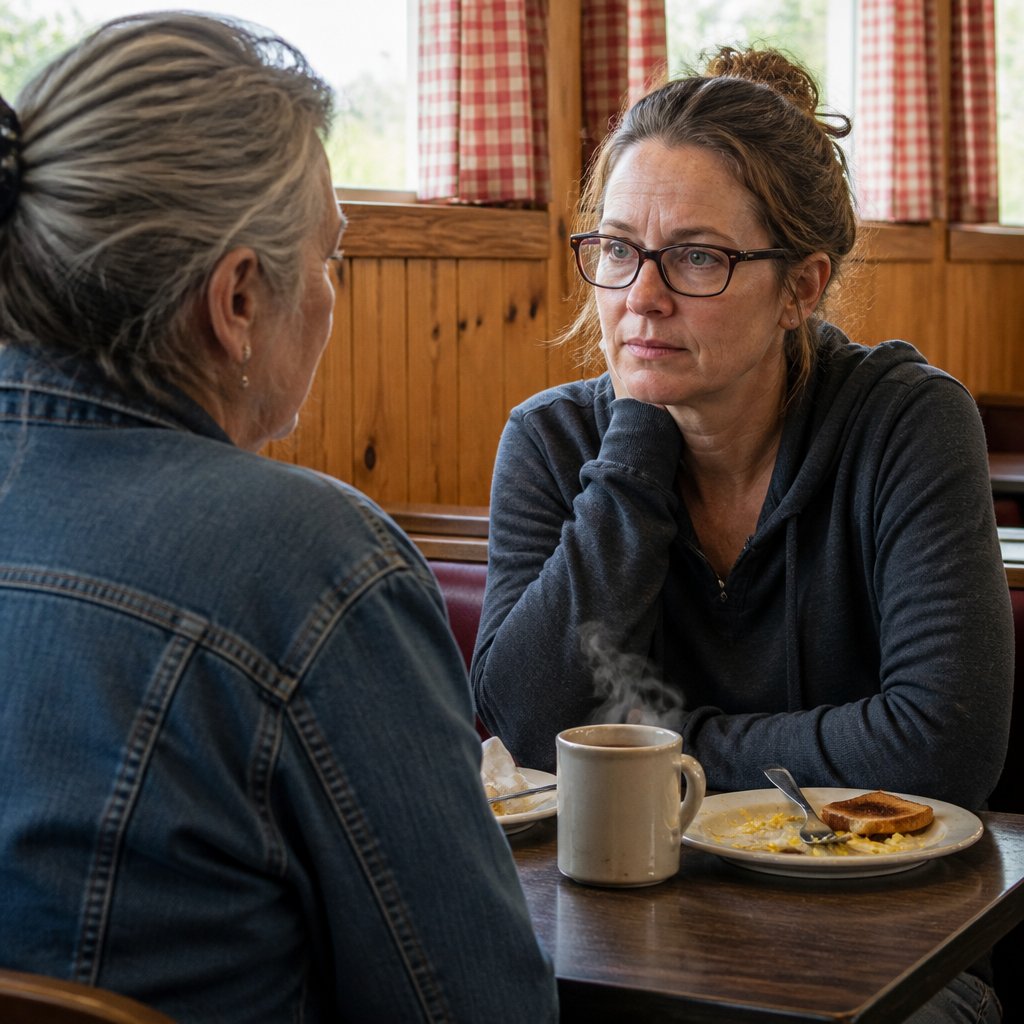
We met at a rundown diner near the edge of town. The notary was a woman in her late 50s with streaks of gray in her dark hair, wearing a faded denim jacket. As we sat across from each other, she went pale when I showed her the letter’s postmark, OCT 17, 1996, Medford.
Her hands trembled as she described that day. "There was a woman," she said quietly, "sobbing so hard I thought she wouldn't sign anything. A man spoke for her. His hands... nicotine-stained, and one finger—missing the tip. I remember because it was so strange." Her eyes flicked away, distant.
The clatter of dishes and the smell of frying bacon surrounded us. I swallowed hard, trying to piece together who this man might be. The missing fingertip matched a shadow from my earliest memories, a man I'd tried to forget. Why was he here, then? And what had he done that day?
A Warning In The Letter
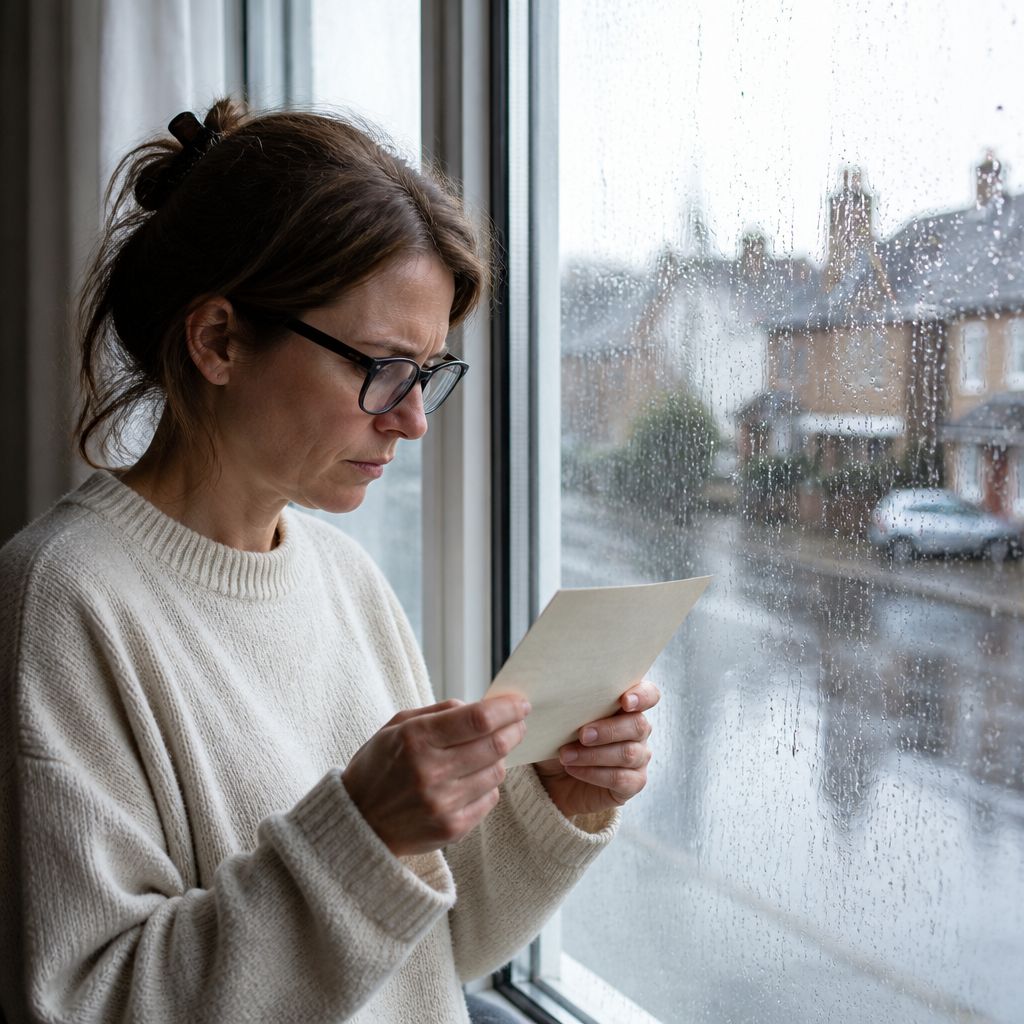
Back home, I reread the letter. The neat handwriting suddenly tightened, words becoming sharp and urgent. It warned me: "Do not go to Unit 112 alone." The note named a date—October 22—just five days away.
My hands gripped the paper, the thin fibers rough under my fingertips. The silence in the room felt thick, oppressive. I couldn’t shake the feeling that someone was watching, waiting for that day to arrive.
Outside, rain tapped softly against the window, a steady rhythm that echoed my quickening heartbeat. The warning felt less like a caution and more like a threat. What could possibly be waiting inside that unit? And who had written this desperate message over two decades ago?
Evidence From Nineteen Ninety-Six
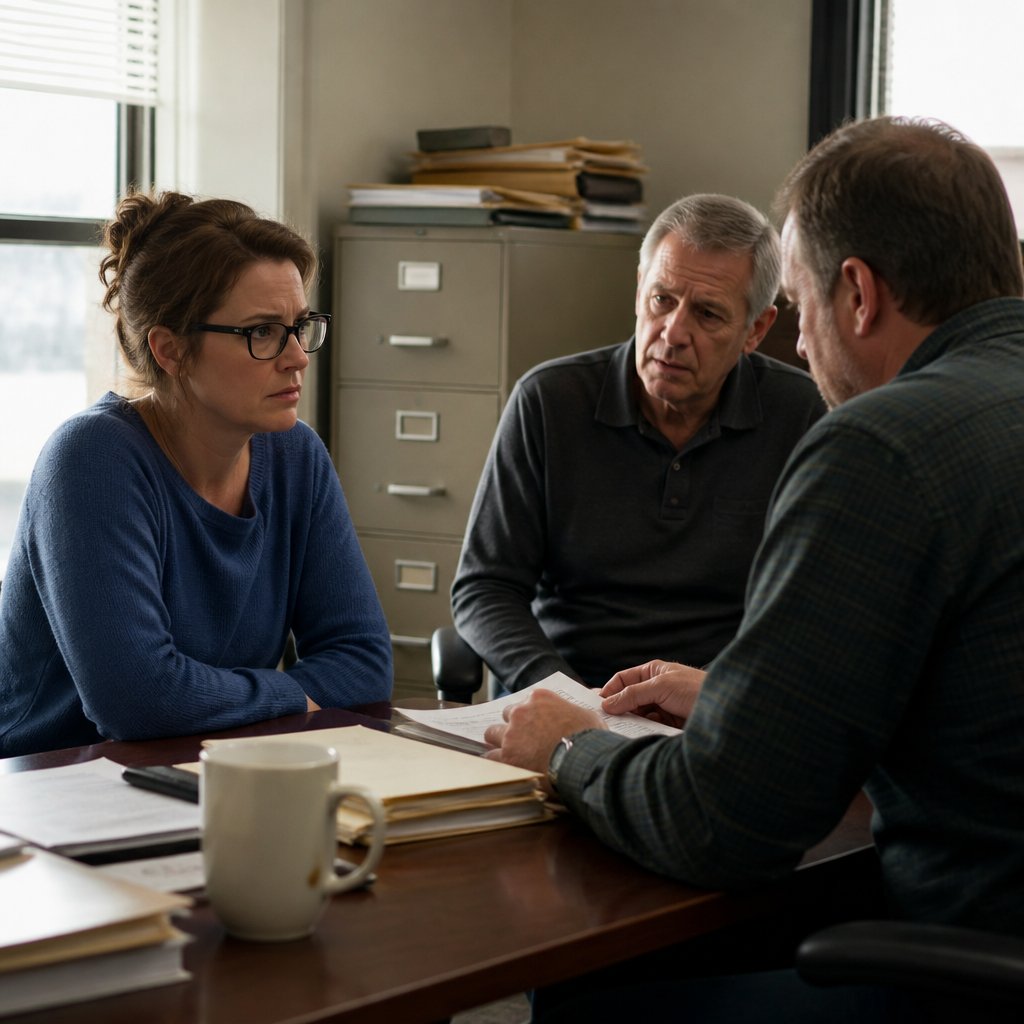
I sat stiffly in the small, cluttered office of the sheriff’s department, the air smelling faintly of old coffee and paper. Detective Ruiz pulled out a worn file with yellowed papers, his eyes narrowing as he spoke. “Looks like the evidence log was off—this envelope wasn’t recorded until last year.”
My heart tightened. “Why would that happen?”
Ruiz glanced at my father sitting beside me, who shifted uncomfortably in his chair. "Your dad admitted he got a letter from Maren back then, but he buried it. Didn’t want anyone to see it."
I glanced back at the envelope—my handwriting, but from a time when I was just eleven. The detective pulled out a sheet marked with a faint watermark. “These papers? They came from a local office supply store. It’s not just a coincidence. Someone constructed this breadcrumb trail deliberately.”
The scent of stale paper filled the room as I struggled to understand the meaning. Who had pieced this all together, and why? The answer seemed to hinge on what was waiting at Unit 112 on October 22—but now, with this new information, the stakes felt higher than ever.
The Memory Of A Store Clerk
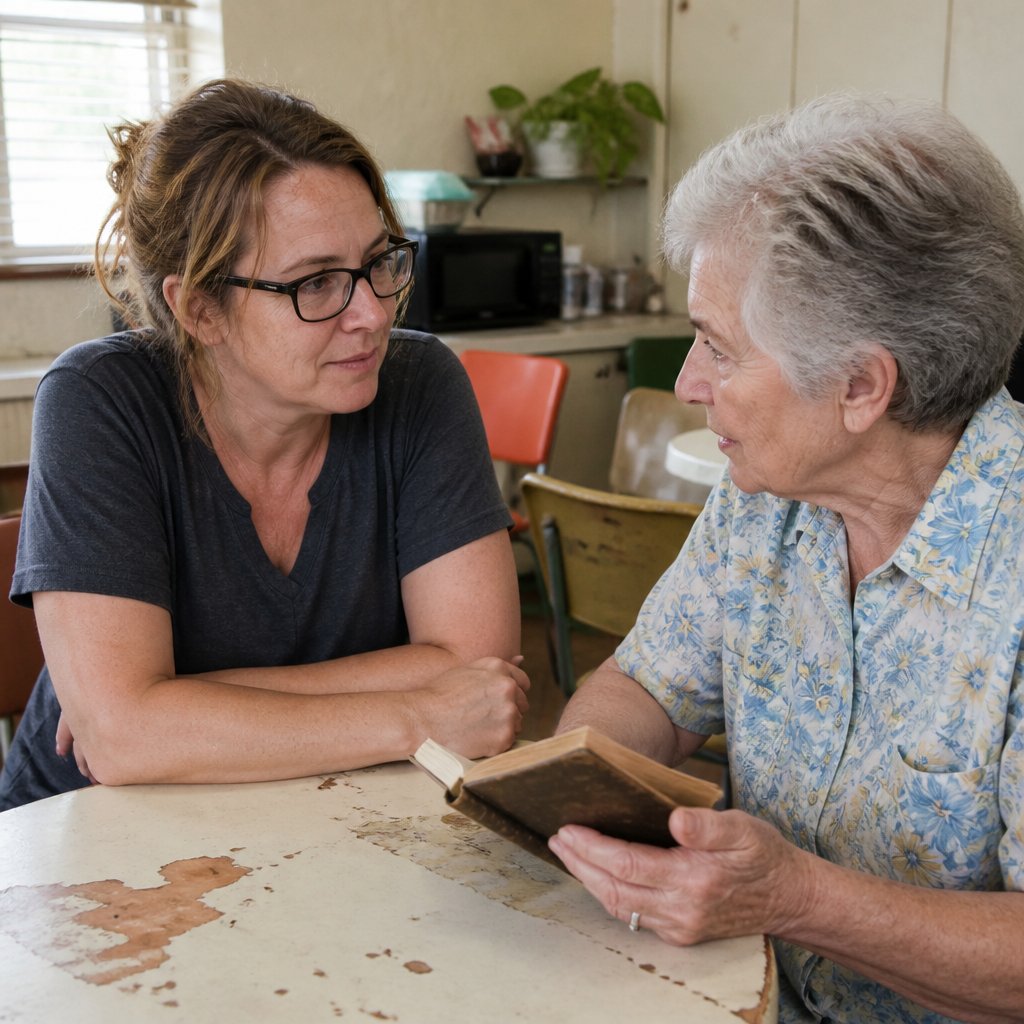
Later that week, I met with Janet, a retired employee from the local office supply store. We sat in the tiny break room filled with faded posters and lingering scents of coffee. Janet's hands trembled slightly as she recalled, "About twenty-five years ago, I saw a woman come in with a little girl. She had light brown hair clipped messily, and a small crescent-shaped scab under her eyebrow. I remember because that girl picked out a specific kind of paper with a watermark."
Hearing her describe the girl made a knot tighten in my chest—it matched me perfectly.
Janet paused, then added, "The woman paid in cash and seemed nervous. She said the girl was helping because adults might ignore her words otherwise."
Suddenly it clicked. My mother had used me — my handwriting, my voice — to send messages that would be taken seriously. The plan wasn’t random; it was a tactic designed to fool anyone who’d dismiss an adult’s warnings but might listen to a child’s plea.
But that raised more questions than answers. Why would my mother go through all this trouble, and who else was involved in this carefully crafted puzzle?
Reopening Old Wounds
The case was officially reopened with a more serious classification. I remember standing outside the courthouse, the air sharp with fall chill. The storage unit—Unit 112—was now sealed off as evidence. What had been a quiet mystery now spilled into public scrutiny.
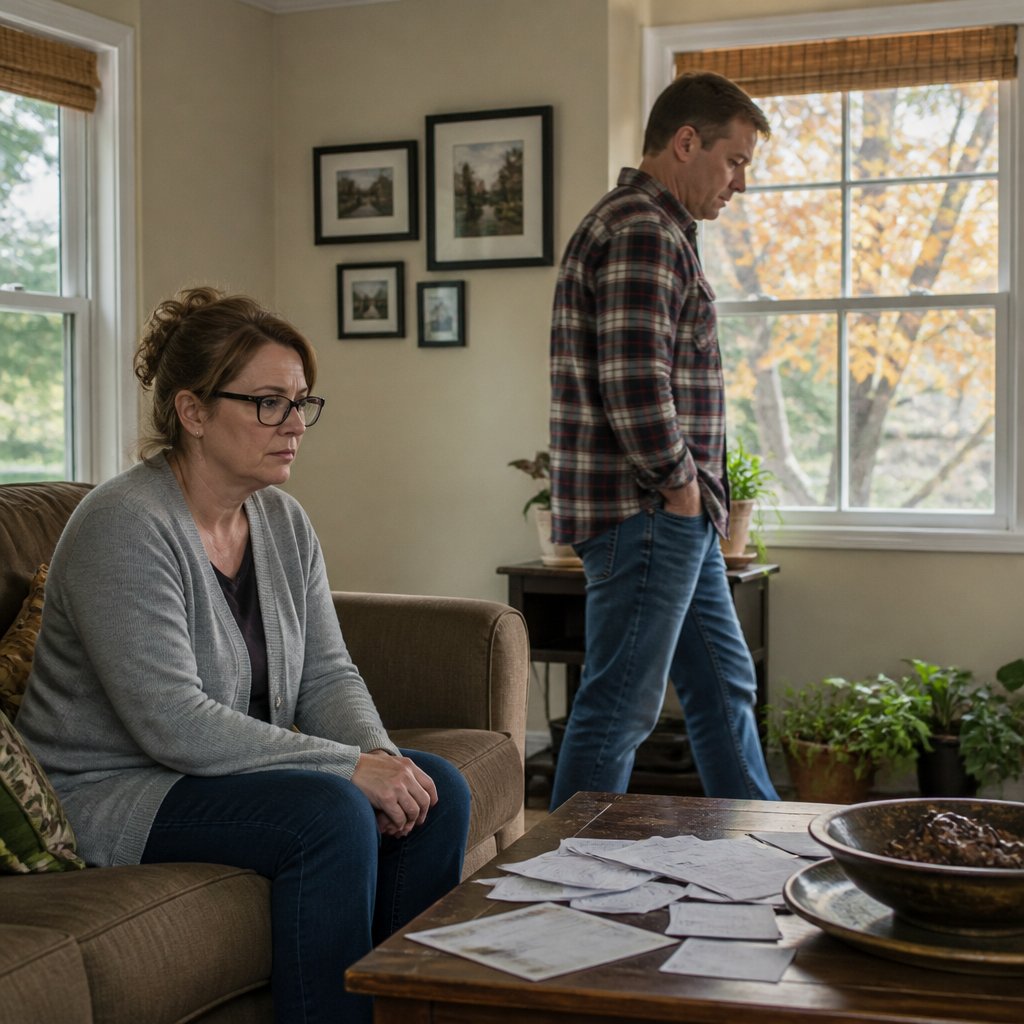
At home, the strain was palpable. My husband paced in the living room, his face tight with worry during interviews. The waiting wore on us both. Our marriage, built on trust and routine, felt fragile under the weight of questions and silence.
And my father’s role shifted dramatically. No longer the unquestioned narrator of 1996 events, his story came under scrutiny. Was the man I trusted hiding things? The lines between truth and deception blurred, leaving me uncertain who to believe.
Every corner of my life seemed caught in the tension, with new revelations promising even more upheaval. The date at Unit 112 loomed ahead, a turning point I couldn’t avoid.
A Letter’s Unanswered Mystery
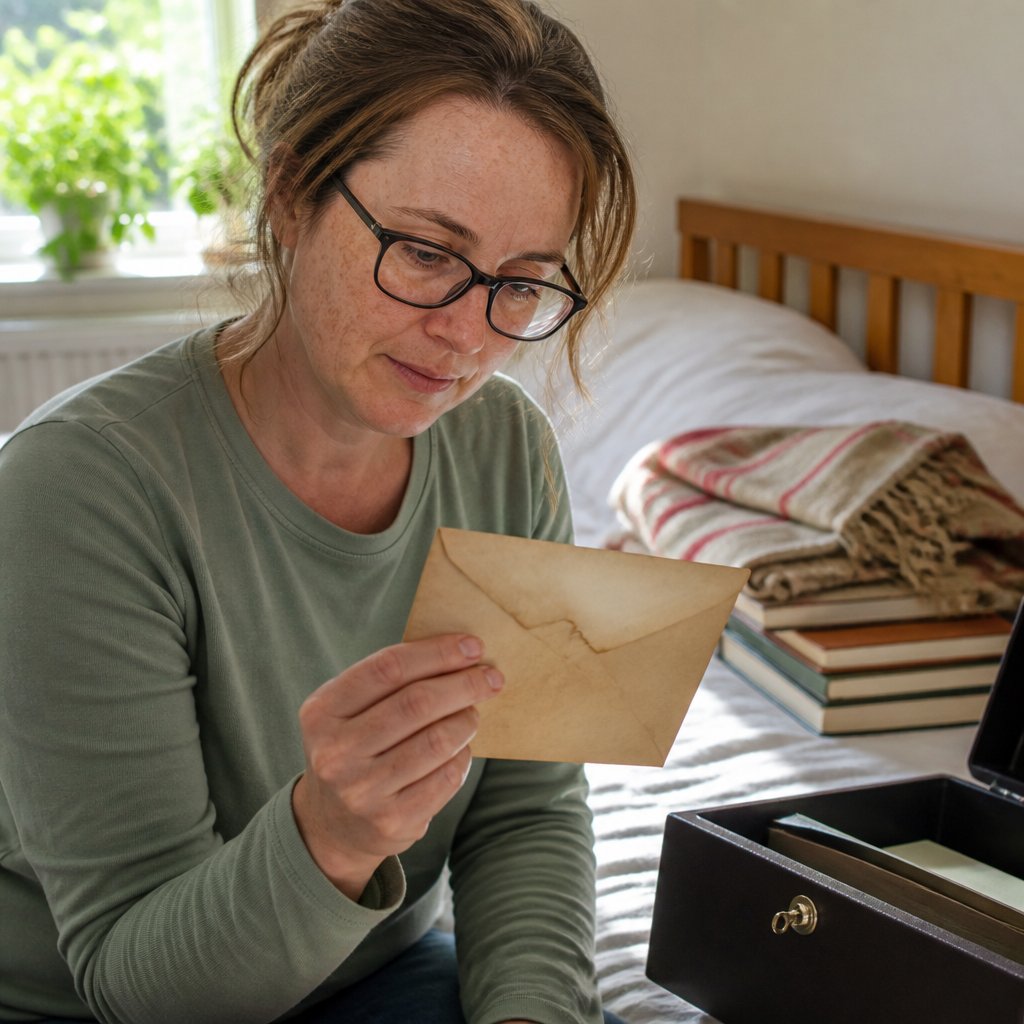
Now, the 1996 envelope rests safely inside a fireproof box I keep locked in my bedroom closet. Every time I see its creased, water-stained surface, I’m reminded of the mystery that still clings to it.
My mother remains missing, a shadow that stretches across years and unanswered questions. And the most impossible puzzle of all endures: who mailed a letter in 1996 to an address I wouldn’t have for another thirty years?
That question hangs in the air, heavier than any answered. The uncertainty gnaws at me every day, a silent presence in the background of my life that refuses to be forgotten.
As I run my fingers over the faded handwriting, I wonder if the truth is still out there—waiting, just beyond reach.
Who do you think sent the mysterious 1996 letter?