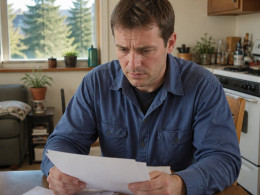




The Shift That Changed Everything
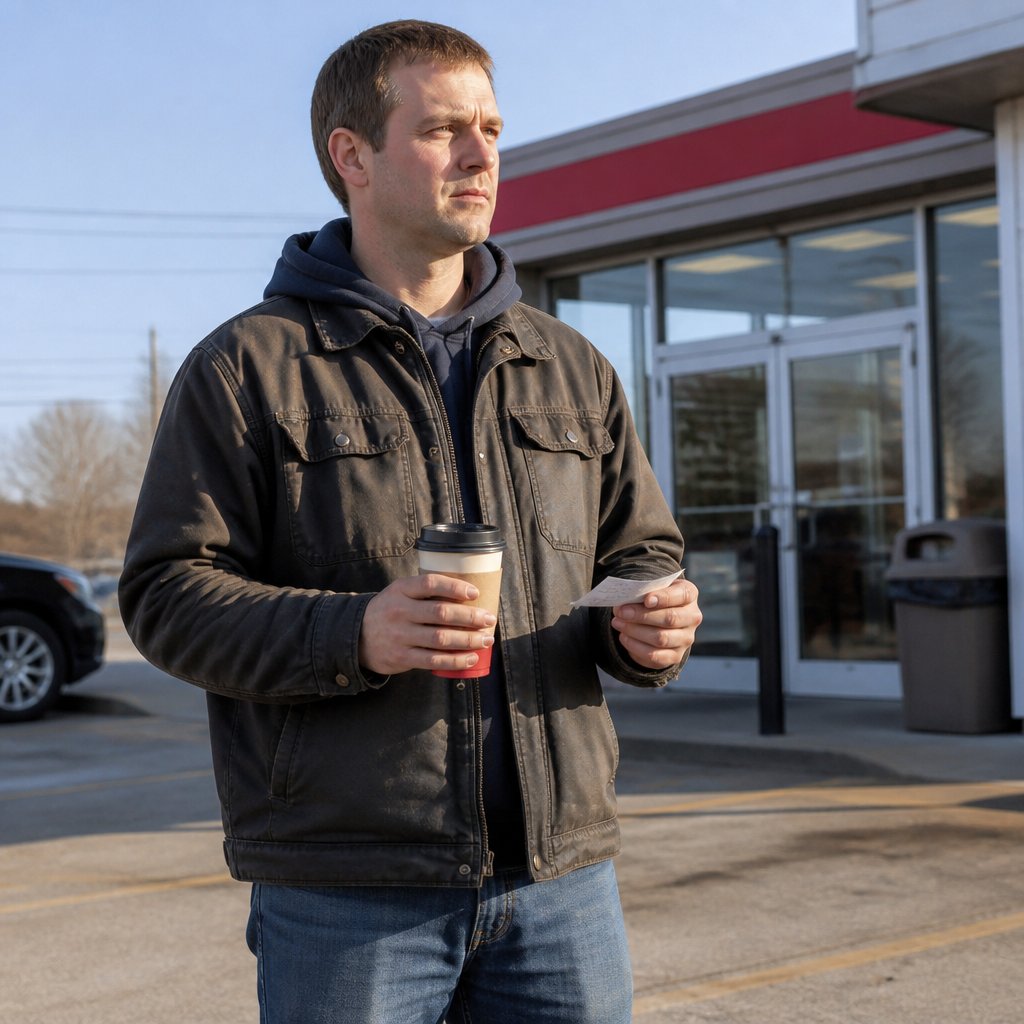
I had just finished a long graveyard shift at the warehouse. My legs were stiff, and the buzz of fluorescent lights still echoed in my head. On a routine stop at the Speedway on Larkin Avenue, I grabbed a coffee and asked for a Quick Pick lottery ticket like I always did. The clerk was a woman in a red hoodie, focused on the register, barely glancing up as she handed me the ticket.
The smell of fresh coffee mingled with the faint scent of gasoline as I stepped outside. I slid the ticket into my wallet, thinking about the long day ahead and the hope that maybe, just maybe, this little habit could pay off. But I never imagined that this ordinary routine was about to turn into something far bigger than me.
As I walked back to my car, a nagging feeling settled in my chest—something felt different about this ticket, but I couldn’t put my finger on it yet.
The Screen Flashed "WINNER"
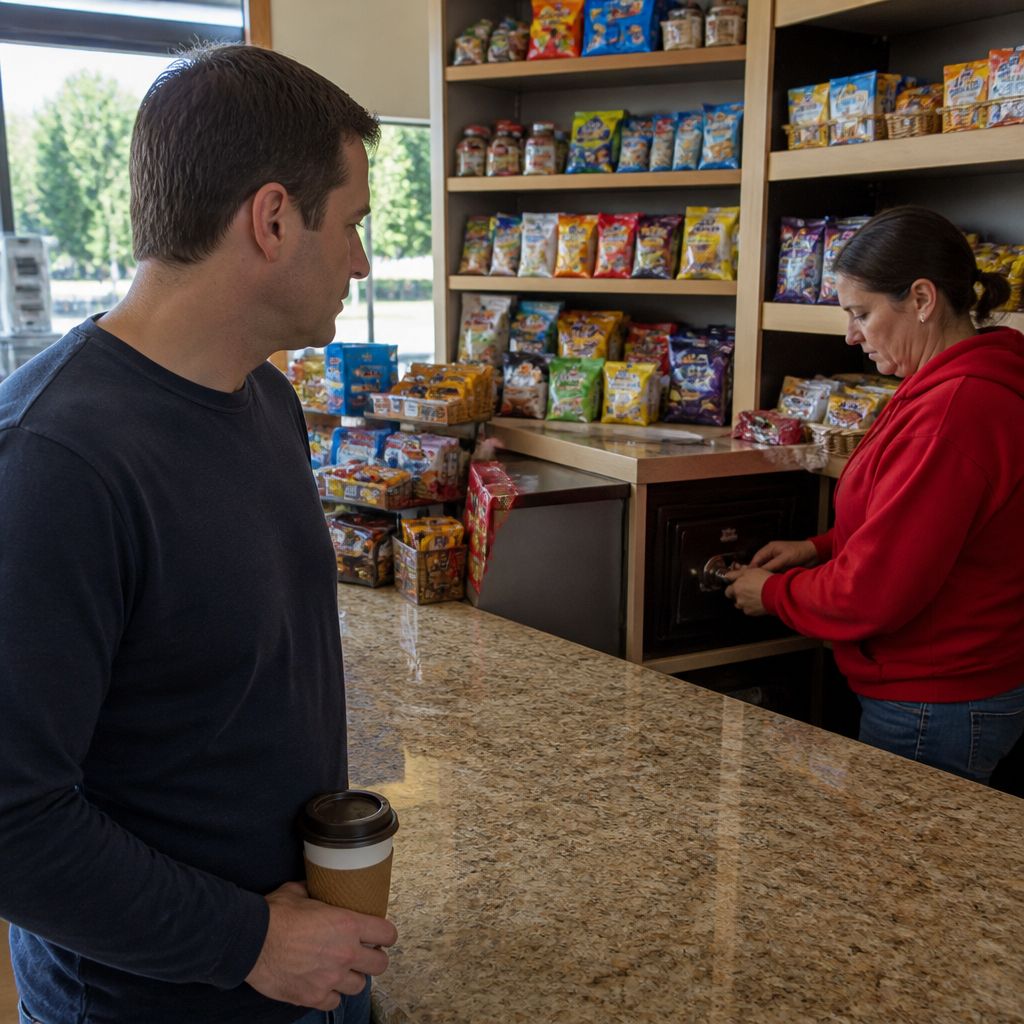
I walked back inside the Speedway and went straight to the counter where the clerk was wiping down the register with a rag. I pulled the ticket from my wallet and slid it under the scanner. The screen flashed “WINNER” in bright letters. My heart skipped a beat.
Instead of a smile, the clerk’s face tightened. Without a word, she picked up the phone behind her and quietly called someone. The noise of the store faded as I watched her lock the ticket away in a small safe behind the counter.
The air had a faint smell of gasoline mixed with the wax from the floor. I wondered why they were treating my ticket like contraband. No one said a word. I was left standing there, clutching my coffee, with more questions than answers.
The Office Where Time Stood Still
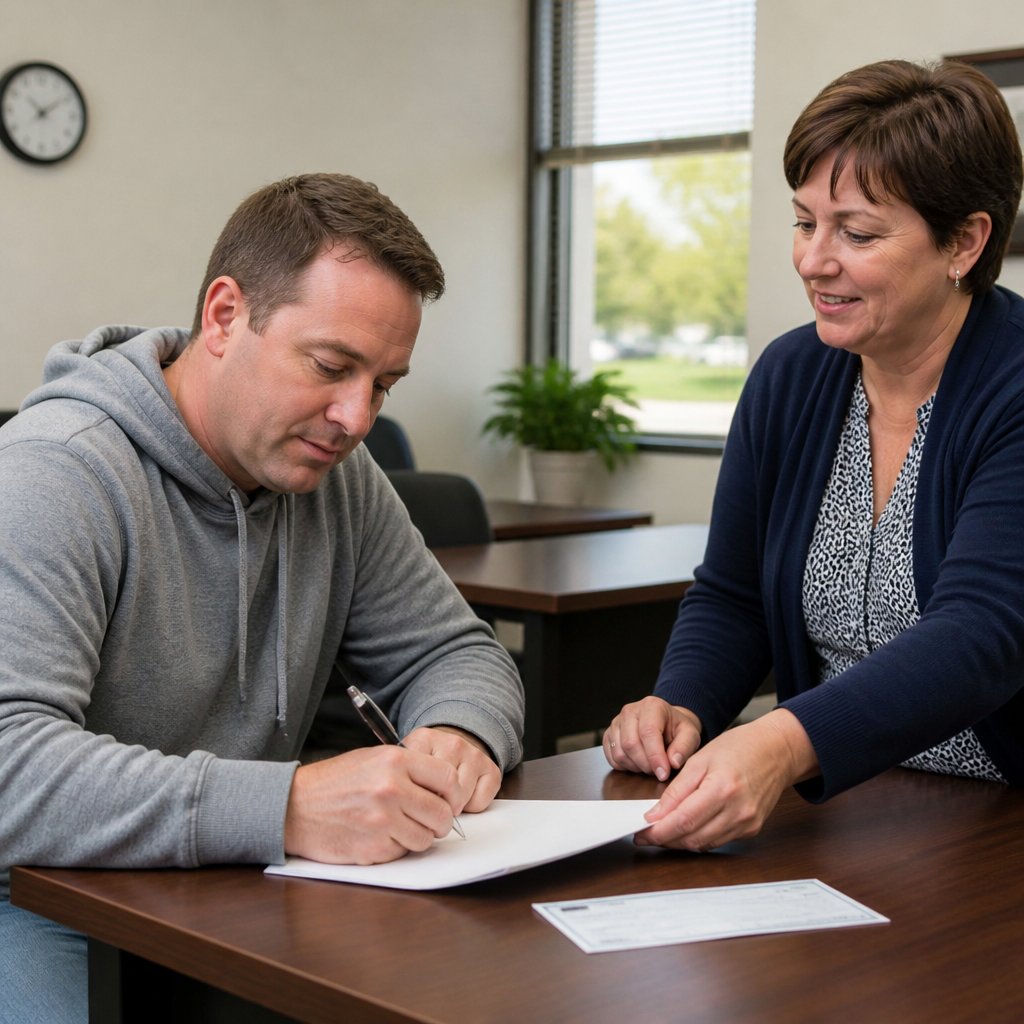
At the Illinois Lottery office in downtown Chicago, I signed a stack of forms without fully understanding what I was agreeing to. The waiting room had old magazines on a plastic table and the faint smell of cleaning solution.
No one rushed me, but the silence felt heavy. When I finally met the claims officer, she smiled politely and handed me a check for $1.8 million. My mind reeled, but the odd behavior at the store didn’t add up. Why act like the ticket was some kind of evidence if this was just a normal win?
The check sat heavy in my hand, the paper rough against my skin, but the weirdness lingered. Was something else going on behind the scenes? I left wondering what I had really gotten myself into.
Another Quick Pick, Another Shock
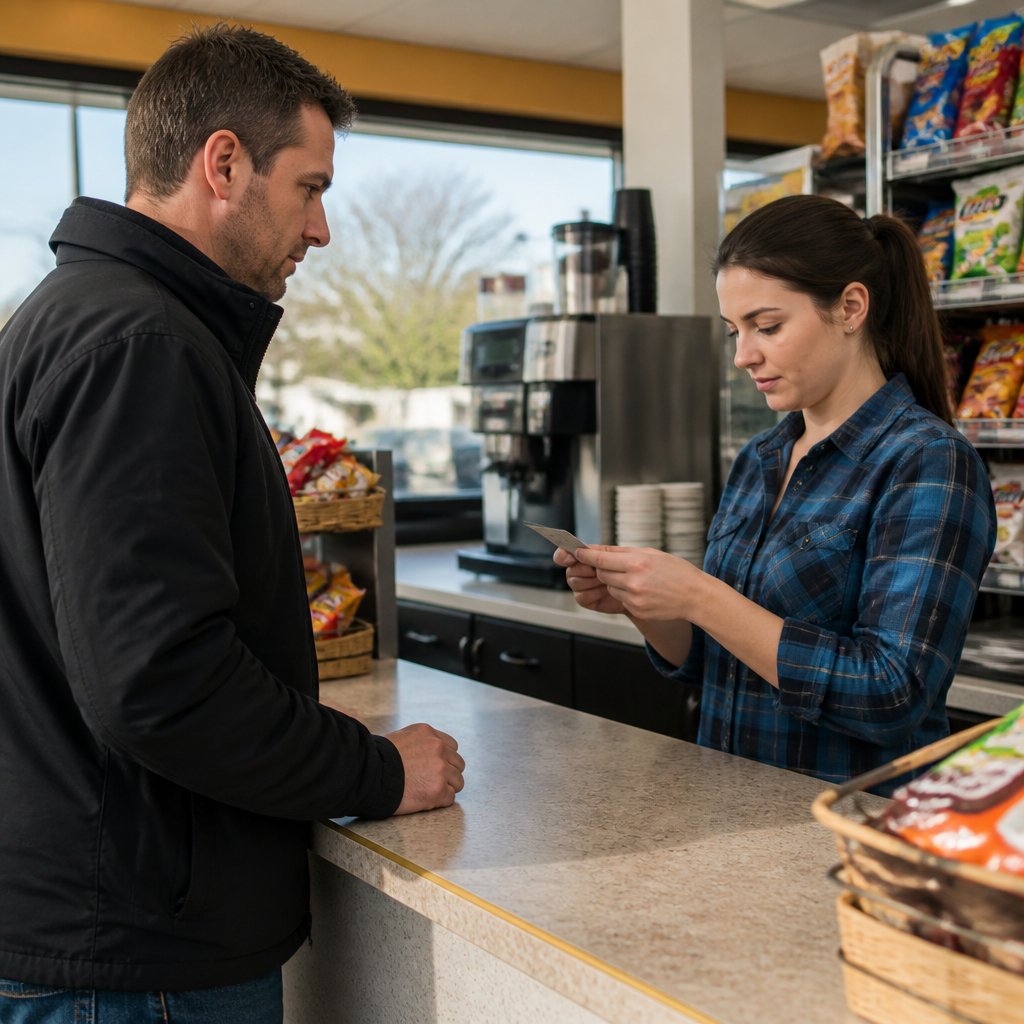
Nineteen days later, after another shift, I was back at the same Speedway. The familiar hum of the coffee machine greeted me, but the clerk was different this time—a younger woman in a blue flannel shirt. She barely smiled as I bought another Quick Pick.
When I scanned the ticket, it hit again—this time for $860,000. I expected cheers or congratulations, but instead, she asked to see my ID and told me to step aside. The scent of brewed coffee filled the cramped store, but the atmosphere was tense and quiet.
I stood there confused. Why wasn’t she celebrating? Why was this time so different? The second win felt like a dream, but the cold reaction was the first sign something was amiss.
A Warning Behind The Scenes
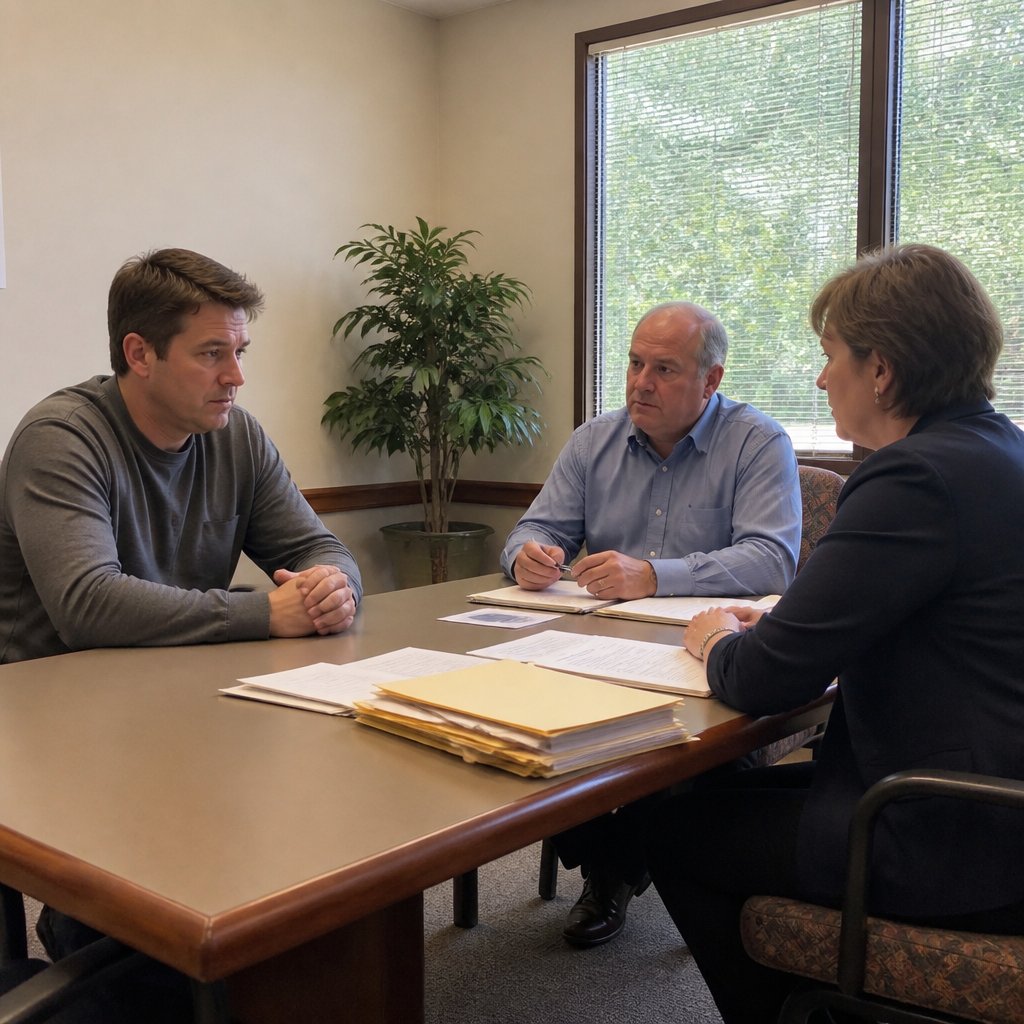
When I went to file the second claim, the Lottery office wasn’t congratulatory. Instead, someone mentioned a “review” process, and they told me, though not directly, to hold off on cashing any tickets.
The room smelled faintly of old carpet and paper files, and the air felt heavy. No one spoke about celebrations. I could feel the tension behind their smiles. It was like I had stepped into a different world where winning wasn’t just good news.
That indirect warning made my stomach twist. What exactly were they reviewing? And why was I suddenly caught up in it?
Unannounced Visitors At The Warehouse
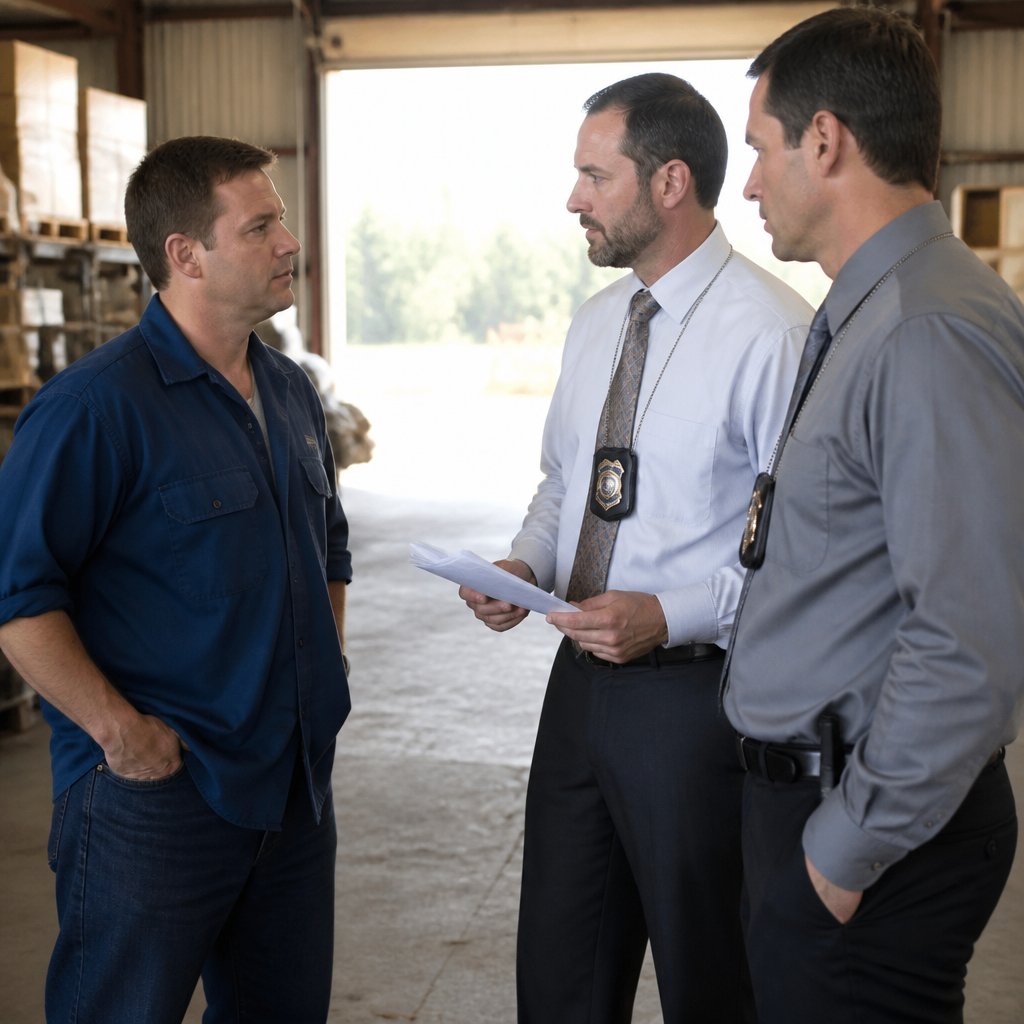
Two days later, I was at my warehouse when two men showed up without warning. One was an Illinois Lottery investigator, the other a state police detective. Both wore plain clothes but had badges clipped to their belts.
The air smelled of motor oil and dust. They demanded to see my timecards and asked about my phone. Then they pitched a strange question: had I ever worked at that Speedway?
I answered honestly, but the look exchanged between the two made me uneasy. Their presence felt less like a visit and more like an interrogation.
The Term That Changed Everything

During the questioning, one of the investigators used a phrase that stuck with me—"terminal manipulation." It was a term I’d never heard before, but their serious tone made it clear this wasn’t good.
The warehouse smelled faintly of engine grease, and outside I could hear trucks hauling freight. I realized they were not sure whether I was just a lucky winner or involved in some kind of scheme.
That moment sank in deeper than anything else—was I being suspected of something criminal without knowing it?
Rumors Spread Online Fast

Soon my name popped up in a local Facebook group. Strangers began messaging my ex, calling me “dirty” and claiming the Lottery would claw back all the winnings.
The air was heavy with tension when I saw the messages. My hands trembled as I read the accusations. The quiet hum of my living room’s ceiling fan was the only noise breaking the silence.
How had my personal life become public, and why were people already assuming the worst?
The Bank Calls With Bad News

Then my bank called. They said the first check was suddenly under a "possible fraud review" linked to a state inquiry. At the same time, the Lottery froze my second payout.
The faint smell of paper and coffee lingered in my kitchen as I sat at the table, phone pressed to my ear. My stomach churned as I tried to understand what was happening.
How could it suddenly turn from a dream come true to a nightmare where every dollar was on hold?
A Clerk Number That Didn’t Match
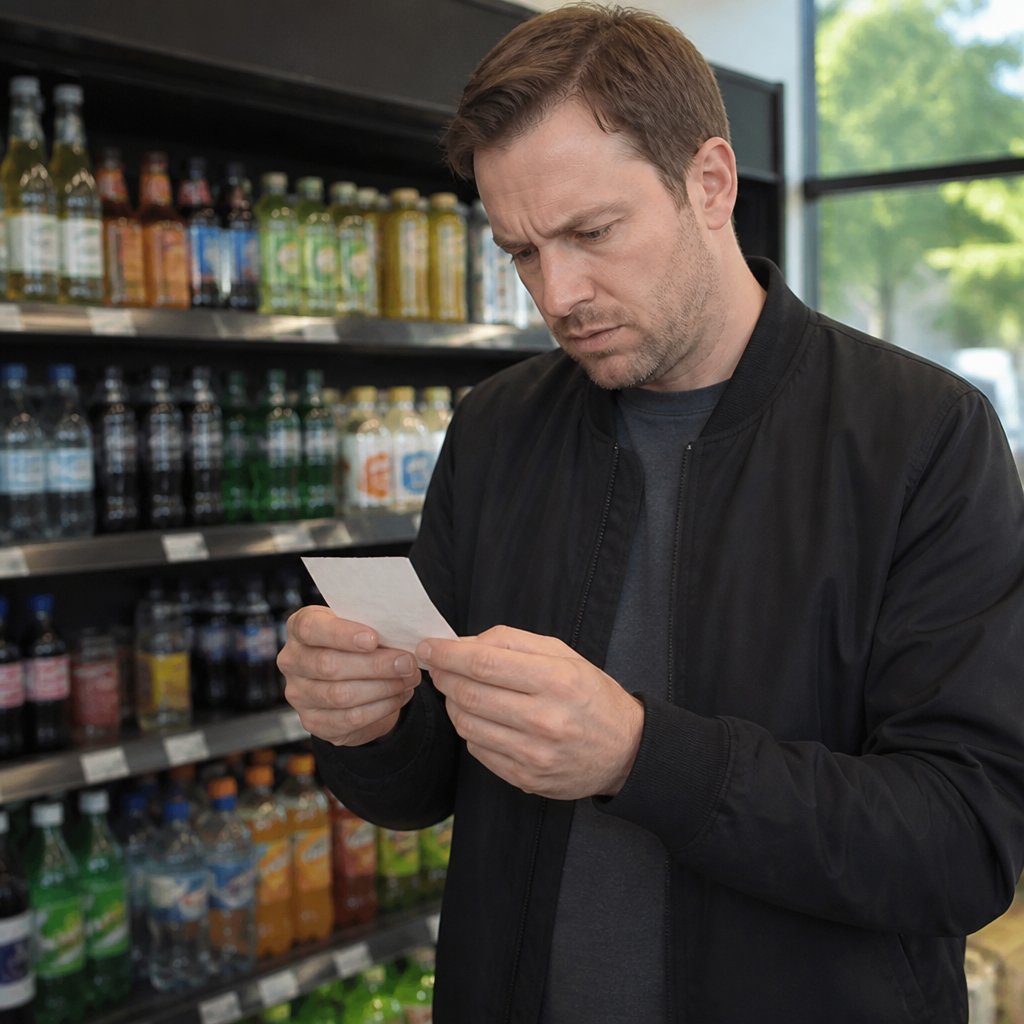
Going through my receipts, I noticed something odd. The second ticket’s clerk number didn’t match the woman who had handed it to me at Speedway. The paper felt flimsy in my hand as I stared at the numbers, trying to make sense of it.
The store was quiet when I bought the ticket, the faint smell of cleaning solution in the air, but now everything seemed off. How could the clerk number be wrong? Was it a simple mistake or something more?
I had no idea what it meant, but I knew it was a clue that couldn’t be ignored.
Terminal Was ‘Replaced Recently’
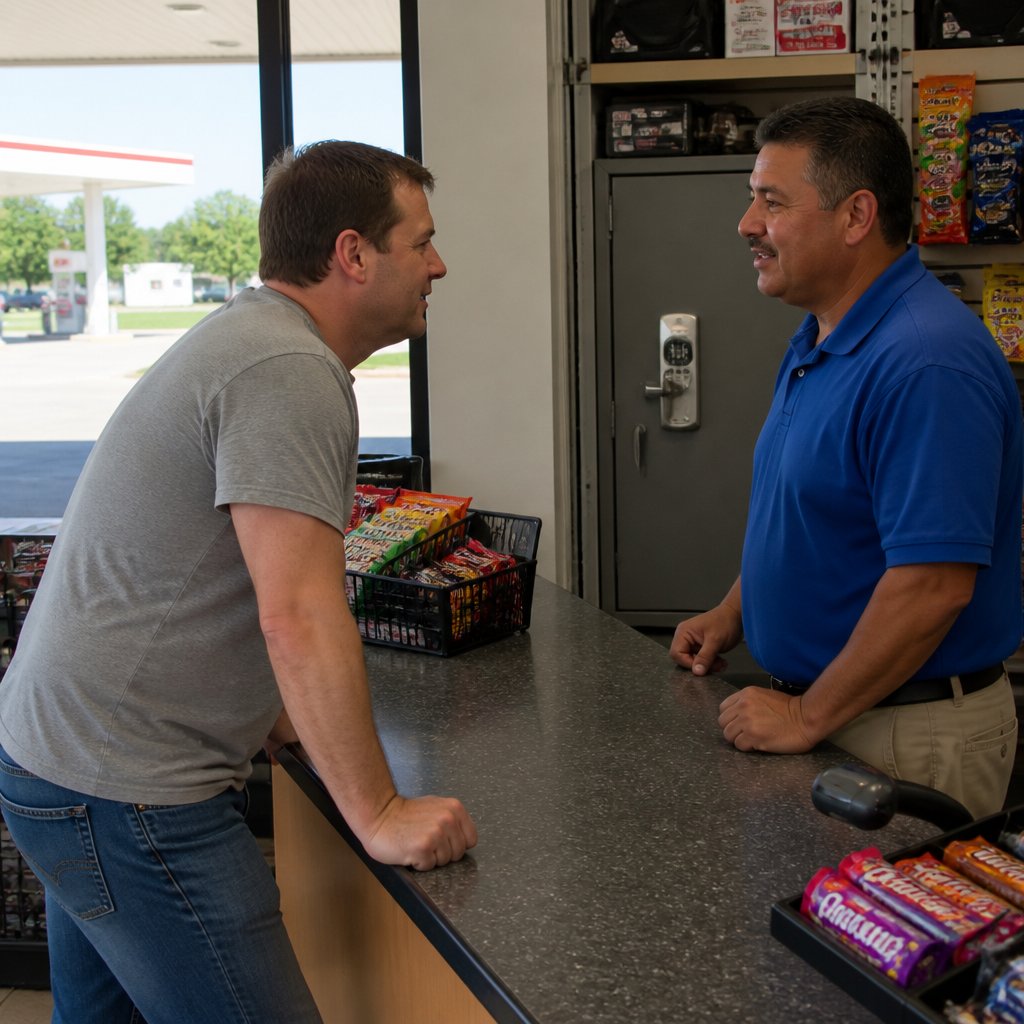
I went back to the Speedway on Larkin Avenue that same afternoon. The place smelled faintly of gasoline mixed with the sharp tang of cleaning solvent. I was looking for answers—why the clerk number on my ticket didn’t add up. The manager was a tall man in his fifties, wearing a blue polo shirt and khakis, leaning against the counter with arms crossed.
When I asked about the terminal logs for the day I bought my winning ticket, he said the terminal had been replaced recently. Then he flat out refused to print any logs or share any data. His face was neutral but there was something stiff in the way he glanced around the store. The clerk who sold me the ticket was nowhere to be found, and the manager’s unwillingness felt like a wall.
His words didn’t sit right with me. If the terminal was replaced, how would they explain the winning ticket I held in my hand? And why lock it up in the safe so fast? I left the Speedway with a bad taste in my mouth, the faint sound of the store’s automatic doors clicking shut behind me.
There was something they were hiding—something they didn’t want me to see. But what exactly was it?
The Clock Said He Was Inside

The next day, my sister came through with a lead. She’s always been the detail person, so when she pulled the warehouse’s payroll punch times, I was all ears. The second winning ticket—the one causing all the trouble—was printed eleven minutes before my shift ended. The numbers were clear on the report, but that didn’t add up with the security footage.
We sat in her cramped kitchen, a coffee mug warm in my hand, as she replayed the warehouse cameras. There I was on film, inside the warehouse, moving boxes and scanning items well past the time the ticket was printed. The timestamp on the video was undeniable.
So how could my ticket have been printed at Speedway if I was inside the warehouse, on camera? My heart started pounding. This wasn’t a clerical error. Something else was going on, and they’d somehow used my name or ID to cover it up.
The quiet hum of the refrigerator was the only sound as we stared at the screen. It was clear: someone had to be lying about when that ticket was printed. But who—and why?
The Suspected Play Unveiled

Finally, the Lottery investigators sat me down in a small, cramped office with peeling paint and a flickering fluorescent light overhead. They explained the play they suspected: store staff printing winning tickets after jackpots using old clerk IDs, then trying to match those tickets to regular customers’ spending habits. The idea was to claim the money later without raising suspicion.
One of the agents, a woman in her 30s wearing a black blazer and jeans, slid a folder across the table. I could smell stale coffee mixed with the faint scent of paper. They said this pattern had popped up along the I-80 corridor, and my second ticket was caught in the middle of it.
As they went over the details, everything started to click into place—the mismatched clerk IDs, the time discrepancies. I felt a cold knot in my stomach. If the store staff were playing this game, then my supposed win wasn’t really mine.
But if that was the case, then what about the first jackpot? Was that clean, or just part of the same scheme?
Proving Where I Was

The investigators told me the first win seemed clean, but the second ticket was now solid evidence in a broader investigation. They wanted me to hand over my phone’s location history and my Speedway rewards account to prove I was actually at the store when the ticket was printed.
I sat in my living room wearing a navy sweatshirt, gripping a glass of water as they laid out the choice. The room smelled of faint cologne and warm carpet. I thought about the implications—giving up personal data to prove my innocence, or risking being branded an accomplice.
Eventually, I agreed. They needed proof, and this was the only way to show I had been there when I said I was. It was a small step, but it felt like stepping into a trap.
As I prepared to share the data, my phone buzzed in my pocket. The caller ID showed a blocked number. My hand froze. Who was calling me now?
Tires Slashed Overnight
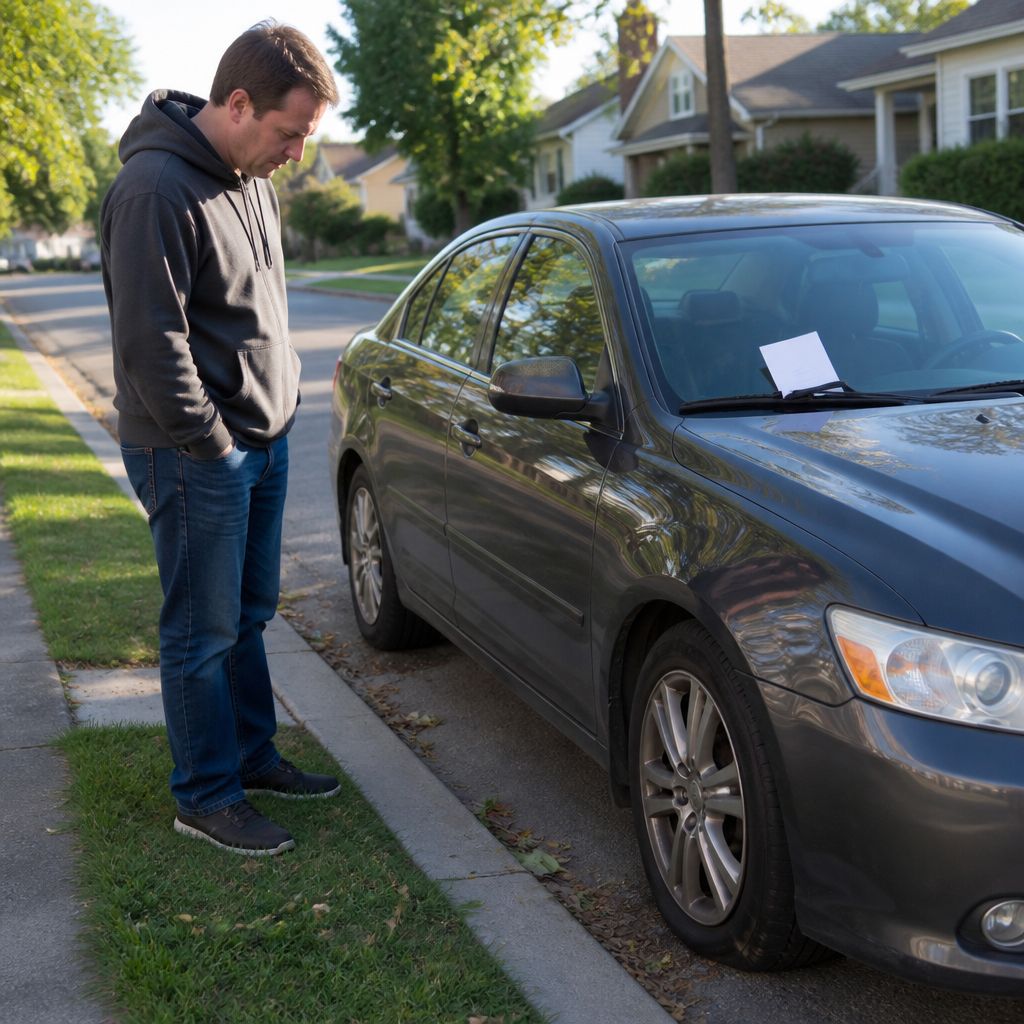
The next morning, I stepped outside my apartment wearing a dark grey hoodie and jeans. The damp morning air hung heavy with the smell of wet asphalt. My breath caught in my throat when I saw my car—two tires slashed. A typed note was stuck under the windshield wiper. I unfolded it carefully, the paper crackling in my fingers. It read, in block letters, KEEP YOUR MOUTH SHUT.
Fear settled in my chest like a stone. The threats were no longer just phone calls. Someone wanted me to stop cooperating with the Lottery investigation, and they wanted to make sure I understood the stakes.
I looked around the quiet street. No one was there, only the distant hum of a garbage truck down the road. My phone buzzed again—a call from the same blocked number. My heart was racing, but I didn’t answer.
What did they want if threats and violence were part of their tactics? And how far were they willing to go to keep me silent?
The Interview Room Question
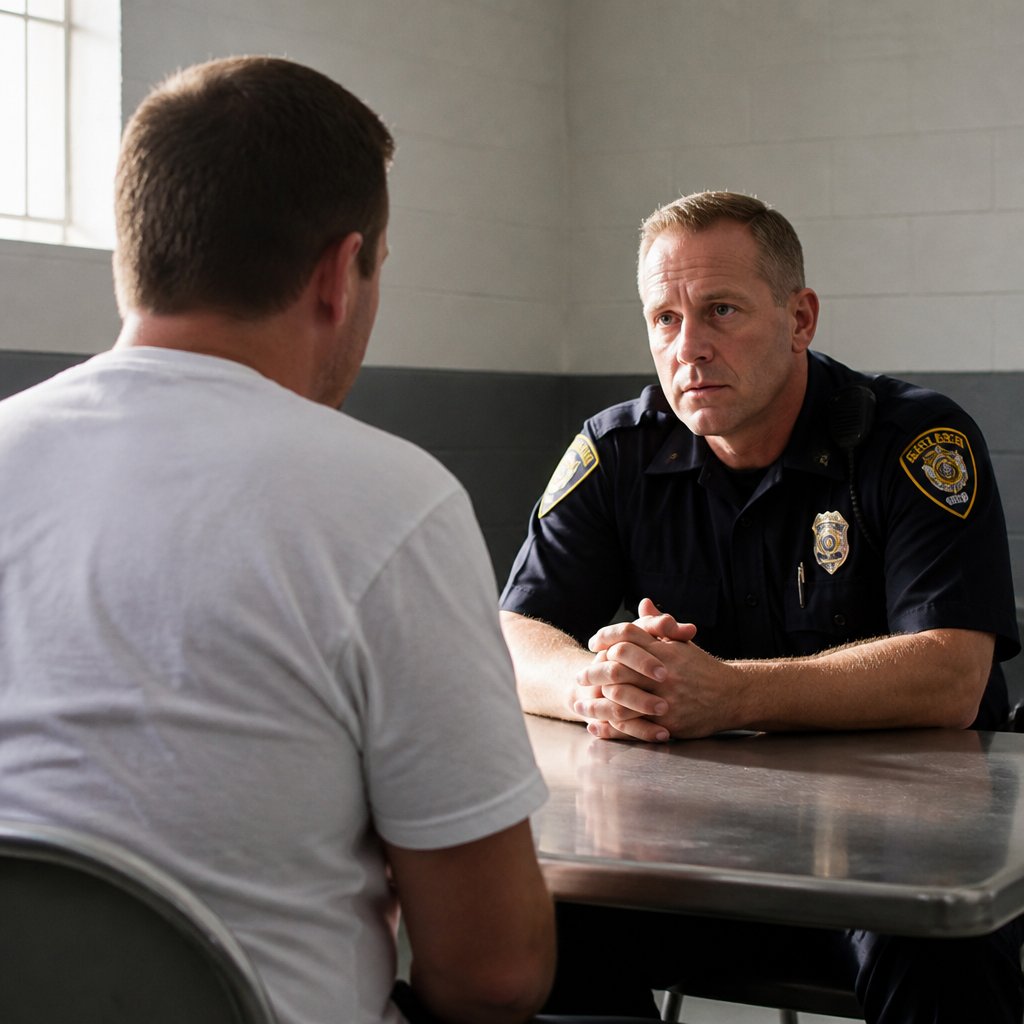
The city police station interview room was cold and bare, with a single metal table and two chairs. I sat there in a plain white shirt and navy trousers, the steady ticking of a clock the only sound. A state police officer asked me bluntly if I had shared any of the jackpot money with anyone at Speedway.
I looked him in the eye. The question hung in the air heavier than the room’s fluorescent light. If I lied, I risked losing everything. If I told the truth, they might still decide I was a partner in the scheme, not a victim.
The officer’s expression didn’t change as I hesitated. Outside the room, muffled voices echoed. It was clear they were trying to build a case—and I was right in the middle of it.
Was I going to be seen as a winner or a suspect?
Footage Revealed A Pattern

Weeks later, Lottery tech experts showed me back-office security footage from Speedway. The video was grainy but clear enough to see a night supervisor logging in with a manager's credentials after closing, printing bursts of tickets, and then voiding several transactions to cover it up.
In the footage, a man in a dark jacket moved quickly behind the counter. The timestamp flickered in the lower corner. What shocked me was that my receipt’s clerk ID matched the pattern of those voided tickets. The time the ticket was printed might not have been when I actually bought it.
I sat in a small conference room, wearing a black sweater, shaking my head as the technicians rewound the tape again. The smell of stale air and electronic equipment filled the room. The reality was sinking in: my ‘purchase’ could have been fabricated.
If that was true, how could I prove the truth of my wins?
A Choice That Changed Everything

The Lottery gave me a stark choice: surrender the claim on the second jackpot and cooperate fully, or fight the charges in court while criminal accusations flew. I wore a wrinkled blue button-up shirt, sitting stiffly in a sterile government office smelling faintly of disinfectant and paper.
This was the moment I realized winning twice might cost me everything—the money, my reputation, even my freedom. There was no middle ground. If I fought, the case could drag on for months, maybe years, with no guarantee.
After hours of silence and weighing the risk, I signed the documents. The second claim was gone. But was this the end of it, or just the start of something worse?
The phone rang just after I left the office. This time, the caller ID wasn’t blocked.
The Question That Haunts Me
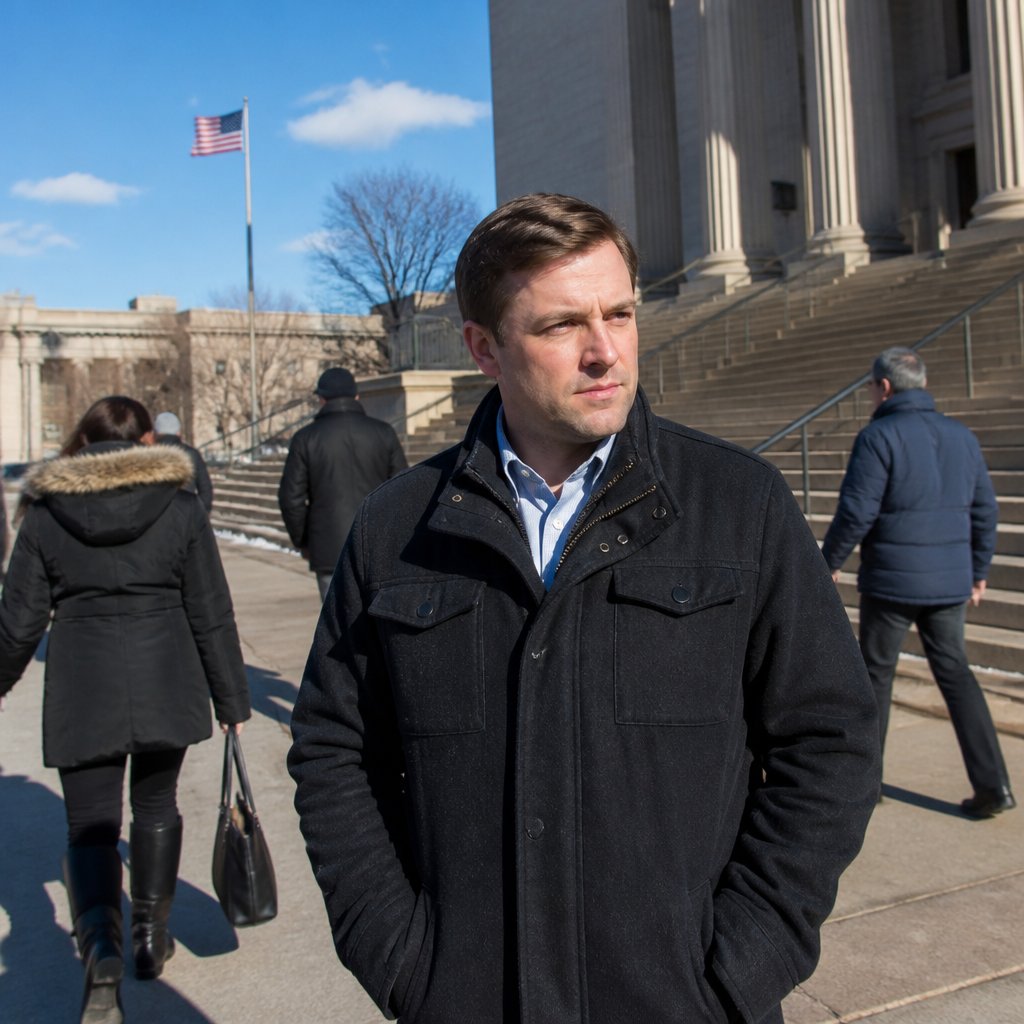
Months later, in Joliet, arrests were unfolding, and the Lottery’s investigation was making headlines. I kept the first jackpot but had signed away the second in the settlement. I stood outside a courthouse wearing a dark jacket, the cold wind tugging at my collar and the distant sound of sirens blending with murmurs from the crowd.
Even with the arrests, one question kept gnawing at me: if luck can be manufactured, how do you ever prove what you truly earned? The answer wasn’t clear, and it felt like the shadow of doubt would follow me forever.
The pavement under my feet was cracked and worn, mirroring the uncertainty I felt inside. I thought about the ticket in my pocket and the strange, tangled path it had taken.
But there was one last piece of the puzzle I hadn’t found. What was it?
Would you trust the lottery after hitting two jackpots?