



Sorting Grandpa's Tacoma Basement
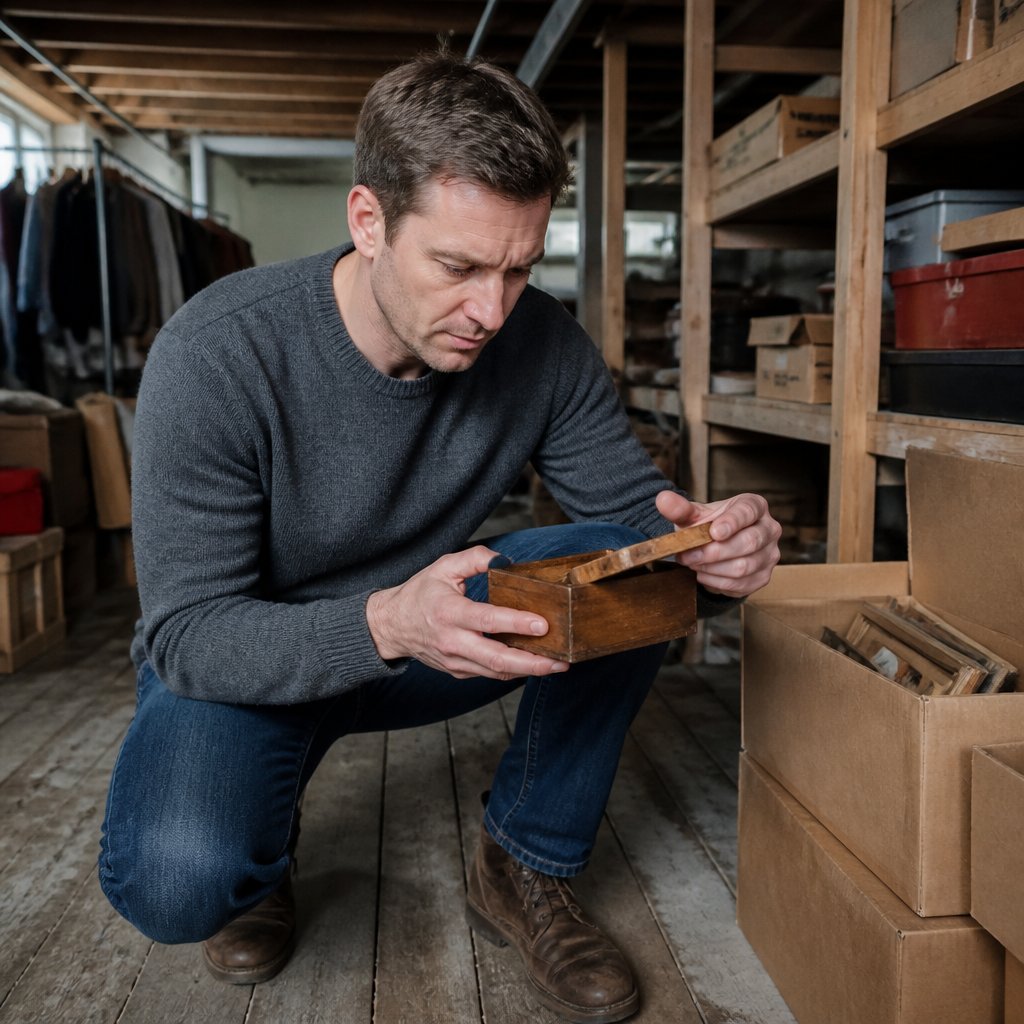
After the funeral, I found myself alone in Grandpa Frank’s basement in Tacoma. The place smelled faintly of damp wood and old paint. I was going through dusty boxes labeled with years and vague notes, trying to find keepsakes to put in a shadow box. No one else in the family seemed interested in sorting through the clutter; maybe they just wanted to remember him without digging too deep.
Most of the items were ordinary—old photographs, worn-out hats, a cracked watch. But I was the only one who carefully lifted each piece, turning it over, inspecting the inscriptions. I wanted to understand the man behind these relics, not just the stories we’d always heard.
That’s when I noticed an unassuming cigar box shoved beneath a pile of newspapers. Something inside made me hesitate before opening it—like there might be more than just trinkets hidden there.
Medals Grandpa Never Mentioned
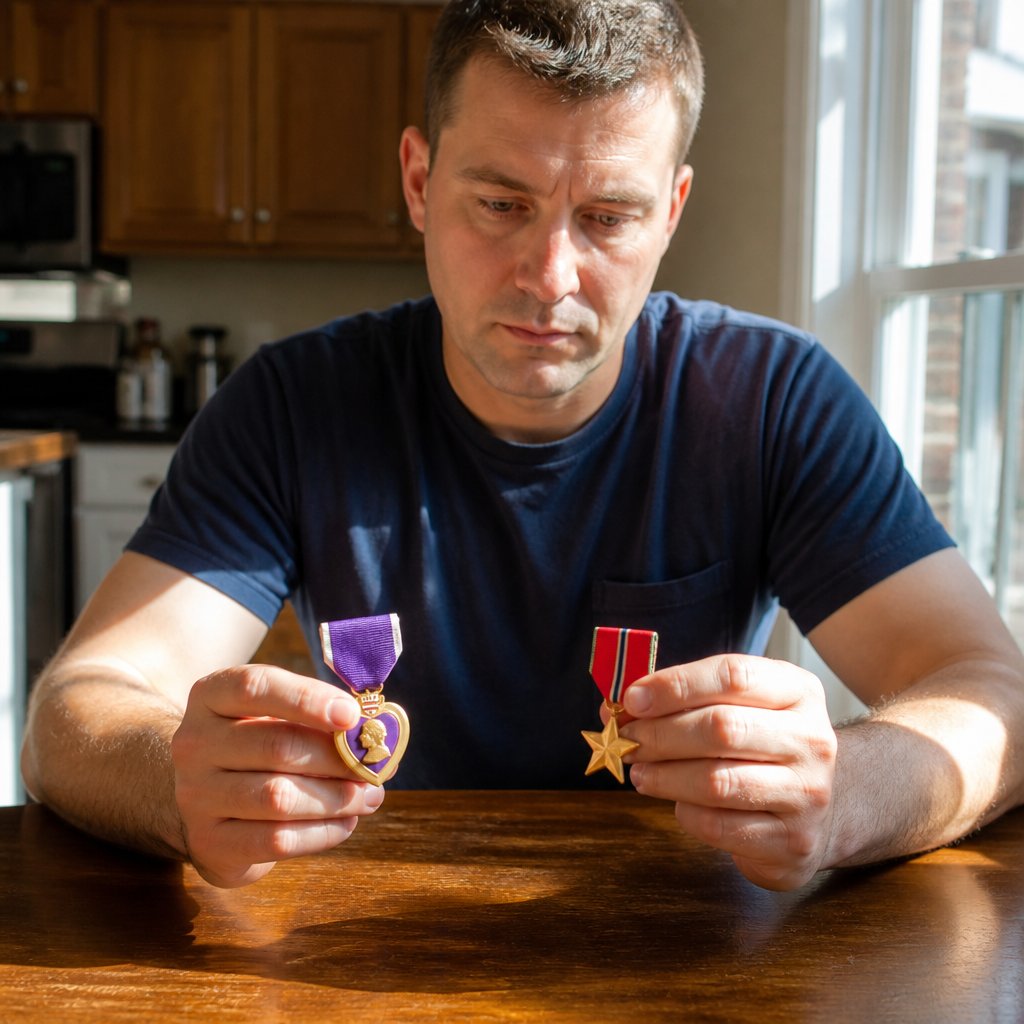
The cigar box was full of medals tucked into faded velvet lining. There was a Purple Heart, a Bronze Star ribbon, and a Combat Infantry Badge—every one of them military honors I’d never heard Grandpa Frank mention. He was a quiet man who always downplayed his service, so seeing these felt like discovering a hidden chapter.
The metal felt cool and slightly tarnished in my hands. Each medal bore a pin on the back but no names. The Purple Heart had a deep red enamel that caught the light and left a faint metallic smell in the air. I kept looking for clues—dates, inscriptions, anything.
Why would he keep these medals a secret? And why were they here, shoved into a cigar box among other random keepsakes?
A Dog Tag That Wasn’t His
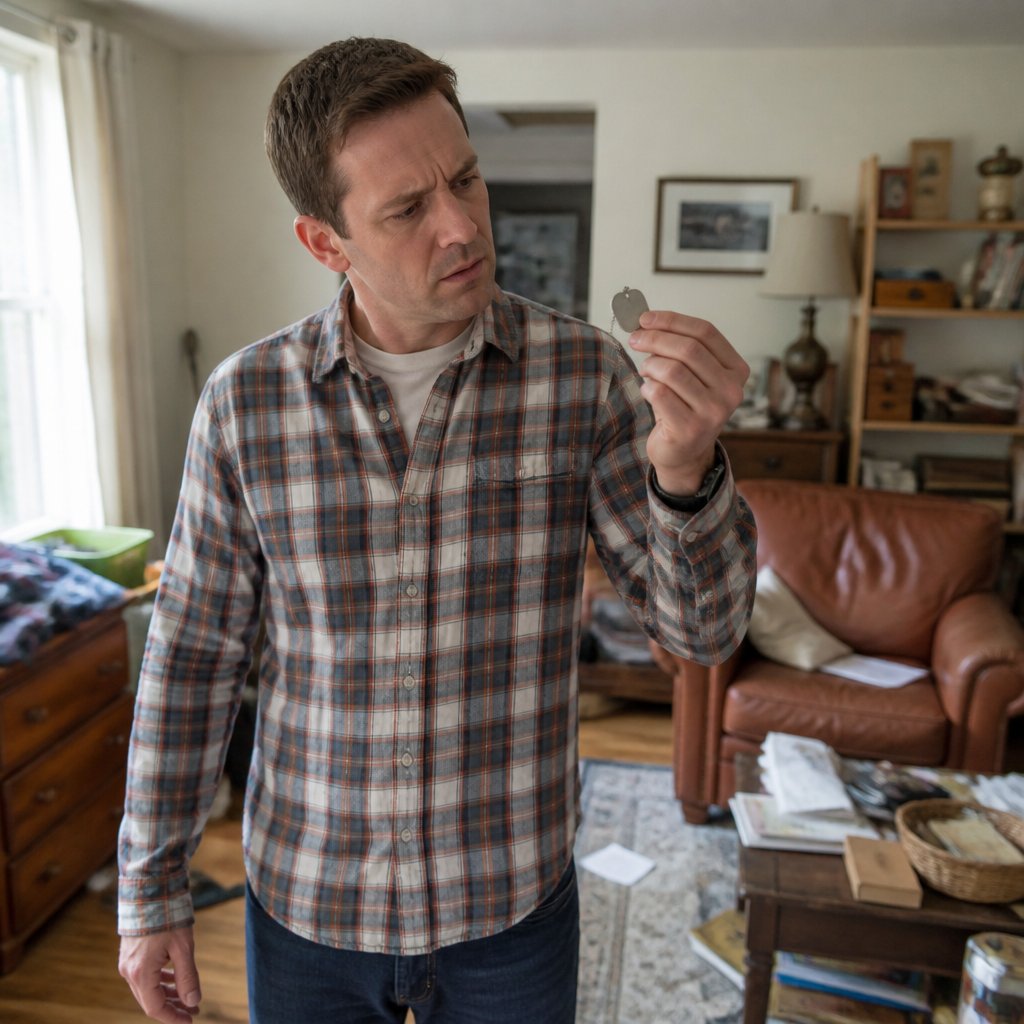
As I lifted the medals, a dog tag slipped out from underneath them. The metal was cold and worn, the edges rounded from years of use. The stamped letters read: "T/5 J. A. CROWLEY 20738419 O POS T-45." The name wasn’t Frank’s. I flipped it over and felt the rough indentations of the letters.
I ran the name over in my head—"Crowley." No relation I knew. I checked Frank’s full name on his ID—definitely not a Crowley. How did this tag end up in his box? The weight of metal in my palm suddenly felt heavier, as if the tag carried a story waiting to be uncovered.
Was this some kind of mix-up? Or did Grandpa Frank keep something secret about this other man?
Initials Hidden On The Purple Heart
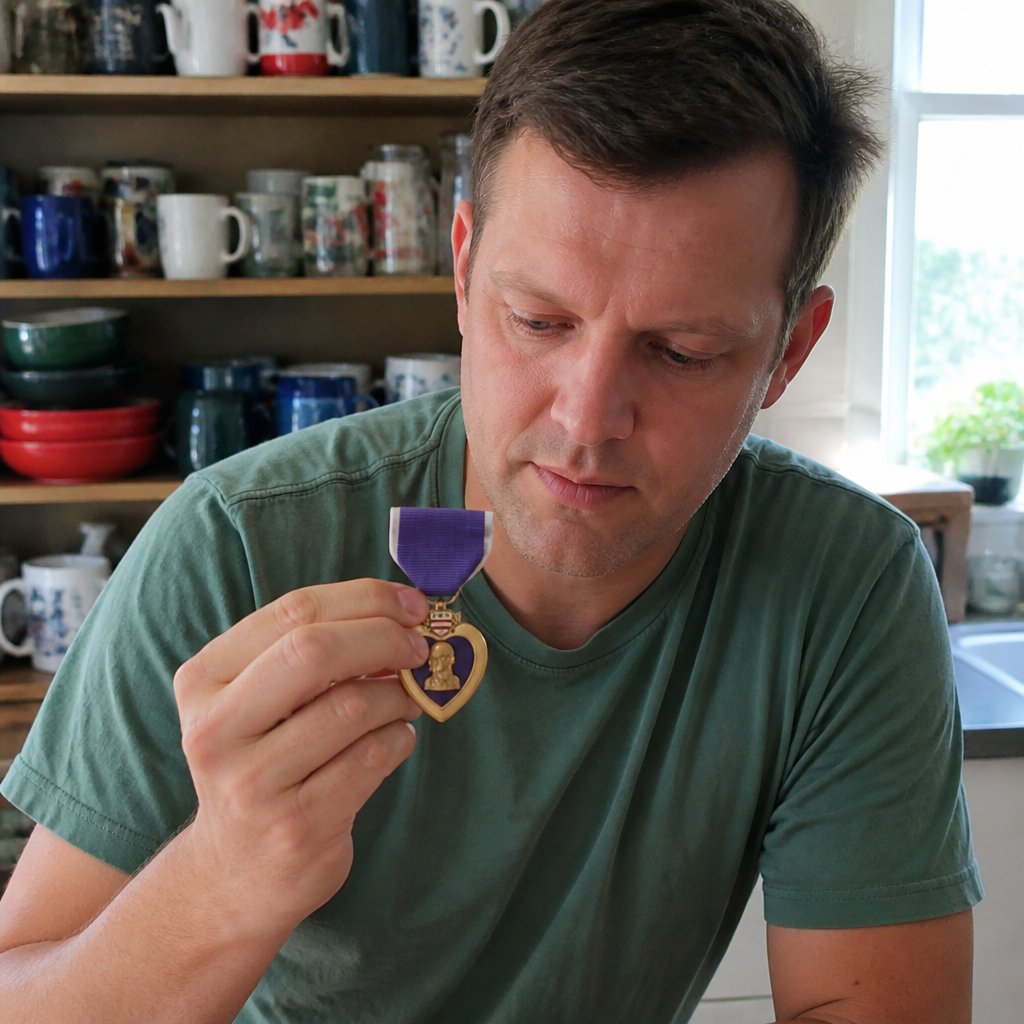
I turned the Purple Heart over, feeling the cool metal beneath my fingertips. In tiny block letters along the edge, almost worn away, were the initials "J.A.C." They matched the dog tag’s name—J.A. Crowley. The medal must have belonged to the same unknown soldier.
I traced the letters gently, the rivets catching faint reflections from the single bulb overhead. This wasn’t a coincidence. Somehow, Frank was connected to this Crowley—and it was hidden right here in plain sight.
How did Grandpa Frank come to possess a medal with another man’s initials? It felt like a puzzle with missing pieces.
Frank’s Thin DD-214 Document

I ordered Grandpa Frank’s DD-214 from the county recorder’s office, expecting to find confirmation of his military awards and units. When the packet arrived, I noticed it was surprisingly thin—just a single page with neat typewritten lines.
The document listed his service dates but had a peculiar gap on the organization line, almost like something had been scribbled out and overwritten. No wounds were recorded, no Purple Heart or Bronze Star noted. It didn’t match the medals in that cigar box.
I ran my fingers over the paper’s slightly rough texture, wondering what had been erased or hidden. Why would the official record contradict what I held in my hand?
No Record For Crowley’s Service Number

I filled out a request form online to check the National Archives for the service record tied to Crowley’s serial number. Days later, the response arrived by mail. The letter said no record existed for that number—marked as "insufficient or non-existent."
It was like the man named J.A. Crowley had never served at all. The paper felt crisp but cold in my hands. I stared at the empty file number line, wondering if this was a clerical error or something more deliberate.
How could a soldier with medals and a dog tag not have any official records in the archives?
Forum Confirms Serial Number Format

I posted the serial number on a veterans’ forum, hoping for answers. Several users responded quickly, saying the "T/5" prefix and number format matched those assigned at Oregon and Washington induction stations in 1941–42. The tags looked legitimate.
The sound of typing and clicking filled my quiet study as I read through the replies. Veterans shared stories and technical details, confirming the number's plausibility. Yet, despite that, the Archives still had no records. It didn’t add up.
If the format was real and the tag genuine, why wouldn’t official records exist?
Grandma’s Warning About Crowley

I called my grandmother and asked if she ever heard the name "Crowley." Her face went flat, the usual kindness replaced by something tight and wary. She said only, "Don’t dig. Frank didn’t want it dug."
The faint scent of lavender soap lingered as she spoke, her voice low and steady. I could tell she recognized the name, but wouldn’t say why. Her warning hung in the air, heavy and unexplained.
What was she hiding? And what did Frank really want buried forever?
A Mysterious Folder In The Attic
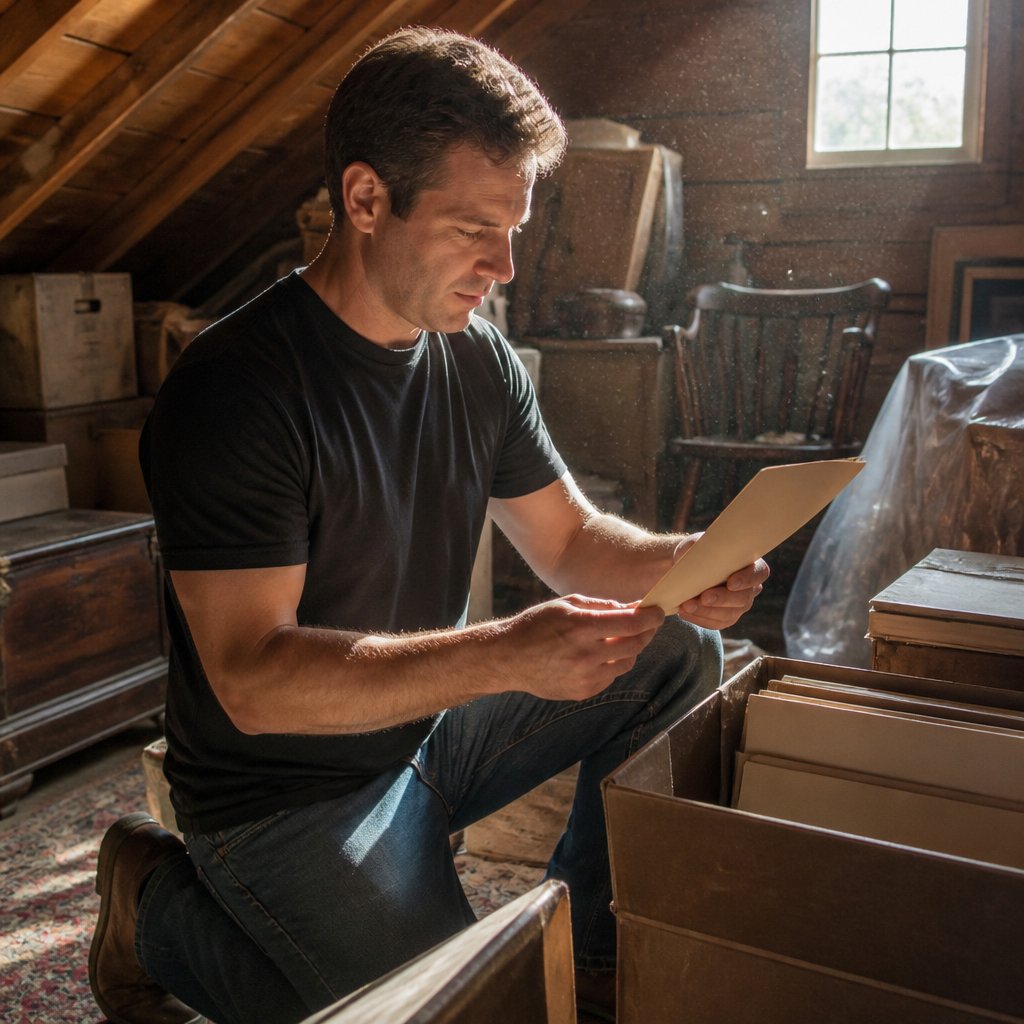
Up in the attic, I found a neatly folded Pendleton blanket and beneath it, a manila folder with "PORTLAND — 1942" written in Frank’s handwriting on the tab. The folder felt thick and heavy, the paper slightly rough to touch.
The attic smelled of old cedar and dust. I hesitated a moment before peeling back the top sheets inside. Whatever was hidden here, Grandpa Frank had taken care to wrap it up and keep it out of sight.
What secrets were sealed inside this folder, and why had he hidden it away in the attic?
Scratched-Out Faces And Torn Papers
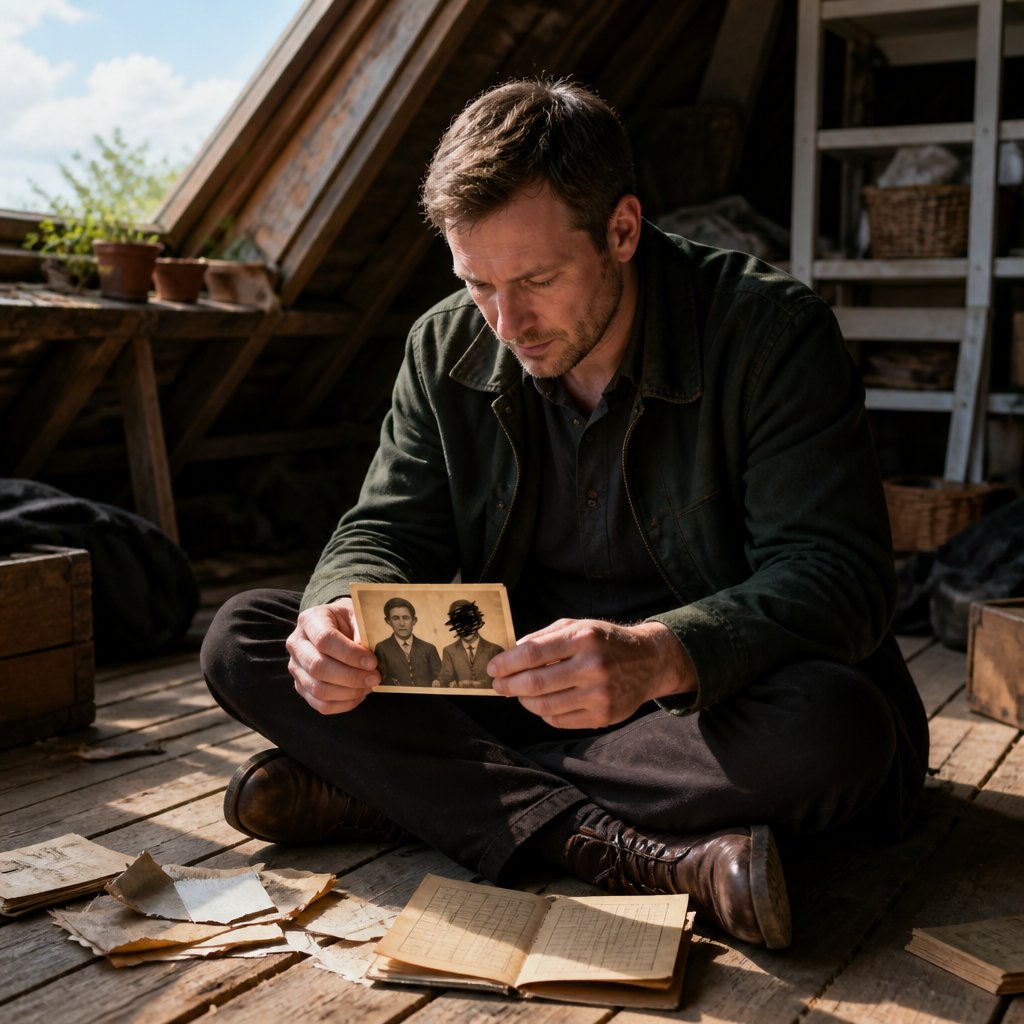
Inside the folder were several items: a sepia photograph of four soldiers standing in uniform, one face carefully scratched out; a Western Union telegram with the recipient line torn away; and an old ration book with the name page cut out.
The edges of the photo were curled, and the telegram’s paper crackled when I unfolded it. The ration book smelled faintly of smoke and age. Each piece seemed deliberately altered, as if someone wanted to erase parts of the story.
Who had erased that face? And what was in the telegram that someone didn’t want me to see?
The Telegram Was Cut Off
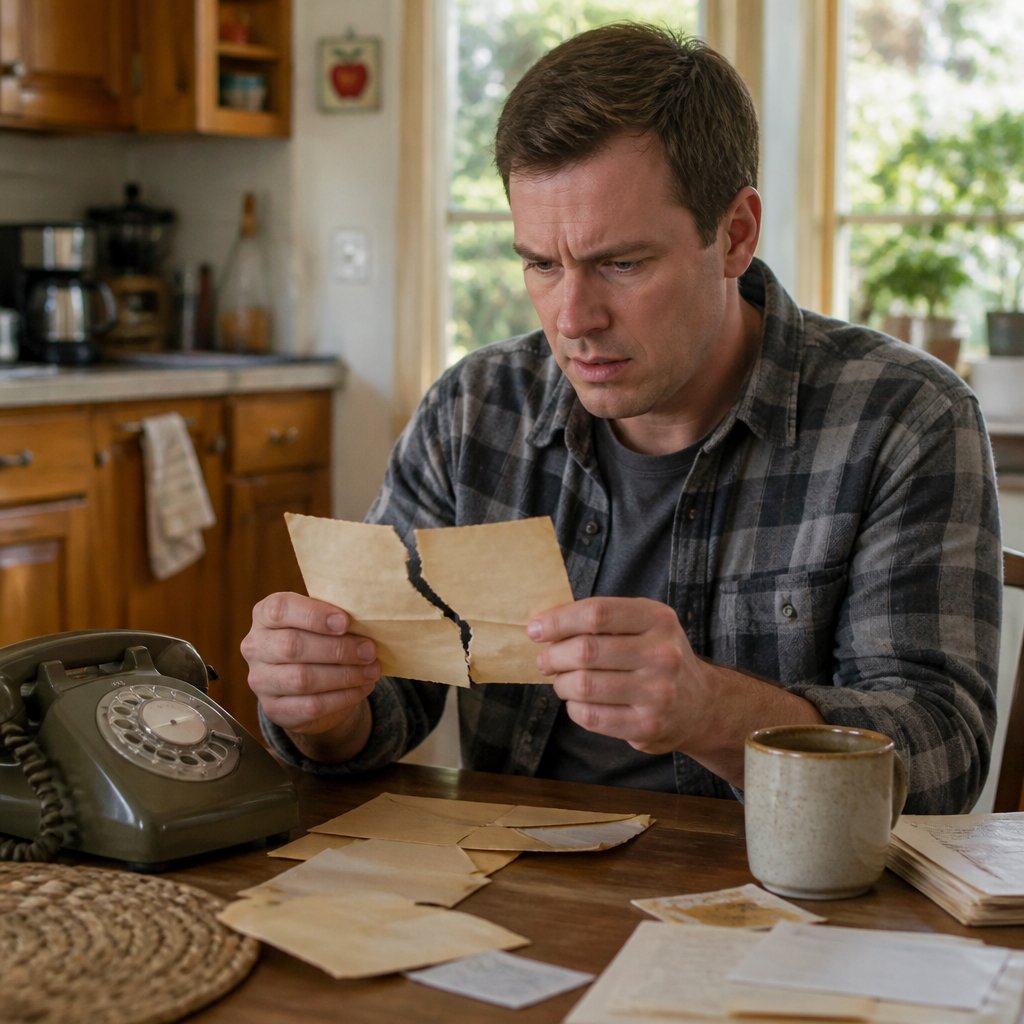
The small piece of yellowed paper was brittle in my hands, the corners curling as I unfolded the telegram again. It was dated June 1944, typewritten in stiff uppercase letters starting with: “REGRET TO INFORM YOU…” but then the rest was missing. The telegram had obviously been torn or cut, and the jagged edge was rough against my fingertips. I tried to imagine who the intended recipient was—some relative, a commanding officer? The sender’s information was gone too. Was this telegram meant for my grandmother, or someone else connected to the man whose medals I held? The weight of the missing message pressed on me as I wondered why anyone would want only half the news preserved, half hidden. The old kitchen table was cold with the metal lamination beneath the thin wood veneer, but I barely noticed. Who was supposed to receive a death notice that never arrived intact?
Faint Sign Points Downtown
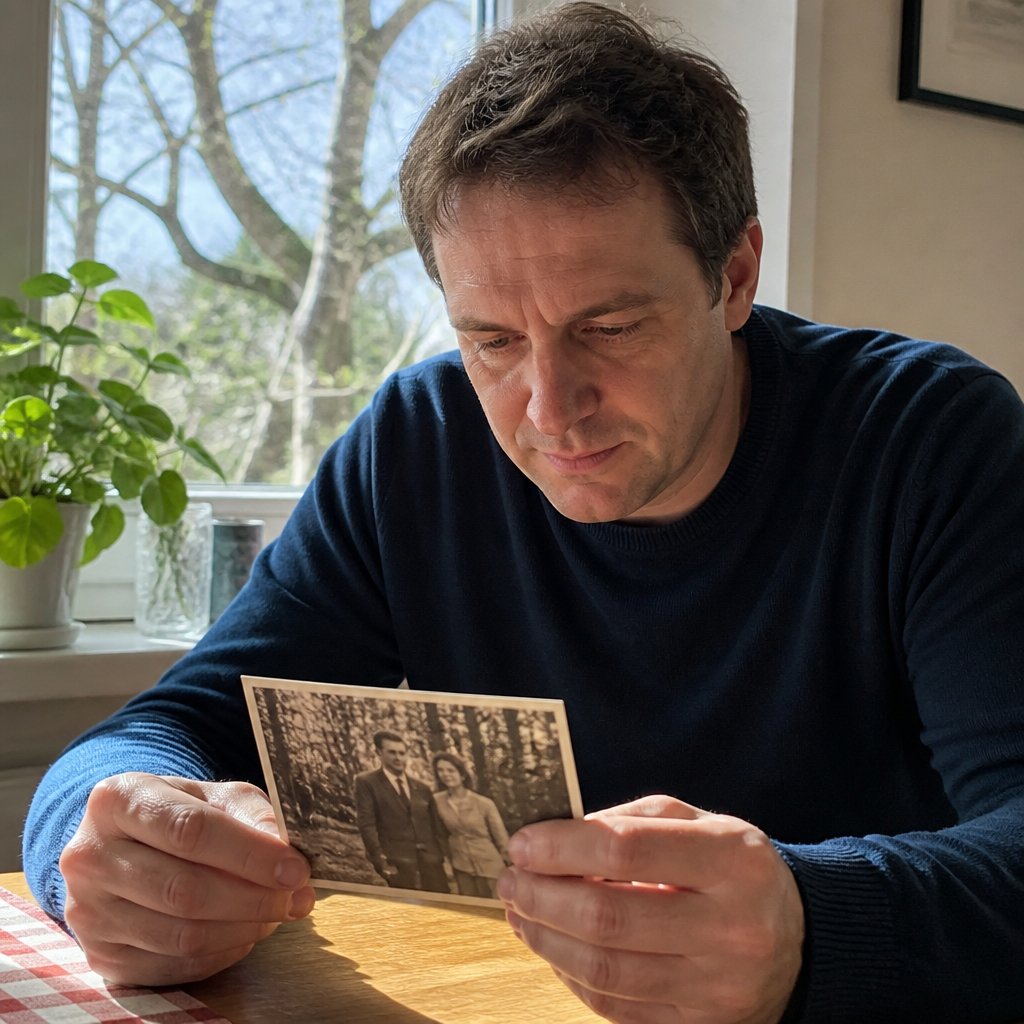
I spread the black-and-white photo across the dining room table and squinted at the faint writing along the bottom edge. The words were barely visible, but the letters "USO — SW 6TH" caught my eye. It had to be a reference to the USO center on Southwest Sixth Avenue in downtown Portland. My grandfather’s history didn’t mention Portland, let alone the USO. The photo felt grainy under my fingertips as I ran them lightly over the surface. I wondered why Frank’s trail would lead to that city spot, so far from any battlefield. Was this where the man in the photo sought refuge or connection? The room smelled faintly of old paper and dust. I needed to know more about that address and what it meant to him.
A Tiny Note On Microfilm
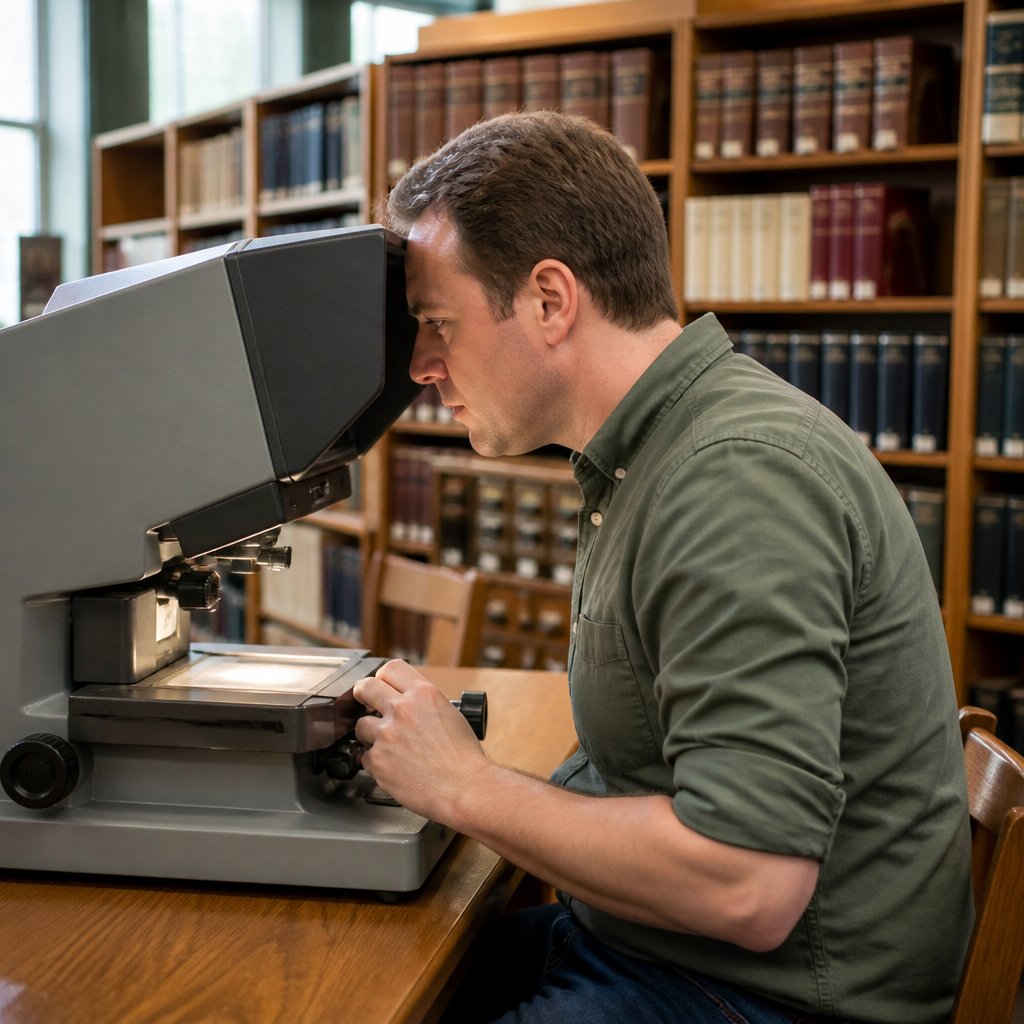
At the Multnomah County Library’s microfilm reader, I adjusted the magnification until a tiny news item from June 1944 filled the screen. The type was dense and small, but one line stood out: an Army Technician Fifth Grade (T/5) injured in a stateside training accident. The report said the soldier’s identity was withheld pending investigation. I pressed my finger to the glass, feeling the cool smoothness as I scrolled through the film frame by frame. The report was brief, almost a footnote, yet it hinted at a secret buried in plain sight. Who was this soldier? Was it the same man in the photo, or someone else connected to Frank’s medals? The library smelled of old books and polished wood, and a distant clock ticked steadily as I considered the implications.
A Patch Recognized In Tacoma
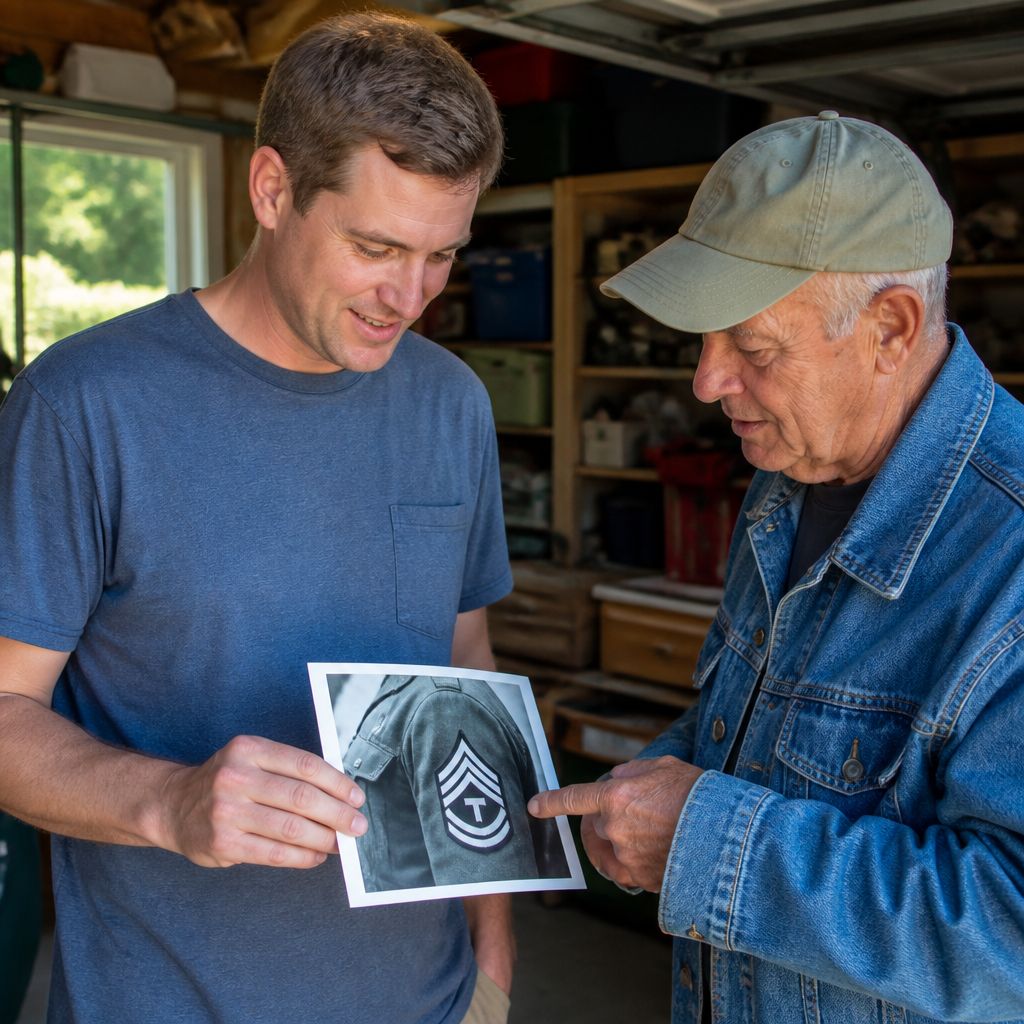
Driving to Tacoma, I met up with a retired VFW member named Harold, who had a weathered face and steady hands. He flipped through my photo and pointed to the patch on the soldier’s uniform. "That’s an engineer battalion patch, shipped out from Camp Adair, Oregon," he said, voice low and sure. Harold wore a faded denim jacket and a baseball cap with a frayed brim. His garage smelled faintly of motor oil and old tools. The connection suddenly felt more real—Frank wasn’t just a name; he was tied to a specific unit and mission, maybe even a pipeline project I’d never heard about. Why Camp Adair? What was the significance of this engineer battalion? Harold’s eyes narrowed, and I felt like I was on the edge of a long-buried secret.
Roster Name Crossed Out
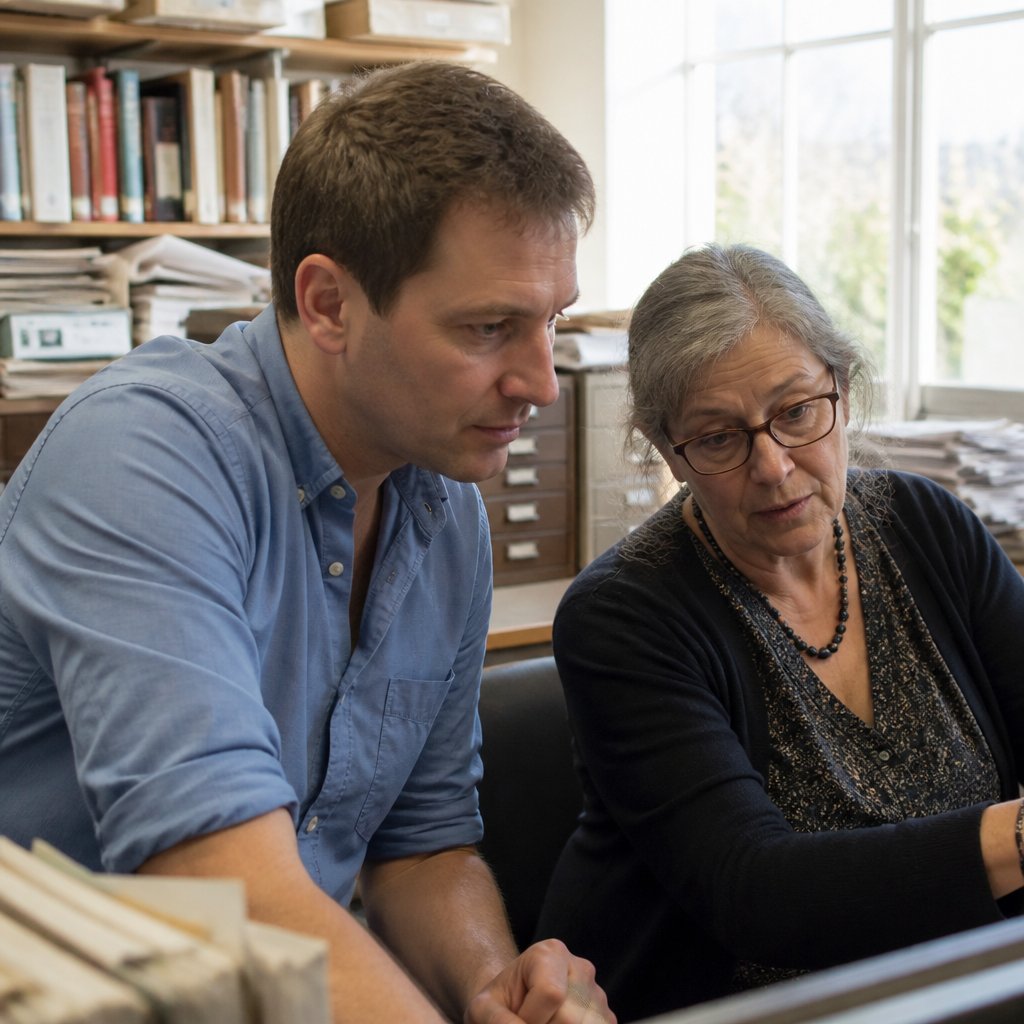
I arrived at the small museum at Camp Adair, greeted by a volunteer archivist, a woman in her mid-50s with short gray hair and glasses perched on her nose. She wore a dark green cardigan and khaki pants. The smell of old wood and musty paper filled the cramped office. She typed “J. A. Crowley” into a roster database and frowned. No exact match appeared, but then she showed me a line typed then struck through: “John A. C—.” The incomplete name raised more questions. Was this a typo or a deliberate erasure? The archivist’s fingers hovered hesitantly over the keyboard as she searched deeper. The air felt thick with unspoken stories. Why would a soldier’s name be partially erased from the roster?
Blocked Number Caller
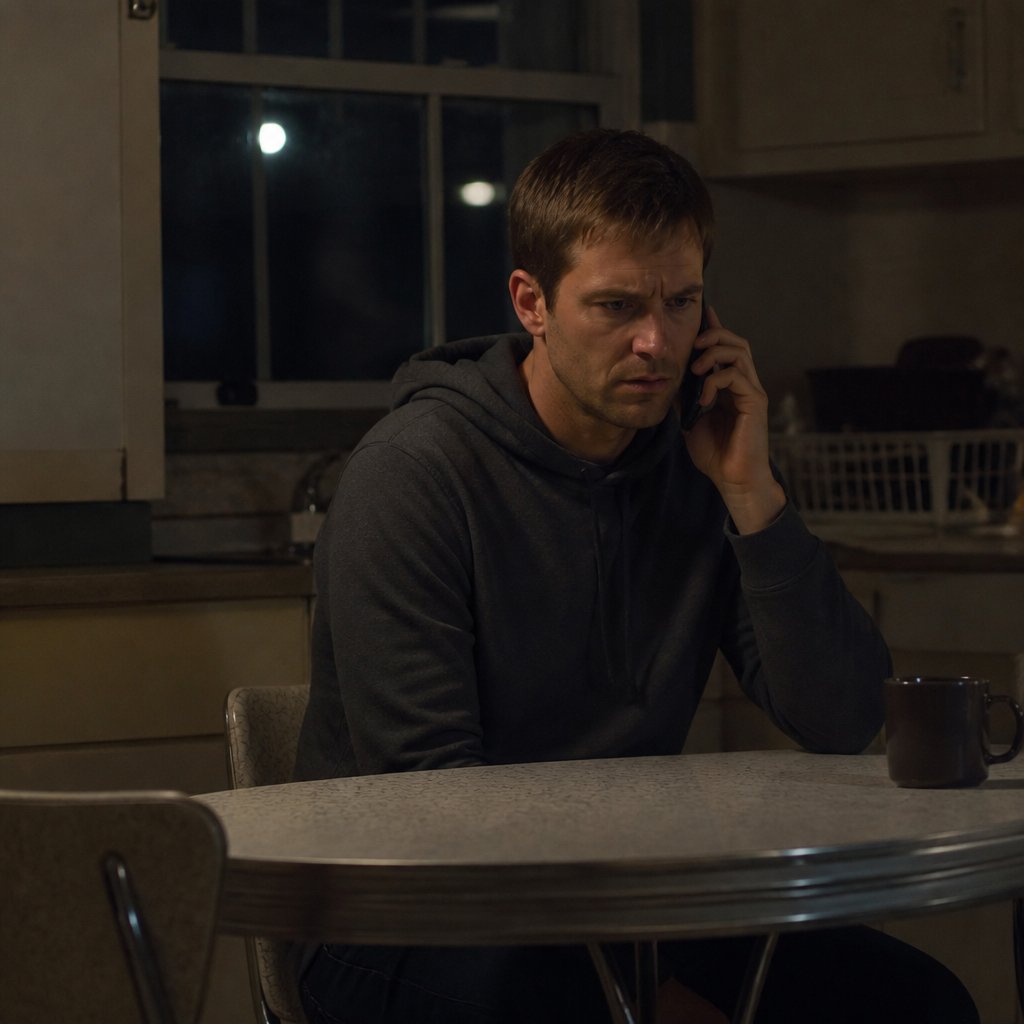
That night, just as I was about to set the medals aside, the phone rang. The display read “Blocked Number.” I hesitated, then answered. A low voice said, "Your granddad didn’t earn those. He carried them." My hand tightened around the receiver, the plastic cool and unforgiving. I stared out the window into the dark yard, wondering who was watching me and why. What did they think I was about to uncover? The line crackled, then went silent. The quiet after the call was heavier than before. Was I alone in this, or was someone else deeply invested in keeping the truth hidden?
Unusual Engraving On Medal
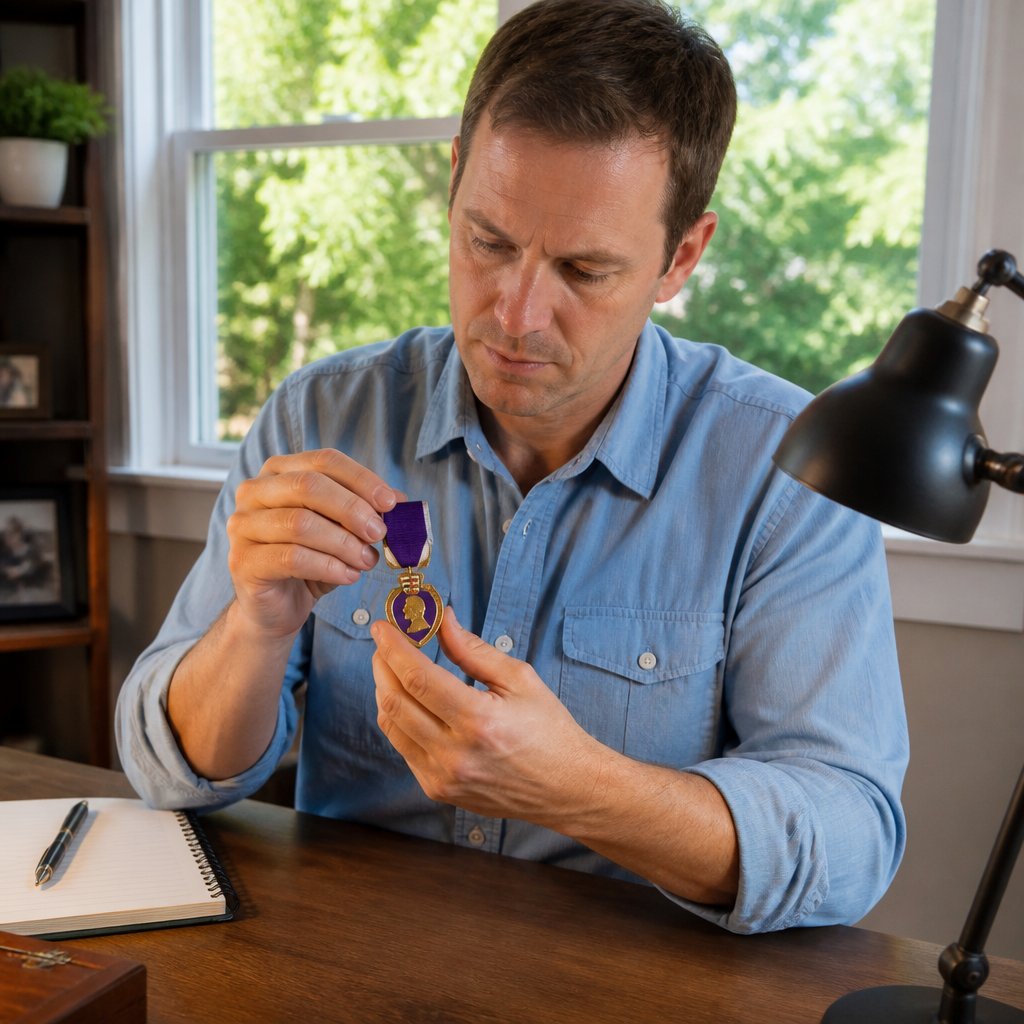
Under my desk lamp, I examined the Purple Heart closely. The engraving of the name looked unusual—less like the standard government style and more like a jeweler’s handiwork. The letters were uneven, with a softer edge, suggesting someone had privately preserved the identity rather than an official military issuance. I traced the metal’s cool surface with my finger, feeling tiny tool marks. Why would someone go to the trouble of re-engraving a medal? Was it to protect a secret, or to honor a soldier who didn’t want his name known? The quiet hum of the lamp filled the room as I held the medal steady, the question alone filling the silent space.
Dealer Confirms Medal Authenticity
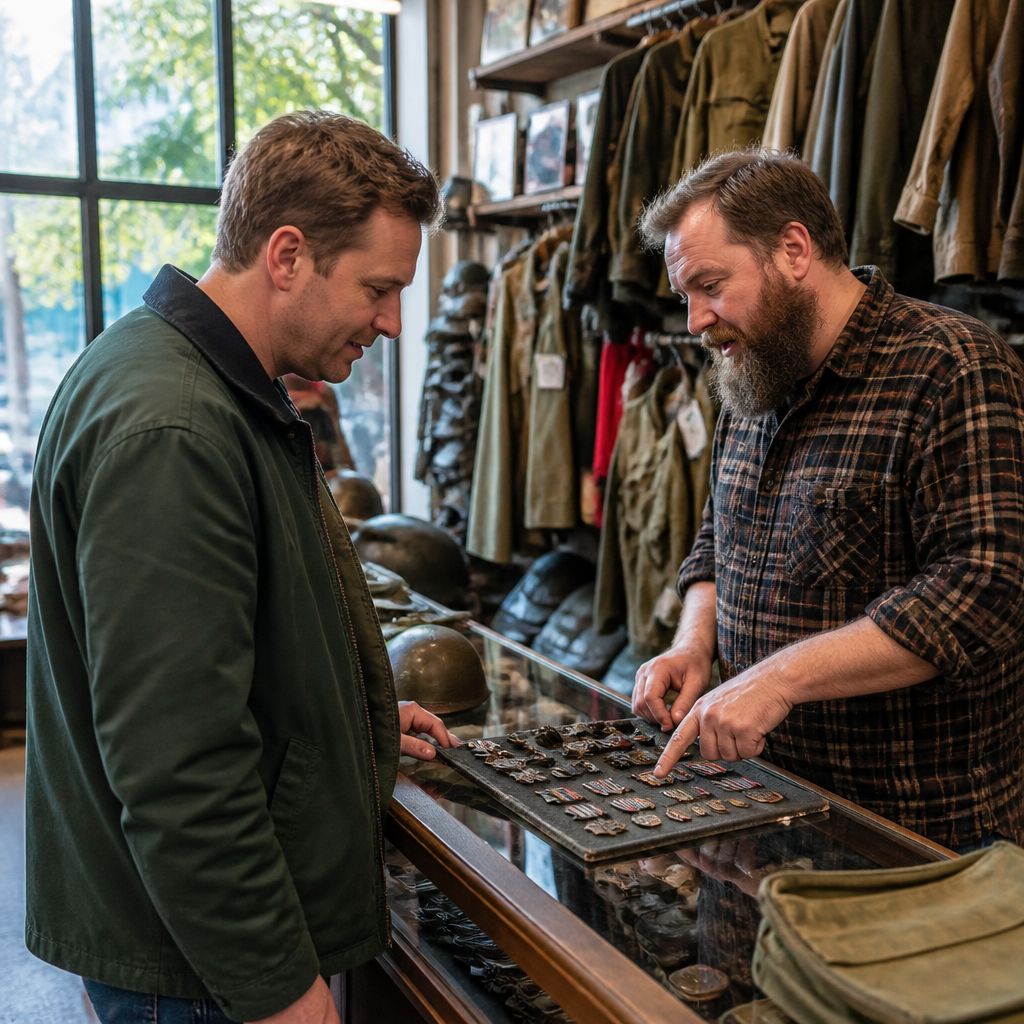
I met a militaria dealer in Olympia, a tall man with a trimmed beard and glasses. He wore a faded flannel shirt and jeans, surrounded by shelves of old uniforms and medals. He handled the medals carefully, nodding as he examined each one with a loupe. "These are authentic WWII issue," he said, "but the naming isn’t official Army style." His voice was matter-of-fact but curious. If the Army didn’t issue these medals to "Crowley," who did? The dim shop smelled of leather and metal polish as I left the dealer with more questions than answers. The medals were real—but their story was far from clear.
Crowley Vanished From Directories
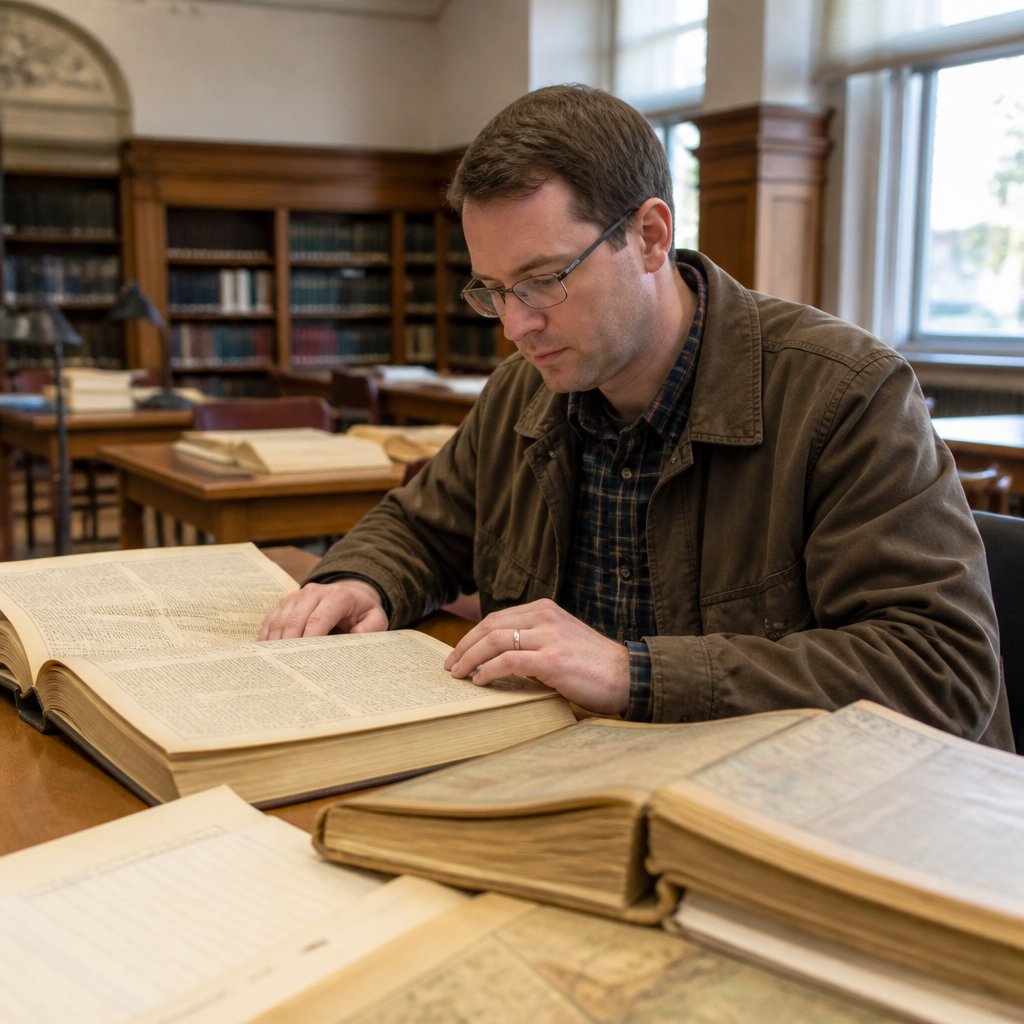
Flipping through Portland city directories from 1942, I found “John A. Crowley” listed with an address matching my grandfather’s old neighborhood. But after that year, he disappeared—no obituary, no reappearance. The pages felt thin and fragile as I turned them carefully. No draft registration under his exact name appeared either, which was strange given the war. The house at his listed address still stood, faded and quiet. What happened to Crowley after 1942? Was he hiding, or had something else erased his existence? The musty smell of the library’s archival room lingered as I closed the directory, questions swirling in my mind.
Blacked-Out Employer Line

I requested draft registration cards and received a copy for “John A. Crowley” matching the Portland address. But the employer line was blacked out with thick black ink, an official redaction. The card was smooth under my fingers, but the obscured text felt like a wall blocking me. What kind of job would be censored during wartime? The quiet hum of the office buzzed around me as I stared at the card, wondering if this was the key to understanding who Crowley really was. Was he involved in something secret or dangerous? The blacked-out words seemed to shout their silence back at me.
The House Had A Sealed Basement
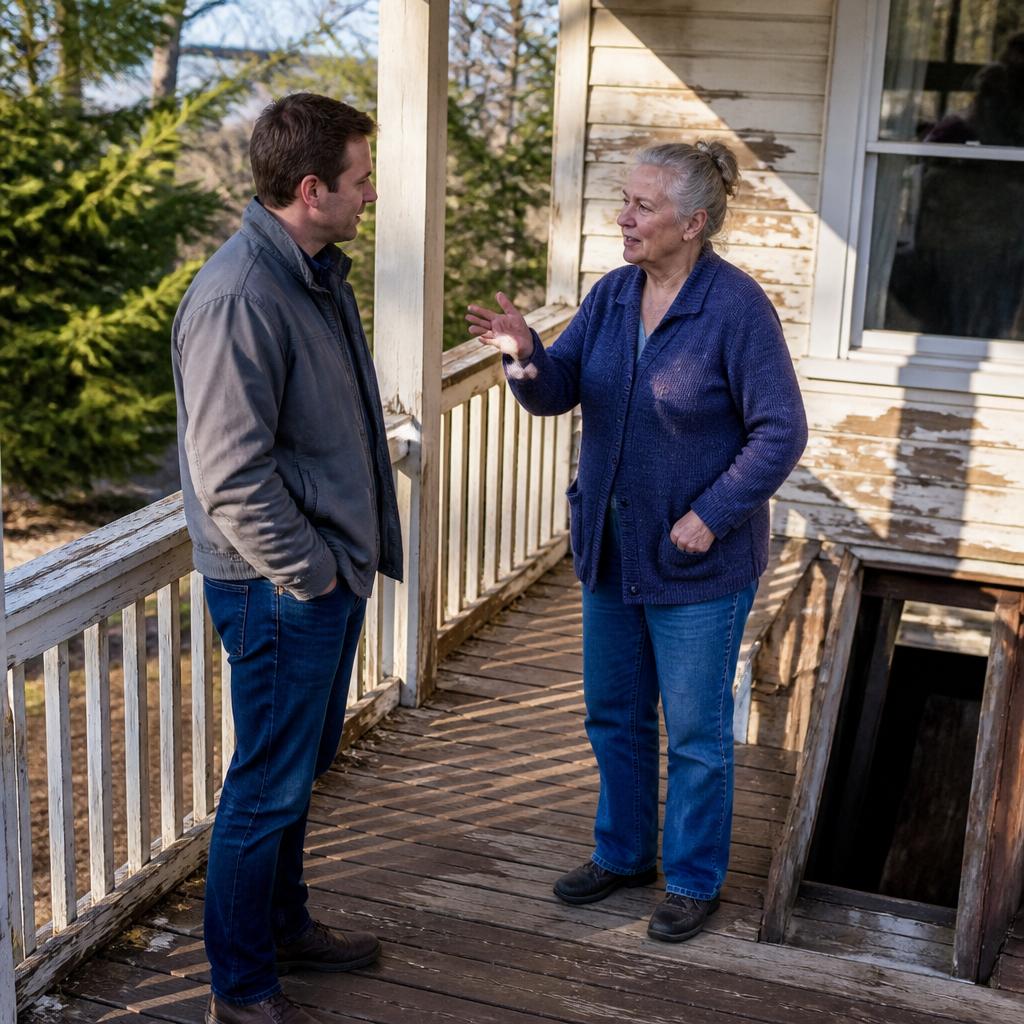
I drove to the Portland address listed on one of the documents tied to John A. Crowley. The current owner, a woman in her late sixties with graying hair pulled back in a loose bun, told me her father had bought the house in a “government sale” after the war. She wore a plain blue cardigan and jeans, standing on the porch as a faint scent of pine from nearby trees mixed with the dampness of the soil. She mentioned the basement had once been sealed off, but didn’t know why.
Questions buzzed in my head: why seal a basement? What was hidden down there? The woman’s tone was casual, but her eyes flicked to the foundation as if the house itself held a secret she wasn’t supposed to know. She led me inside, the floorboards creaking underfoot, before opening the basement door. It was damp, the smell of mold and old concrete thick and unmistakable.
The door’s lock looked newer than the rest of the house. There were signs it had been forced open at some point. Something in the basement had been deliberately kept away from prying eyes. What could have justified that level of secrecy so soon after the war?
I hesitated before stepping down the narrow stairs, the cold air wrapping around me. Then I saw it—something behind the paneling that didn’t belong there.
A Hidden Memo Behind Paneling
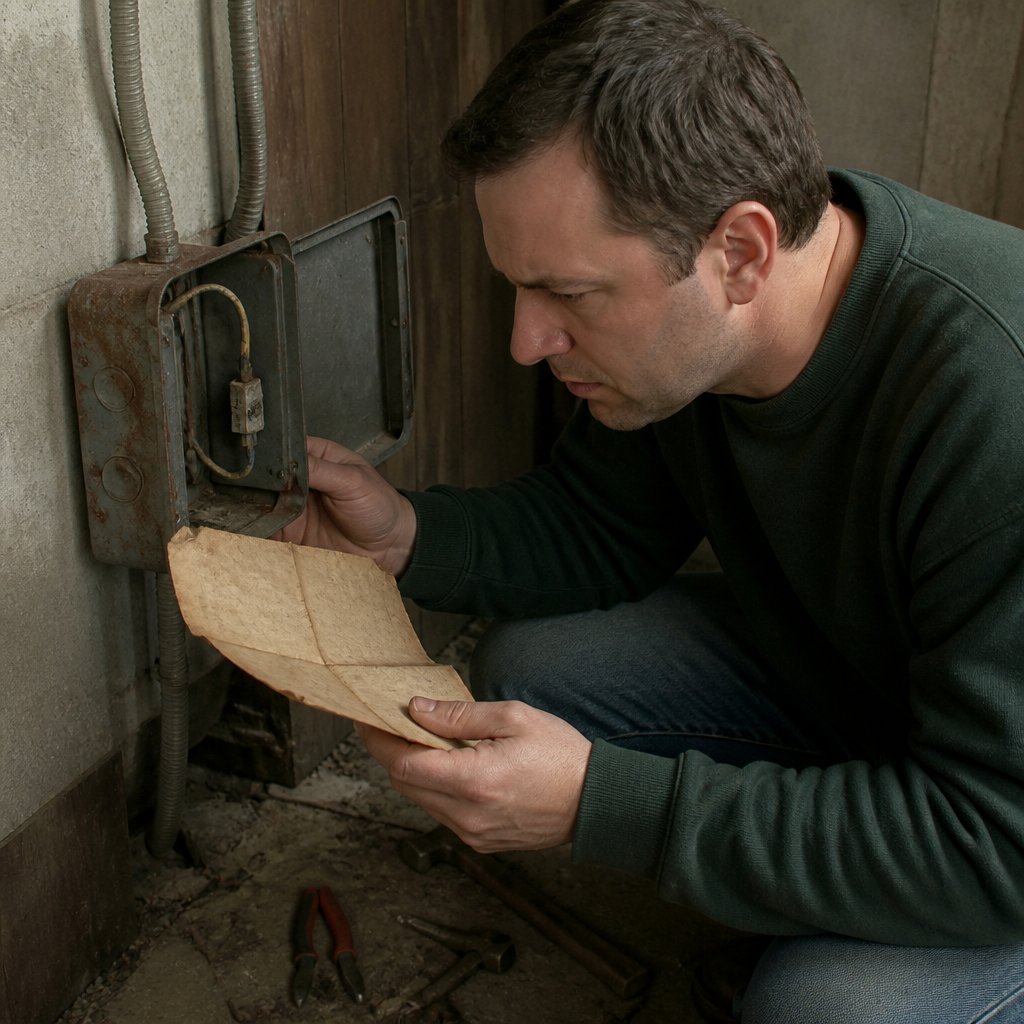
Inside the basement, the air smelled heavier, thick with dust and old wood. I ran my fingers along the wooden paneling, knocking lightly until I heard a hollow sound. Behind one panel, I found a rusty junction box secured to the wall. Curious, I pried it open, revealing a mess of tangled wires and, tucked behind them, a folded piece of yellowed paper.
Unfolding it carefully, I saw the header: an FBI field memo. The word “Portland” was clear, along with a date stamped 1944. The ink was faded, but some parts stood out. The memo was partial, torn along the edges, and the language was official but cryptic. What operation had the FBI been running here during the war? The basement’s sealed status suddenly made more sense.
The smell of old paper mixed with the dampness of the basement, grounding me in the moment. I folded the memo carefully and tucked it into my jacket pocket. This was more than a family mystery—it was a piece of history someone had tried to bury.
But what was the memo about? And why had it been hidden behind that panel for nearly 80 years?
FOIA Returns With A Denial
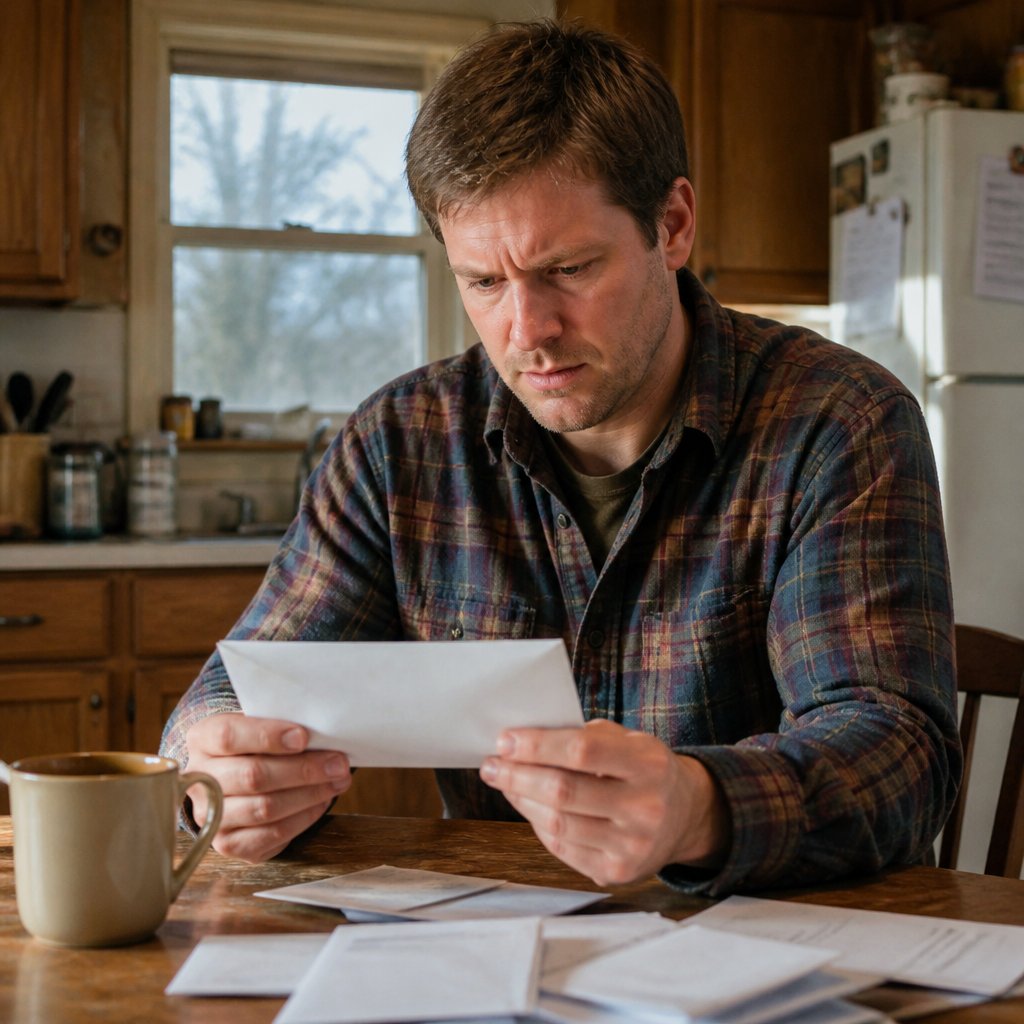
I submitted a Freedom of Information Act request, hoping the memo’s origin might be clearer in official files. Weeks later, the reply arrived, a thin envelope with a heavy stamp. I sat at my kitchen table, the rough grain of the wood cool beneath my fingers as I unfolded the letter.
The response said records existed but were withheld under national security exemptions. The language was bureaucratic, but the meaning was clear: whatever had happened wasn’t just a personal secret—it was institutional. The government wasn’t willing to let me see whatever file lay behind John A. Crowley’s censored draft card details.
My mind raced. What could be so sensitive that even decades later, the documents remained off-limits? The smell of brewed coffee filled the air, bitter and grounding me as I stared at the official letter. It felt like a locked door in a hallway I kept walking down but never could open.
I was left holding only fragments—names crossed out, cryptic notes, sealed basements, and now a federal wall of silence. What had John been involved in that carried this kind of secrecy?
Building A Dossier From Fragments
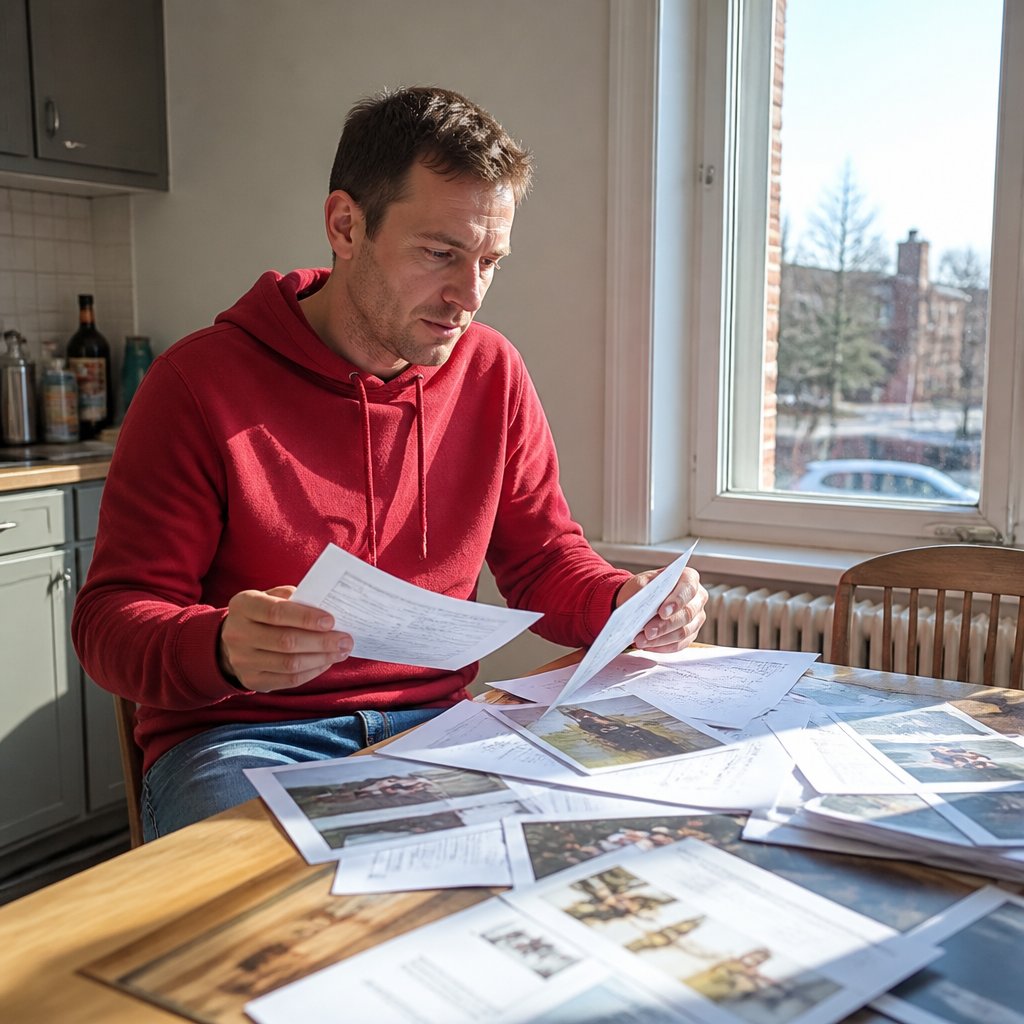
I stopped chasing sealed files and started compiling everything I had. I laid out the photos, the scratched-out face on the roster, the directories with names struck through, and the denied FOIA letter. Each piece was a clue in a puzzle that refused to come together fully.
I scanned and printed documents, then arranged them serially on my apartment’s dining table, the mundane hum of a city bus outside the window punctuating the quiet. I labeled the collection "J. A. CROWLEY — PRESENT," even though the government refused to confirm the identity behind that name.
Even now, the details didn’t add up. The dog tag’s service number didn’t match the name on official records. The censored job on the draft card, the sealed basement, the hidden FBI memo—all fragments of a story obscured by layers of silence.
As I sat back in my chair, the weight of the unexplained pressed on me. What was the truth behind John A. Crowley’s war record? And how far would I have to go to find it?
Would you have pursued uncovering Grandpa's hidden WWII secrets?